The global finance sector continues to evolve under the influence of shifting interest rates, inflation pressures, and changing investor sentiment. Financial markets across the world remain highly responsive to central bank policies, economic data, and geopolitical developments, making finance one of the most dynamic sectors in the global economy.
Central banks play a critical role in shaping financial conditions through monetary policy decisions. Interest rate adjustments directly impact borrowing costs, savings returns, and investment flows. When rates rise, lending becomes more expensive, which can slow down economic activity, while lower rates typically encourage spending and investment, stimulating growth in financial markets.
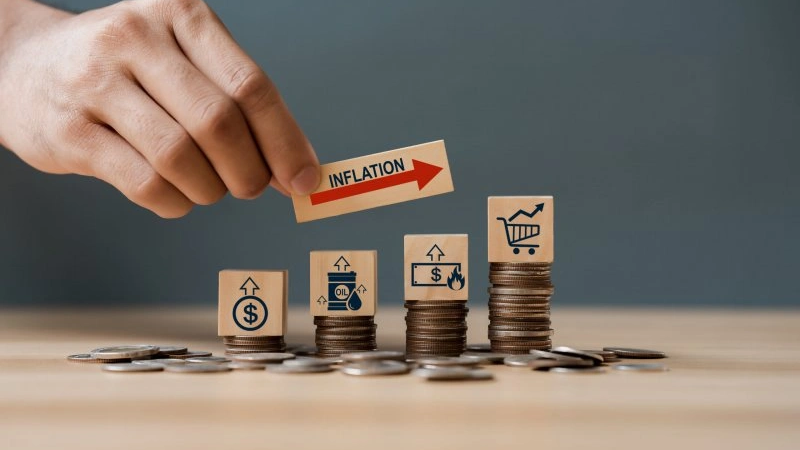
Inflation remains a key concern for financial stability, affecting both consumers and businesses. Rising prices reduce purchasing power and influence investment strategies across asset classes. Investors often adjust portfolios to hedge against inflation risks, turning to assets such as commodities, real estate, and fixed income securities depending on market conditions.
Global stock markets continue to reflect broader financial trends, with equity valuations influenced by corporate earnings, economic growth forecasts, and policy decisions. Market volatility remains a constant feature as investors respond to new data releases and global developments. Despite short term fluctuations, long term confidence in financial markets is supported by innovation and economic expansion.
Banking systems are also undergoing transformation as digital finance and fintech solutions reshape traditional models. Online banking, mobile payment systems, and automated financial services are improving efficiency and accessibility for consumers and businesses. This digital shift is increasing competition while also enhancing financial inclusion in many regions.
Foreign exchange markets remain closely linked to global finance, with currency movements reflecting differences in interest rates, inflation levels, and economic strength between countries. Investors and institutions actively monitor forex trends to manage risk and optimize international transactions.
As the global finance landscape continues to develop, adaptability and innovation remain key drivers of stability and growth. The interaction between policy decisions, technological advancement, and market behavior will continue to define the future of financial systems worldwide.