Bitcoin Miners Acquire Strategic Role in AI
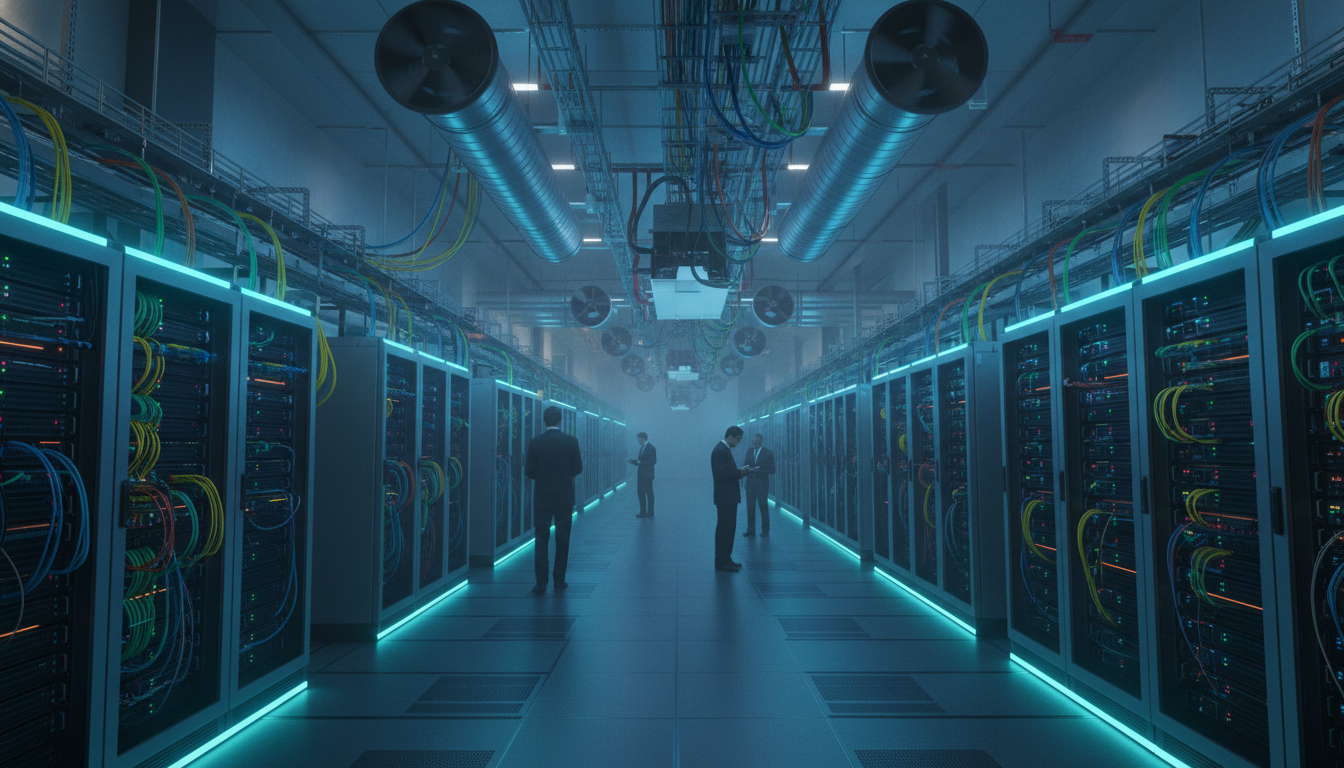
Bernstein is sharpening its view that crypto mining is now a practical part of AI buildouts, not just a parallel industry. In the middle of that shift, push bitcoin transaction to miners bittools is becoming a relevant workflow for treasury and settlement teams that still move value on chain while negotiating hosting terms. Today, the note positions Bitcoin miners as flexible operators that can shift racks, power contracts, and cooling capacity faster than many traditional hosts. Bernstein says miners are being tapped because their sites already run at industrial scale and are accustomed to uptime metrics that resemble AI service level expectations. Live negotiations are also being shaped by utilities that want responsive load and clearer demand forecasts.
27 GW of Power Under Miner Control
Bernstein estimates that miners control about 27 gigawatts of power capacity, a figure that reframes who can offer near term electricity to compute buyers. Today, that number matters because electricity constraints are increasingly dictating where AI infrastructure can be deployed and when. For readers tracking policy and compliance pressures around energy and crypto markets, CoinDesk noted the EU is re examining its rules in a consultation tied to MiCA, which can influence how operators document risk and operations at scale via EU MiCA consultation on crypto framework fitness. Live power pricing, curtailment terms, and interconnection queues can each move project economics, and Bernstein argues miners already have teams built for that reality. Update cycles now happen as frequently as grid operators issue revised forecasts.
AI Deals Worth $90 Billion Hinged on Electricity
Bernstein also highlights a pipeline of AI related contracts it sizes at roughly $90 billion, while stressing that many deals hinge on electricity availability and delivery dates rather than only chip supply. Today, that framing is pushing procurement teams to treat power as the gating item, with data centers and miners competing for the same scarce megawatts. As market structure shifts, some investors are comparing the capital intensity of these contracts with other balance sheet heavy sectors covered across digital asset finance, including Stablecoins drive tokenization of real assets today. In the operational middle of these negotiations, push bitcoin transaction to miners bittools shows up when counterparties want rapid on chain settlement for deposits, equipment releases, or cross border vendor payments. Live deal desks are also issuing an Update cadence that mirrors power delivery milestones.
Impact on Data Center Expansion
The immediate consequence, Bernstein argues, is that miners can become a pressure valve for data center expansion by reusing land, switchgear, and cooling layouts that were built for dense compute. Today, data centers facing delayed interconnections are looking at colocation style arrangements where miners offer powered shells or phased capacity. CoinDesk has also been tracking how the AI trade is influencing listed crypto firms and their staffing decisions, including coverage of exchange operations and automation through Kraken trims 150 roles as AI drives IPO timing, which underscores how AI budgets are reshaping priorities across the sector. In the middle of these build decisions, developers are mapping electricity constraints down to substation level rather than just state incentives. Live commissioning schedules then drive which campuses can add megawatts first, and each Update is treated as a market signal.
Future Implications for Crypto and AI
Bernstein is explicit that the miner to AI pivot can alter how crypto infrastructure is financed, because stable cash flows from hosting could reduce reliance on purely cycle driven mining revenue. Today, that may also shift how miners think about treasury, hedging, and the timing of coin sales, especially when capital markets demand clearer visibility. In a broader framing of convergence, CoinDesk described Raoul Pal as arguing that AI and crypto are reshaping the global economy faster than many expect, which adds context for why miners are positioning themselves inside AI infrastructure through Raoul Pal on AI and crypto reshaping the economy. As this plays out, push bitcoin transaction to miners bittools will remain a practical tool where on chain payment rails intersect with industrial power contracting. Live market pricing for compute and electricity will set the pace, with each Update reflecting real constraints rather than hype.