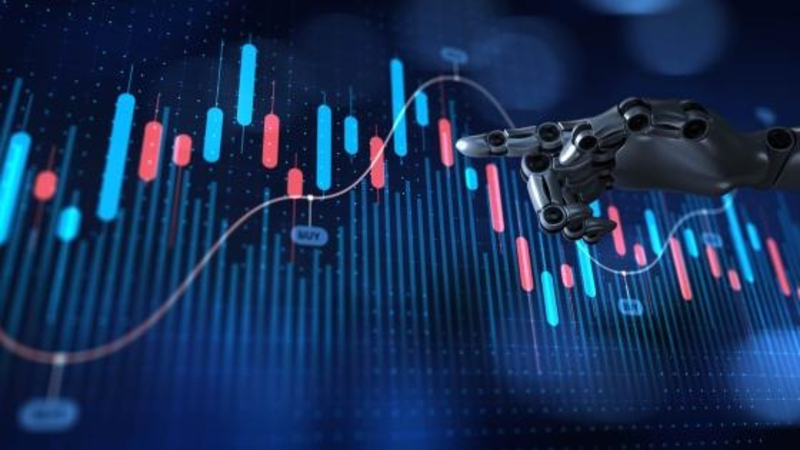
Global markets often appear calm on the surface, yet liquidity conditions beneath them can shift quietly. In recent years, artificial intelligence models have become increasingly effective at detecting subtle changes in dollar liquidity before those changes are fully reflected in asset prices. These tools do not predict market direction in isolation, but they help identify early stress signals that traditional indicators may overlook.
As dollar liquidity plays a central role in global finance, even minor tightening can influence risk appetite, funding costs, and capital flows. AI driven analysis allows market participants to interpret these shifts earlier by processing vast amounts of financial data simultaneously. This approach is reshaping how liquidity signals are identified and understood in modern markets.
Why Dollar Liquidity Signals Matter More Than Headlines
Dollar liquidity influences everything from equity valuations to emerging market stability. When liquidity tightens, borrowing becomes more expensive, leverage declines, and risk assets often lose momentum. Traditional indicators like interest rates or policy statements usually reflect these conditions after the fact rather than before them.
AI models analyze patterns across funding markets, currency swaps, treasury yields, and cross border capital flows in real time. By comparing historical behavior with current conditions, these systems can highlight stress points forming beneath the surface. This allows analysts to assess liquidity dynamics without relying on lagging indicators alone.
The importance of early detection becomes clear during periods of transition when markets shift from abundant liquidity to more constrained conditions. These moments often determine whether risk assets adjust smoothly or face abrupt repricing.
How AI Processes Liquidity Data Differently
Unlike traditional models that focus on single variables, AI systems evaluate relationships between thousands of data points at once. This includes short term funding rates, dollar demand in offshore markets, treasury auction behavior, and changes in settlement volumes. The strength of AI lies in recognizing non obvious correlations that emerge during tightening cycles.
For example, slight increases in dollar demand across multiple regions may not trigger immediate concern individually. When viewed together through an AI framework, these movements can signal a broader shift in liquidity availability. This multi dimensional analysis helps identify trends that human analysts might miss.
AI models also continuously update as new data arrives, allowing them to adapt quickly when conditions change. This flexibility makes them particularly useful during uncertain macro environments.
The Link Between AI Signals and Market Behavior
Markets often react to liquidity conditions indirectly. Equity volatility, credit spreads, and currency movements tend to follow liquidity shifts rather than lead them. AI generated signals can therefore act as early warnings rather than immediate trading triggers.
When AI models flag tightening conditions, it does not guarantee an imminent market decline. Instead, it suggests that financial conditions are becoming less supportive of aggressive risk taking. This information helps investors reassess exposure, funding strategies, and portfolio resilience.
Importantly, these signals are most valuable when combined with macro analysis rather than viewed in isolation. AI enhances decision making by adding depth to existing frameworks, not replacing them.
Why These Signals Are Gaining Institutional Attention
Institutional investors increasingly rely on AI driven insights because of their ability to process complexity at scale. As markets become more interconnected, understanding liquidity requires more than monitoring policy rates or headline inflation data.
Dollar liquidity tightening can occur even without dramatic central bank action. Shifts in reserve balances, collateral usage, and cross border dollar flows can all influence conditions quietly. AI models help institutions monitor these developments continuously rather than reactively.
This approach aligns with a broader shift toward risk management focused on system behavior rather than individual assets. By identifying early liquidity stress, institutions can adjust strategies before volatility becomes visible to the wider market.
Conclusion
AI models are becoming essential tools for identifying dollar liquidity tightening before markets fully respond. By analyzing complex relationships across global financial systems, these models provide early insight into changing conditions that traditional indicators often miss. As dollar liquidity remains a core driver of global markets, AI driven analysis is shaping a more proactive and informed approach to navigating financial cycles.