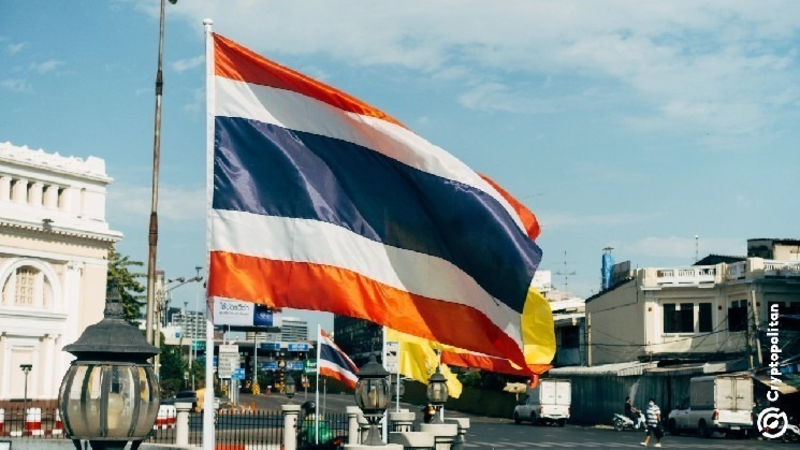
The Bank of Thailand has expanded its oversight of stablecoin activity after identifying patterns that regulators believe may be linked to so called grey money flows within the domestic financial system. According to local reporting, the central bank is closely monitoring trades involving Tether’s USDT after determining that a significant share of sellers operating on Thai crypto platforms are foreign nationals who are not authorized to trade locally. Officials said roughly 40 percent of USDT sellers fall into this category, prompting authorities to place stablecoin transactions alongside cash movements, gold trading, and electronic wallet activity under enhanced scrutiny. While Thailand’s crypto market remains relatively small compared with traditional foreign exchange markets, regulators emphasized that transaction size alone does not eliminate potential risks tied to illicit or unreported financial flows.
Central bank officials noted that average daily crypto trading volume in Thailand is estimated at about 2.8 billion baht, well below the 10 to 15 billion baht typically seen in the country’s foreign exchange market. Despite this gap, authorities said digital assets are increasingly being reviewed as alternative channels for moving funds across borders. Governor Vitai Ratanakorn stated that regulators intend to move beyond observation and take a more active role in addressing structural risks tied to unregulated financial activity. The central bank’s position reflects growing concern that stablecoins, due to their liquidity and cross border accessibility, can be used in ways that bypass existing controls. Regulators warned that failure to address these issues could eventually pose risks to macroeconomic stability if left unchecked.
The increased scrutiny follows a directive issued earlier this month by Anutin Charnvirakul, ordering tighter controls across digital assets and related financial activities. The measures include stricter reporting requirements, enhanced wallet identification rules, and closer coordination between the central bank, the Revenue Department, and other enforcement agencies. Thailand’s actions mirror a broader regional and global trend as authorities respond to the rapid growth of stablecoins and their expanding role in payments and capital movement. While issuers such as Tether have emphasized cooperation with law enforcement and ongoing enforcement actions against illicit use, regulators in emerging markets continue to assess how stablecoins interact with local financial systems and where additional oversight may be required.