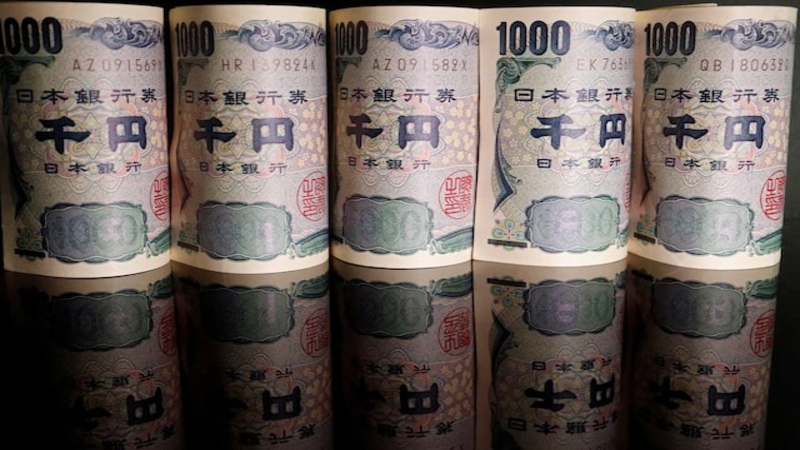
The Japanese yen weakened sharply against the U.S. dollar, falling to its lowest level since mid 2024 as investors grew concerned about the outlook for Japan’s fiscal and monetary policy. The currency slid past 159 per dollar after reports suggested Prime Minister Sanae Takaichi may consider calling an early general election, a move that markets interpreted as increasing the likelihood of looser government spending. Currency strategists noted that expectations of higher deficits and continued accommodative policy have weighed heavily on the yen in recent sessions. The rapid depreciation has also raised the risk of official intervention, with traders increasingly alert to signals from Tokyo as volatility builds in foreign exchange markets.
Japanese officials have already signaled discomfort with the speed and direction of the currency’s move. Finance Minister Satsuki Katayama said she shared concerns with U.S. counterparts over what she described as one sided yen weakness, reinforcing speculation that authorities could step in to stabilize the currency. The move in the yen came as the dollar strengthened more broadly following U.S. inflation data that largely met expectations. While consumer prices suggested easing pressure, the data also reinforced the view that the U.S. central bank retains flexibility to keep rates steady in the near term, supporting demand for the dollar relative to lower yielding currencies.
The dollar’s gains extended across major peers, with the euro and sterling both edging lower, while risk sensitive currencies showed mixed reactions. Analysts said markets appeared positioned for a larger inflation surprise, making the muted data enough to lift the greenback. The U.S. currency was also supported by recent labor market figures that point to continued economic resilience, reducing expectations for imminent rate cuts. As a result, traders are now pricing in the first potential easing move by the Federal Reserve later in the year rather than in the near term. The combination of Japanese policy uncertainty and firm U.S. fundamentals has kept pressure on the yen, leaving markets focused on whether authorities will tolerate further weakness.