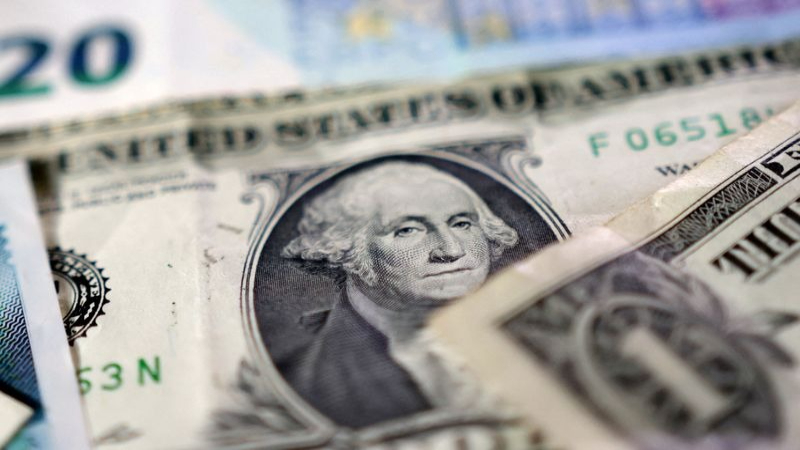
Dollar liquidity conditions have quietly tightened over recent weeks, yet equity markets continue to trade with notable calm. For many observers, this disconnect feels unsettling. Historically, tighter dollar conditions have pressured risk assets, raised volatility, and triggered defensive positioning. This time, markets appear composed, almost indifferent, even as funding dynamics shift beneath the surface.
The absence of panic does not imply ignorance. Instead, it reflects a market that is recalibrating expectations rather than reacting emotionally. Investors are processing tighter liquidity as a manageable adjustment rather than a systemic shock. Equity pricing suggests confidence that the current environment represents a slowdown in momentum, not a break in structure.
Why Dollar Liquidity Matters More Than Headlines
Dollar liquidity functions as the operating system of global markets. When access to dollars tightens, borrowing costs rise, leverage becomes less attractive, and capital flows grow selective. These conditions usually ripple through equities, especially sectors sensitive to funding and growth expectations.
What makes the current moment distinct is the pace and clarity of adjustment. Liquidity has tightened gradually, allowing markets to reprice without stress. There has been no sudden withdrawal of capital or disorderly funding event. Instead, financial conditions are firming in an orderly way, giving investors time to adapt.
This controlled shift reduces the likelihood of panic selling. Markets tend to react most violently when liquidity disappears suddenly. In this case, the signal has been visible and well telegraphed, which dampens fear and limits knee jerk reactions.
Equities Are Responding to Earnings, Not Liquidity Alone
Equity markets are not ignoring liquidity. They are simply weighting other factors more heavily. Corporate earnings resilience, stable consumer demand, and disciplined cost management continue to support valuations. As long as earnings expectations remain intact, modest liquidity tightening is seen as a headwind, not a threat.
Investors are also distinguishing between liquidity tightening and monetary tightening. While related, they are not identical. Liquidity conditions can adjust through technical factors without implying an aggressive policy shift. This distinction helps explain why equities have remained steady even as dollar funding becomes more constrained.
The result is a market that absorbs macro pressure without amplifying it. Price action reflects caution, but not fear. Volatility remains contained, suggesting confidence in the underlying economic narrative.
Global Capital Is Still Choosing U.S. Assets
Another reason markets are not panicking is the continued relative strength of U.S. assets. In a world facing uneven growth and geopolitical uncertainty, U.S. equities and dollar denominated instruments remain attractive destinations for global capital.
Even as liquidity tightens, the U.S. market benefits from depth, transparency, and scale. Capital may rotate within asset classes, but it is not exiting the system. This internal reallocation supports stability and limits downside pressure on equities.
Additionally, many institutional investors entered this phase with conservative positioning. Balance sheets are healthier than in prior cycles, leverage is more controlled, and risk management frameworks are more disciplined. These factors reduce the vulnerability of markets to liquidity shocks.
Calm Today Does Not Mean No Movement Ahead
Market calm should not be mistaken for complacency. Tighter liquidity often works with a delay. Its effects accumulate over time, influencing credit availability, investment decisions, and risk appetite gradually rather than instantly.
Equities may continue to trade sideways or selectively reprice as liquidity constraints become more binding. The lack of panic simply means the adjustment is being absorbed in stages. Investors are watching spreads, funding markets, and cross asset correlations closely for signs of acceleration.
This environment favors patience and selectivity. Broad market exposure may underperform targeted strategies that align with balance sheet strength and pricing power. The calm is real, but it is also conditional.
Conclusion
Dollar liquidity is tightening, but markets are not panicking because the shift is orderly, anticipated, and buffered by resilient fundamentals. Equities are responding to earnings strength, capital discipline, and global demand for U.S. assets rather than reacting reflexively to macro signals. The calm suggests adjustment, not denial, as markets prepare for the next phase.