Blockchain platforms bypass labels, paying creators instantly.
A Shift in the Music Industry
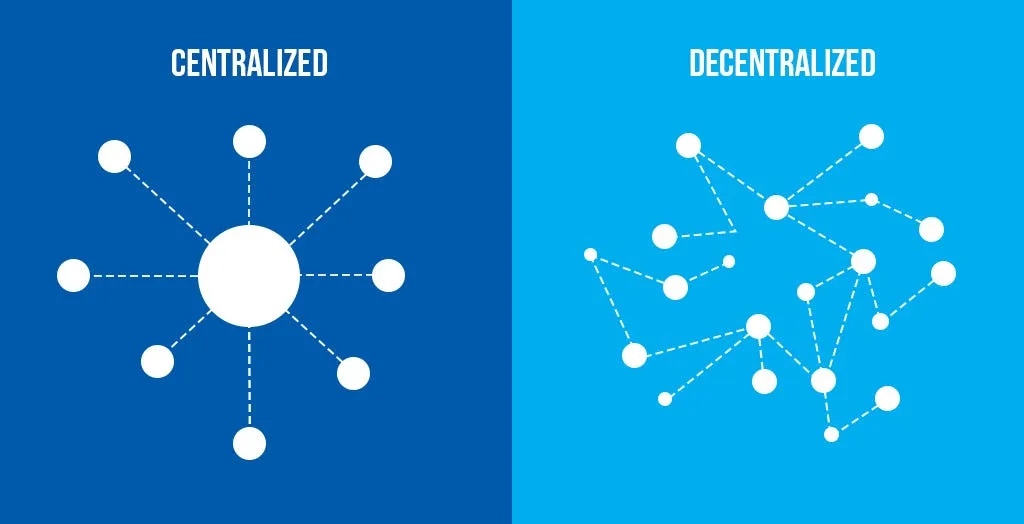
In 2025, blockchain platforms are transforming the music industry by enabling decentralized royalty systems that pay artists directly. Instead of waiting months for record labels and intermediaries to process earnings, musicians are receiving income instantly through smart contracts. This shift empowers creators, dismantles traditional bottlenecks, and aligns perfectly with cultural demands for fairness and transparency in entertainment.
Why Decentralized Royalties Matter
For decades, artists have struggled with complex royalty structures that often leave them with only a fraction of their earnings. Blockchain solves this by embedding royalty splits into smart contracts that automatically distribute revenue whenever a song is streamed, downloaded, or used in media. This ensures accuracy, reduces disputes, and builds trust between creators and fans. For musicians, decentralized royalties mean control over their work and livelihoods.
Retail Fans Support the Change
Retail listeners are embracing decentralized royalties as part of their cultural identity. On TikTok and Instagram, influencers highlight how streaming a track on blockchain platforms directly pays artists in tokens. Memes describe it as “music that actually pays musicians,” resonating with Gen Z values of fairness and authenticity. For fans, participation feels like activism, supporting their favorite artists financially and emotionally.
Whales Invest in Music Platforms
Whales are heavily involved in funding decentralized music ecosystems. Large wallets back platforms that tokenize songs, distribute royalties, and create marketplaces for NFT-linked albums. Some whales even act as cultural patrons, buying exclusive rights and supporting emerging artists. Their investments stabilize platforms, providing both liquidity and credibility to this new model of music finance.
AI Dashboards Track Royalties in Real Time
AI dashboards amplify the impact of decentralized royalties by offering transparency into earnings. Push notifications highlight updates like “Artist X received $10,000 in royalties this week” or “streaming revenue up 25 percent across blockchain platforms.” Screenshots of these dashboards circulate widely on Twitter and Discord, turning financial data into cultural storytelling. For artists and fans, dashboards validate the success of the new system.
Institutions Explore Adoption
Institutions are cautiously entering decentralized music. Labels experiment with hybrid contracts that include blockchain payments, while streaming services pilot token-based distribution models. Some universities test blockchain royalties for educational content, expanding the model beyond music. Institutional adoption indicates that decentralized royalties are not just a cultural trend but a financial innovation with global relevance.
Regulatory Considerations
Regulators are beginning to address decentralized royalties, focusing on copyright protection, taxation, and cross-border payments. Some governments support blockchain royalties as tools for financial inclusion, especially for independent artists. Others worry about piracy and legal disputes. Analysts predict that harmonized frameworks will be needed to ensure royalties remain enforceable across jurisdictions.
Cultural Narratives of Fairness and Authenticity
Culturally, decentralized royalties are framed as a victory for artists. Memes depict musicians smiling as tokens flow directly into wallets, contrasting with images of labels as outdated gatekeepers. Influencers highlight stories of independent singers who built careers without contracts, empowered by direct payments. For younger audiences, this aligns with broader narratives of authenticity and democratization in creative industries.
Risks That Remain
Despite optimism, risks exist. Platforms may face adoption challenges if mainstream streaming services resist integration. Token volatility could reduce the value of payouts, undermining predictability. Technical vulnerabilities in smart contracts pose risks of lost earnings. Analysts stress the need for safeguards, strong governance, and interoperability to ensure decentralized royalties thrive long term.
Conclusion
Decentralized music royalties in 2025 are reshaping the entertainment industry by paying artists directly and instantly through blockchain. Retail fans support the shift as cultural activism, whales fund platforms as patrons, AI dashboards provide transparency, and institutions cautiously integrate. Regulators are drafting frameworks, while cultural narratives celebrate fairness and authenticity. Risks remain, but the trajectory is clear. Music royalties are no longer trapped in legacy systems. They are evolving into transparent, decentralized structures that empower creators and redefine cultural economies.