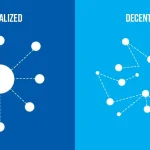
Sustainability projects leverage blockchain for transparency and scale.
Climate Finance Goes Digital
In 2025, tokenized carbon credits are gaining global traction as climate funds, governments, and corporations turn to blockchain for transparent and scalable solutions. By recording credits on decentralized ledgers, stakeholders ensure traceability, reduce fraud, and make trading more efficient. This innovation is positioning tokenized carbon credits as the backbone of next-generation sustainability markets.
Why Tokenization Matters
Traditional carbon credit systems face criticism for inefficiency and lack of transparency. Projects often struggle with double-counting or unverifiable claims. Tokenization addresses these issues by embedding credits into blockchain as immutable records, ensuring every unit represents genuine environmental impact. Smart contracts automate validation and trading, creating a system that is both trustworthy and scalable.
Retail Communities Join the Effort
Retail investors and environmentally conscious consumers are actively engaging with tokenized credits. On TikTok and Instagram, influencers highlight how individuals can purchase fractional credits to offset personal emissions. Memes frame carbon tokens as “eco receipts,” making climate action both accessible and culturally relevant. For Gen Z, participation is not just financial but an expression of values around sustainability and global responsibility.
Whales Fund Green Innovation
Whales are injecting capital into tokenized carbon credit platforms, recognizing both profit and impact potential. Large wallets fund projects ranging from reforestation to renewable energy infrastructure. Some whales purchase bulk credits as long-term investments, while others act as patrons for eco-focused startups. Their involvement brings liquidity and visibility, encouraging more institutions to participate.
AI Dashboards Monitor Climate Impact
AI dashboards amplify adoption by tracking carbon reduction metrics in real time. Push notifications highlight achievements like “50 million tons of carbon offset this year” or “forest reforestation project verified on blockchain.” Screenshots of these dashboards circulate widely on professional networks and social media, turning sustainability into measurable cultural milestones. For participants, dashboards serve as proof of both financial returns and environmental contributions.
Institutions Explore Integration
Institutions are increasingly integrating tokenized carbon credits into their strategies. Climate funds allocate capital to blockchain-verified projects, while corporations use tokens to meet ESG commitments. Some governments partner with platforms to digitize national credit registries. Institutional adoption signals that tokenized credits are moving beyond pilot programs into mainstream global finance.
Regulatory Engagement
Regulators are beginning to set standards for tokenized carbon markets. Issues include cross-border recognition, prevention of greenwashing, and taxation of credit trading. Some jurisdictions already require blockchain verification for offsets used in compliance markets. Analysts predict that harmonized frameworks will accelerate adoption while ensuring integrity.
Cultural Narratives of Responsibility
Culturally, tokenized carbon credits are framed as symbols of responsibility and empowerment. Memes depict individuals proudly holding eco-tokens as badges of climate action. Influencers highlight stories of communities funding reforestation directly through token purchases. For younger audiences, the narrative resonates with broader values of activism, fairness, and environmental stewardship.
Risks That Remain
Despite progress, risks persist. Token markets may face volatility, undermining credit stability. Projects must still be verified in the physical world, and weak validation could damage credibility. Technical vulnerabilities in smart contracts remain potential threats. Analysts warn that tokenization is a tool, not a guarantee, and must be paired with rigorous oversight.
Conclusion
Tokenized carbon credits in 2025 are attracting global climate funds by providing transparency, efficiency, and scalability for sustainability projects. Retail communities participate as eco-investors, whales provide funding, AI dashboards amplify accountability, and institutions integrate tokens into strategies. Regulators are shaping standards, while cultural narratives frame participation as responsible and empowering. Risks remain, but the trajectory is clear. Carbon credits are no longer opaque instruments. They are evolving into digital assets that unite finance and climate action on a global scale.