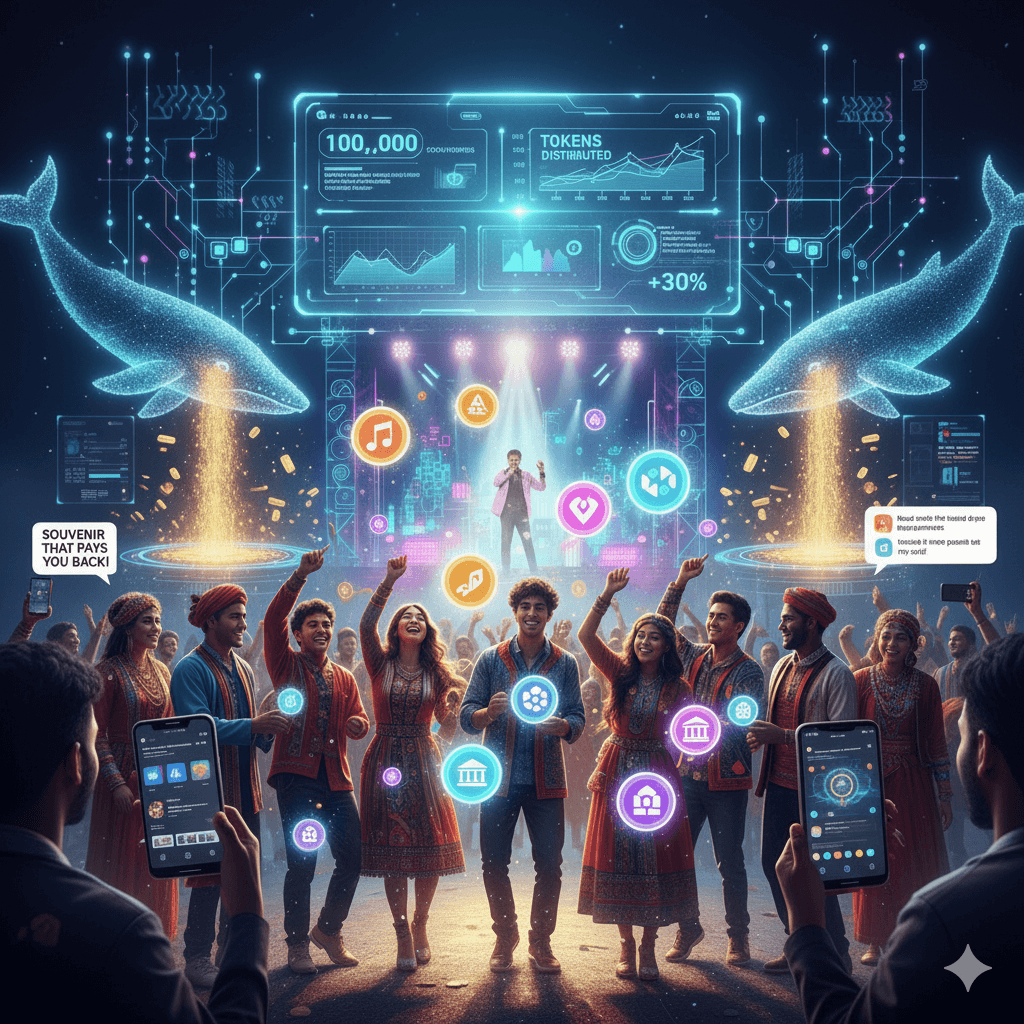
NFT-linked apparel bridges metaverse wardrobes and real closets.
Fashion Meets Blockchain
In 2025, luxury fashion is transforming as brands adopt blockchain to link digital and physical collections. Through NFT-linked apparel, consumers now own garments that exist both in real closets and in metaverse wardrobes. This dual ownership merges culture, technology, and commerce, redefining how people engage with fashion as both an identity marker and an investment.
Why Luxury Brands Embrace Tokens
Luxury brands thrive on exclusivity and authenticity. Counterfeits have long plagued the industry, eroding consumer trust. Tokenized fashion solves this by embedding blockchain-verified certificates into garments, proving ownership and authenticity. Beyond security, NFTs unlock digital versions of clothing for use in virtual spaces, appealing to younger consumers who value self-expression online as much as offline.
Retail Consumers Drive Adoption
Retail fashion enthusiasts are leading this trend. On TikTok and Instagram, influencers showcase outfits worn in both real life and avatars, framing them as “outfits that travel across worlds.” Memes describe tokenized fashion as the “future of flexing,” blending style with digital ownership. For Gen Z, owning fashion tokens is about more than clothing. It is about cultural presence, status, and participation in both physical and digital communities.
Whales as Cultural Patrons
Whales are playing a pivotal role in luxury fashion tokens. Large wallets purchase rare NFT-linked items, driving up prestige and scarcity. Some whales sponsor collaborations between designers and metaverse platforms, acting as cultural patrons who fund innovation. Their investments create buzz and liquidity, ensuring that tokenized fashion thrives as both art and commerce.
AI Dashboards Highlight Market Growth
AI dashboards track performance across digital fashion markets. Push notifications highlight milestones like “$500 million spent on NFT-linked apparel this quarter” or “luxury token resale market grows 30 percent in six months.” Screenshots of these updates spread across Discord and Twitter, turning financial growth into cultural storytelling. For both retail buyers and institutions, dashboards validate tokenized fashion as a serious economic trend.
Institutions Explore Integration
Institutions are cautiously entering digital fashion. Auction houses host hybrid sales for physical garments tied to NFTs, while payment companies test integrations with tokenized apparel markets. Some luxury retailers are piloting blockchain-based loyalty programs, rewarding customers with exclusive token drops. Institutional participation lends legitimacy to tokenized fashion, making it more than a cultural experiment.
Regulators Step In
Regulators are beginning to address tokenized fashion. Issues include intellectual property rights, resale taxation, and cross-border ownership disputes. Some governments treat fashion tokens as luxury assets subject to stricter reporting, while others see them as digital collectibles. Analysts note that regulation will shape whether tokenized apparel evolves into a mainstream industry or remains a niche trend.
Cultural Narratives of Style and Identity
Culturally, tokenized fashion is framed as liberation from the limits of physical clothing. Memes show avatars dressed in extravagant digital outfits while their owners wear simpler versions in reality. Influencers highlight stories of fashion lovers using NFTs to join exclusive online communities. For Gen Z, the appeal lies in merging physical style with digital identity, creating a holistic sense of self-expression.
Risks That Remain
Despite excitement, risks exist. Tokenized apparel markets may suffer from hype cycles, leaving buyers with overpriced items. Technical risks, including wallet security and platform shutdowns, threaten ownership. Skeptics argue that digital fashion could commercialize identity excessively, reducing creativity to token values. Analysts caution that balanced innovation and consumer protection will be critical.
Conclusion
Luxury fashion tokens in 2025 are reshaping the industry by linking physical collections with digital wardrobes. Retail consumers drive adoption, whales act as cultural patrons, AI dashboards amplify visibility, and institutions cautiously integrate. Regulators step in, while cultural narratives celebrate style and identity. Risks remain, but the trajectory is clear. Fashion is no longer confined to physical garments. It is evolving into a blockchain-enabled ecosystem where luxury, culture, and technology meet.