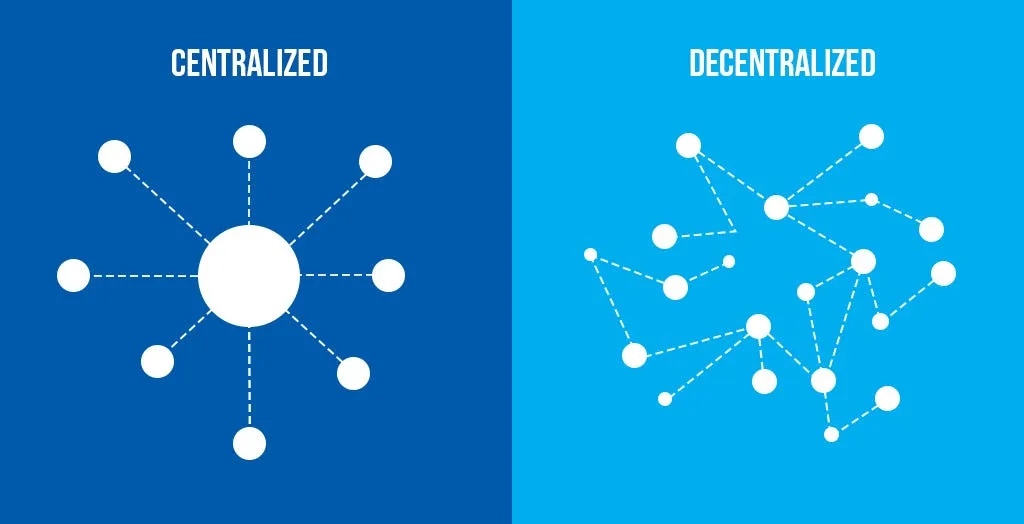
Employees receive salaries in stablecoins across global firms.
A Shift in How Workers Are Paid
In 2025, blockchain-based payroll systems are rapidly gaining traction, especially among retail communities and small businesses seeking efficiency and transparency. By paying employees in stablecoins, firms bypass traditional banking delays, reduce fees, and ensure near-instant access to wages. This transition represents not just a technical shift but also a cultural transformation in how workers view money, savings, and participation in global economies.
Why Blockchain Payroll Appeals
Traditional payroll systems rely on intermediaries, which often means long processing times and costly cross-border transfers. Blockchain solves these issues by using smart contracts to automate payroll, ensuring employees receive wages securely and on time. Stablecoins further reduce volatility risks, providing predictable value for everyday expenses. For employers, the model lowers administrative costs while boosting employee satisfaction.
Retail Workers Lead the Movement
Retail employees and freelancers are driving adoption. On TikTok and Instagram, influencers highlight stories of workers who receive stablecoin salaries instantly, without waiting for bank clearance. Memes frame blockchain payroll as “payday without the wait,” resonating with Gen Z and Millennials frustrated by outdated systems. For many, being paid in stablecoins is more than financial convenience. It is a cultural badge of participation in digital-first economies.
Whales Back Payroll Platforms
Whales are investing heavily in startups offering blockchain payroll services. Large wallets provide liquidity for stablecoin transactions and sponsor integration tools for employers. Some whales partner with multinational companies, ensuring payroll adoption at scale. Their involvement ensures stability while signaling confidence to regulators and institutions that payroll innovation is credible.
AI Dashboards Add Transparency
AI dashboards enhance payroll systems by tracking real-time transactions, compliance, and adoption rates. Push notifications highlight milestones like “10 million employees paid in stablecoins this quarter” or “cross-border payroll fees reduced by 80 percent.” Screenshots of these updates circulate across professional networks and social media, reinforcing payroll systems as both financial innovations and cultural achievements.
Institutions Explore Adoption
Institutions are cautiously testing blockchain payroll. Global firms experiment with hybrid systems where employees can choose between fiat or stablecoin payments. Fintech companies integrate payroll options into mobile banking apps, while universities and nonprofits pilot stablecoin salaries for staff and contractors. Institutional involvement accelerates adoption and signals mainstream recognition of blockchain payroll.
Regulators Join the Debate
Governments are paying close attention to payroll innovation. Some encourage blockchain payroll as part of financial inclusion initiatives, particularly for migrant workers and gig-economy participants. Others worry about taxation, reporting standards, and volatility risks. Analysts predict that payroll-specific regulation will soon emerge, balancing consumer protection with innovation.
Cultural Narratives of Fairness
Culturally, blockchain payroll is celebrated as fairness in action. Memes show workers smiling at instant payments compared to frustrated peers waiting for traditional banks. Influencers highlight stories of employees in developing nations who use stablecoin wages to avoid hyperinflation or restrictive currency controls. For younger audiences, payroll systems resonate as symbols of dignity and empowerment.
Risks That Remain
Despite benefits, risks persist. Stablecoins rely on reserve integrity, and failures could undermine trust in payroll systems. Employers face compliance challenges in jurisdictions without clear frameworks. Technical issues, such as wallet mismanagement or phishing, could disrupt payments. Analysts stress that widespread adoption will require strong governance and worker education.
Conclusion
Retail communities adopting blockchain payroll systems in 2025 mark a turning point in global labor markets. Employees receive salaries in stablecoins instantly, whales fund platforms, AI dashboards amplify transparency, and institutions cautiously integrate. Regulators are engaging, while cultural narratives frame payroll as fairness and empowerment. Risks remain, but the trajectory is clear. Payroll is no longer just about banks and paychecks. It is about blockchain systems that align with the speed and values of a digital-first generation.