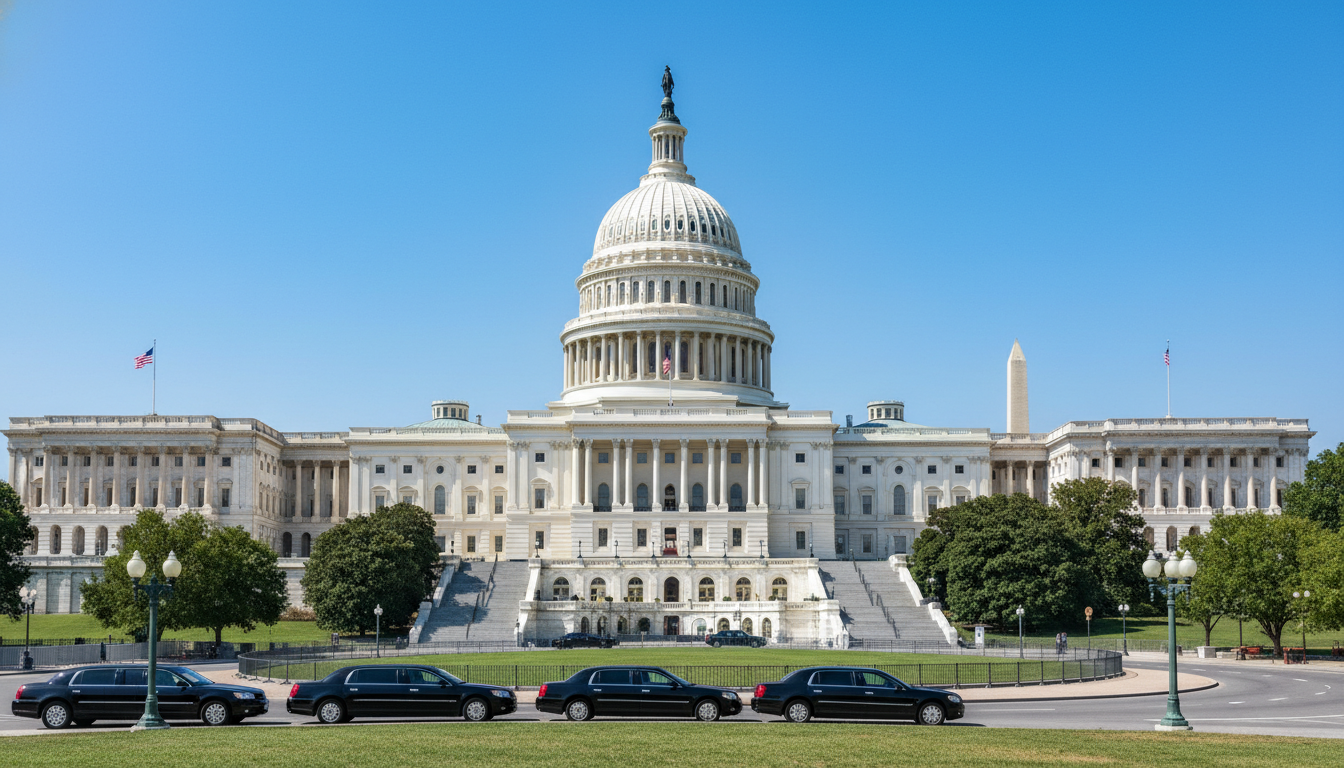
Republican Lawmakers Rally Against CBDCs
House Republicans intensified their push ahead of a floor vote to bar any U.S. retail digital dollar issued by the Federal Reserve. The effort is being led by Rep. Tom Emmer, who argued that a federal payment rail could be used to monitor lawful purchases and freeze activity through policy pressure. In interviews carried by House Financial Services Republicans, he tied the proposal to a broader privacy and separation of powers message while urging colleagues to lock limits into statute. Today, staff briefings and whip operations are focusing on vote timing and amendment strategy, while a Live count is circulating among members. The measure would restrict how any future pilot could reach consumers.
Details of the Anti-CBDC Surveillance State Act
The bill text is framed by sponsors as the Anti-CBDC Surveillance State Act, and it targets direct issuance to individuals rather than internal settlement tools. The legislation would prohibit the Federal Reserve from offering accounts, wallets, or a retail instrument that functions like a central bank digital currency, and it would also block the Fed from using intermediaries to replicate the same outcome, according to bill materials published by House Republicans. An Update shared with lawmakers notes that the proposal is written as a permanent limit unless Congress later changes the law, a structure supporters say prevents quiet expansion. Today, debate is also being shaped by broader dollar policy coverage such as Exchange Rates Today: Key Forces Driving FX Moves. The sponsors say the Fed should not become a consumer-facing bank.
Expected Impact on the Financial Sector
Banking and payments firms are watching the vote because a statutory ban would narrow the range of retail experimentation that could compete with deposits and card networks. The Federal Reserve has said it would only move forward with any CBDC with authorizing legislation, but supporters want language that closes perceived gaps and removes future discretion. Market attention is also elevated because macro stress is feeding into crypto flows, and CoinDesk’s Live markets coverage on rates and bitcoin has kept digital asset funding conditions in the headlines. In parallel, some institutions are expanding custody and token support, including Minnesota Banks Move Into Crypto Custody Services. An Update from industry lobbyists argues the bill could reduce regulatory uncertainty for private stablecoin rails.
Opposition and Support for the Bill
Democratic critics and some policy researchers counter that a narrowly designed retail instrument could improve payment resilience and reduce costs, while warning that an outright prohibition may limit future crisis tools. Supporters respond that any state-backed wallet layer risks turning routine commerce into a permissioned activity, and they cite past debates over financial surveillance authorities as reason to set bright lines. Tom Emmer and allied members have emphasized that Congress, not the central bank, should decide whether consumers ever hold claims directly on the Fed. The Federal Reserve’s public statements, including remarks summarized on its CBDC information pages, reiterate that it is not launching a retail product and would need congressional backing. Live stakeholder calls are focusing on whether the bill attracts bipartisan votes or becomes a messaging marker for November. Another Update is expected after the vote window is finalized.
Future of CBDCs Amid Political Turbulence
If the House advances the measure, attention will shift to Senate reception and whether the administration signals support or a veto threat through formal channels. Sponsors are pitching permanence to prevent future administrations from reviving a retail pilot through agency partnerships, while opponents argue that banning a tool before it is designed forecloses options. The broader global context is still shaping the conversation, but the U.S. fight is now primarily about governance, privacy, and the boundaries of central bank authority. Today, aides are also tracking how the debate interacts with stablecoin legislation and whether negotiators trade provisions across bills. Live floor proceedings and procedural votes will reveal how durable the coalition is. An Update after passage would likely clarify whether sponsors pursue companion language in must-pass packages or keep the issue on a standalone track.