The Ethereum Foundation is undergoing another leadership transition as Tomasz Stańczak prepares to step down from his role as co executive director at the end of February 2026. The move marks a fresh chapter for the organization, which has been navigating structural adjustments and community expectations over the past year.
Stańczak joined the foundation in early 2025 during a period of heightened scrutiny. He stepped into the leadership team after longtime executive Aya Miyaguchi transitioned out of her previous role amid criticism from segments of the Ethereum community. At the time, some developers and market participants argued that the foundation needed a more assertive strategy to accelerate ecosystem growth, address governance concerns, and better align with market dynamics.
Since early 2025, Stańczak shared executive leadership responsibilities with Hsiao Wei Wang. Together, they oversaw initiatives aimed at strengthening developer engagement, reinforcing Ethereum’s long term roadmap, and maintaining institutional credibility as the network evolved through scaling upgrades and layer two expansion.
In announcing his departure, Stańczak expressed confidence in the foundation’s current position, stating that both the organization and the broader Ethereum ecosystem are in a healthy state. His replacement will be Bastian Aue, who is set to assume the co executive director role alongside Wang. The transition reflects a continuation rather than a reversal of the foundation’s strategic direction, with Wang remaining in place to provide continuity.
Stańczak’s tenure coincided with a period of strategic recalibration. Community debates in 2025 centered on perceived gaps between the foundation and independent developers, concerns about potential conflicts of interest, and frustration over Ether’s price performance relative to other digital assets. Leadership changes were viewed by many as an effort to address governance transparency and clarify priorities around scaling, research, and ecosystem grants.
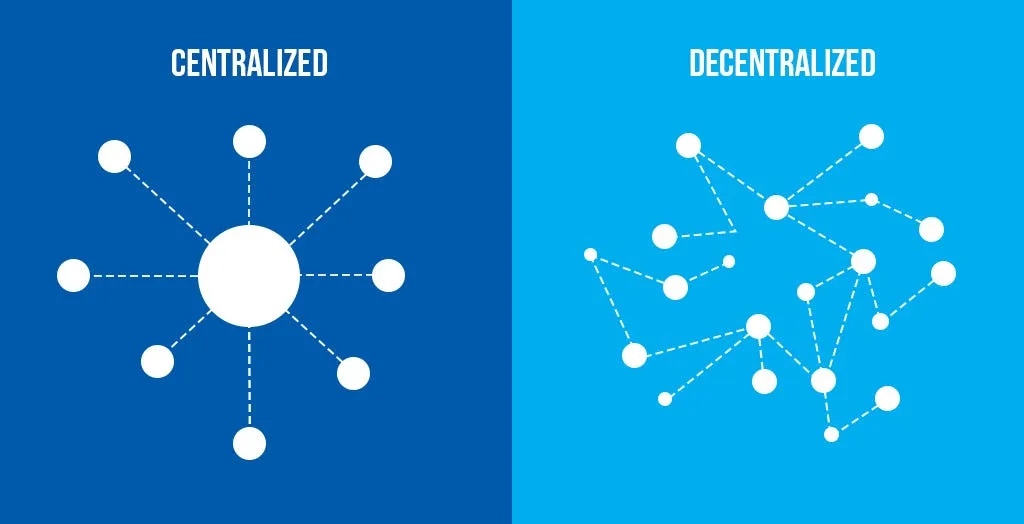
Under the dual leadership model, the foundation worked to reinforce its commitment to decentralization while also responding to market expectations for clearer communication and faster execution. The appointment of Aue suggests the foundation intends to maintain this shared leadership structure as it moves forward.
Although stepping away from the executive role, Stańczak indicated he will remain active within the Ethereum ecosystem. He signaled plans to collaborate directly with founders in frontier technology and Ethereum based projects, emphasizing that the current environment represents one of the most dynamic phases for builders on the network. His continued involvement may help preserve institutional memory while allowing new leadership perspectives to shape operational priorities.
For Ethereum, leadership stability plays a critical role in guiding research funding, protocol development coordination, and ecosystem partnerships. As decentralized finance, tokenization, and layer two scaling solutions expand, the foundation’s governance approach remains closely watched by developers and investors alike.
The leadership reshuffle arrives at a time when Ethereum faces both competitive pressure and renewed institutional interest. How the revised executive team balances community driven governance with strategic execution will likely influence the network’s next phase of development in 2026 and beyond.