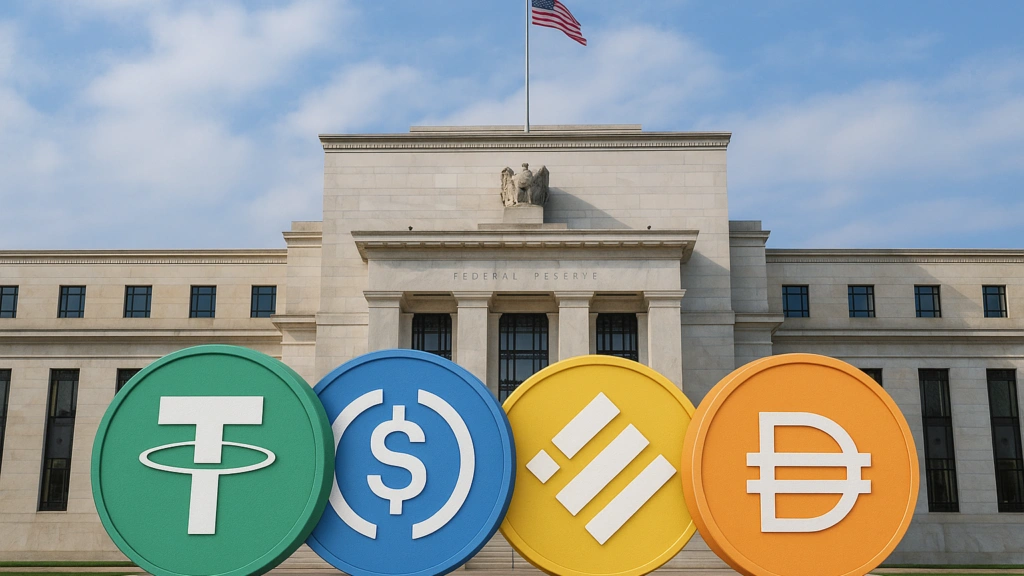
Stablecoins and central banks are increasingly shaping the future of global finance as digital currencies become more integrated into mainstream economic systems. Stablecoins, which are digital assets pegged to traditional currencies such as the US dollar, are designed to reduce volatility while enabling fast and efficient transactions. At the same time, central banks are exploring digital currency frameworks that could transform how money is issued, circulated, and regulated.
Stablecoins have gained significant popularity in the cryptocurrency ecosystem due to their stability and practical use cases. They are widely used in trading, cross border payments, and decentralized finance platforms where price stability is essential. By maintaining a fixed value relative to fiat currencies, stablecoins provide a bridge between traditional financial systems and the digital asset economy.
Central banks around the world are actively researching and developing Central Bank Digital Currencies, commonly known as CBDCs. These digital versions of national currencies aim to improve payment efficiency, reduce transaction costs, and enhance financial inclusion. CBDCs also give central banks greater control over monetary systems while adapting to the rise of digital financial technologies.
One of the key differences between stablecoins and CBDCs lies in their issuance and regulation. Stablecoins are typically issued by private companies and operate on blockchain networks, while CBDCs are state backed digital currencies controlled by central monetary authorities. This distinction raises important discussions around regulation, transparency, and financial stability.
The growing use of stablecoins has also raised concerns among regulators regarding consumer protection, reserve backing, and systemic risk. Governments are working on frameworks to ensure that stablecoin issuers maintain sufficient reserves and operate under clear compliance standards. These regulations aim to build trust while preventing potential disruptions in the financial system.
Cross border payments represent one of the most promising use cases for both stablecoins and CBDCs. Traditional international transfers are often slow and expensive, while digital currencies offer faster and more cost effective alternatives. This efficiency is driving interest from financial institutions and governments seeking to modernize payment infrastructure.
As digital finance continues to evolve, the relationship between stablecoins and central bank initiatives will play a crucial role in shaping the global monetary landscape. Their development reflects a broader shift toward digitized, efficient, and interconnected financial systems.