

Tennessee has become the second US state to impose a full statewide ban on cryptocurrency ATMs, marking a significant escalation in regulatory efforts aimed at curbing fraud linked to virtual currency kiosks. The new law, signed by Governor Bill Lee and set to take effect on July 1, makes it a misdemeanor to operate or host crypto ATMs anywhere in the state, reflecting growing concern among lawmakers about scams targeting consumers through these machines. The legislation passed both chambers unanimously, underscoring rare bipartisan agreement on tightening oversight in the rapidly evolving digital asset sector.
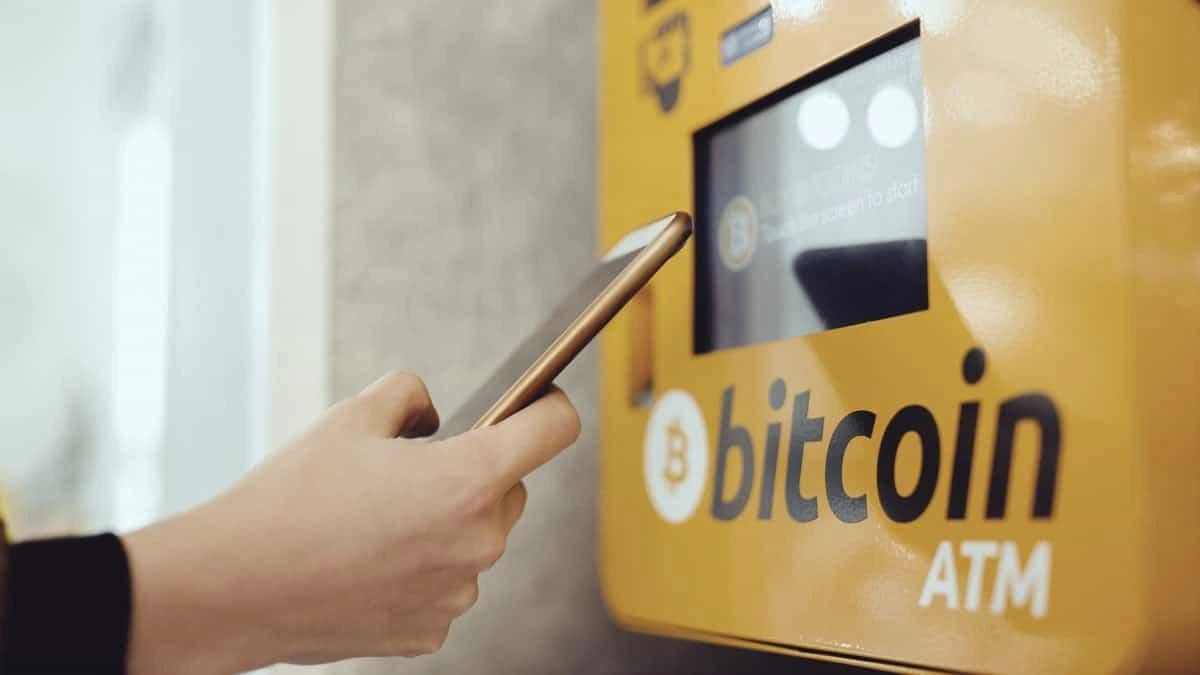
The ban specifically targets “virtual currency kiosks,” commonly known as Bitcoin ATMs, which are often located in high traffic retail environments such as convenience stores, gas stations, and shopping malls. Authorities have increasingly linked these machines to fraud schemes in which victims are persuaded to deposit cash into crypto ATMs under false pretenses, often with little ability to recover funds afterward. Under the new law, liability extends beyond machine operators to include businesses that allow the kiosks on their premises, significantly broadening enforcement responsibility and compliance risk for retail partners.
Violations of the law will be treated as a Class A misdemeanor, carrying potential penalties of up to one year in prison and fines of up to 2,500 dollars. This positions Tennessee among the strictest jurisdictions in the United States regarding crypto ATM regulation. While most states have opted for partial restrictions such as licensing requirements, transaction limits, or enhanced consumer warnings, Tennessee and Indiana now stand out as the only states to impose outright bans. Indiana enacted a similar prohibition last month, signaling a broader trend of state level intervention in response to rising fraud concerns in the crypto sector.
Supporters of the measure argue that the ban is necessary to protect vulnerable consumers, particularly older adults who are disproportionately targeted by scams involving crypto kiosks. Law enforcement agencies have reported increasing cases where victims are instructed to deposit cash into ATMs under urgent or deceptive narratives, often resulting in irreversible financial losses. By eliminating the physical infrastructure used in these schemes, policymakers aim to reduce opportunities for exploitation while shifting activity toward more regulated financial channels.
However, the decision has also sparked debate within the digital asset industry, where some stakeholders argue that blanket bans may hinder legitimate use cases for cryptocurrency access and financial inclusion. Critics suggest that improved consumer education and targeted enforcement against fraudulent operators could be more balanced approaches than full prohibition. Despite these concerns, momentum appears to be building among certain US states toward stricter oversight, reflecting a broader regulatory tightening environment across the digital asset landscape.