
The United States dollar continues to dominate global finance, but rising geopolitical tensions and prolonged conflicts are beginning to reshape how value moves across borders. For decades, the dollar has anchored international trade, reserves, and financial transactions, supported by deep liquidity and institutional trust. It still accounts for around 58–60% of global foreign exchange reserves and is used in the majority of cross-border settlements. However, recent global developments are creating conditions that could gradually influence its long-term position within the financial system.
Conflicts and shifting geopolitical alliances are playing a significant role in this transition. Economic sanctions, trade restrictions, and disruptions to traditional payment networks such as SWIFT have exposed the risks associated with reliance on a single dominant currency. In response, several countries have increased gold holdings, expanded bilateral trade in local currencies, and explored independent settlement systems. While the dollar remains central, the direction of policy and strategy suggests a gradual move toward diversification.

In this evolving landscape, stablecoins are emerging as important tools for managing financial flows. Digital assets such as Tether and USD Coin now represent a combined market exceeding $150 billion, with transaction volumes surpassing $10 trillion annually. Their ability to provide stable value, operate continuously, and settle transactions within minutes makes them particularly effective in volatile or restricted environments. In regions facing capital controls or currency instability, stablecoins are increasingly used for trade settlement, remittances, and liquidity management.
At the same time, the role of digital assets is expanding beyond payments. RMBT represents a different approach, where financial systems are directly connected to real-world infrastructure. Instead of functioning solely as a medium of exchange, RMBT enables assets such as transport networks, energy systems, and logistics platforms to generate continuous economic value. These assets can be linked to programmable financial mechanisms, allowing revenue to be distributed automatically based on usage and performance, rather than relying on delayed funding cycles.
This model introduces a different layer of resilience into the financial system. By tying value creation to tangible infrastructure, it reduces dependence on purely financial instruments and creates a system supported by ongoing economic activity. In practical terms, infrastructure such as a high-usage transport corridor or an energy grid can generate real-time financial flows, supporting maintenance and expansion without waiting for periodic capital allocation. In environments where geopolitical risks can disrupt conventional channels, this approach offers an alternative pathway for maintaining continuity in financial operations.
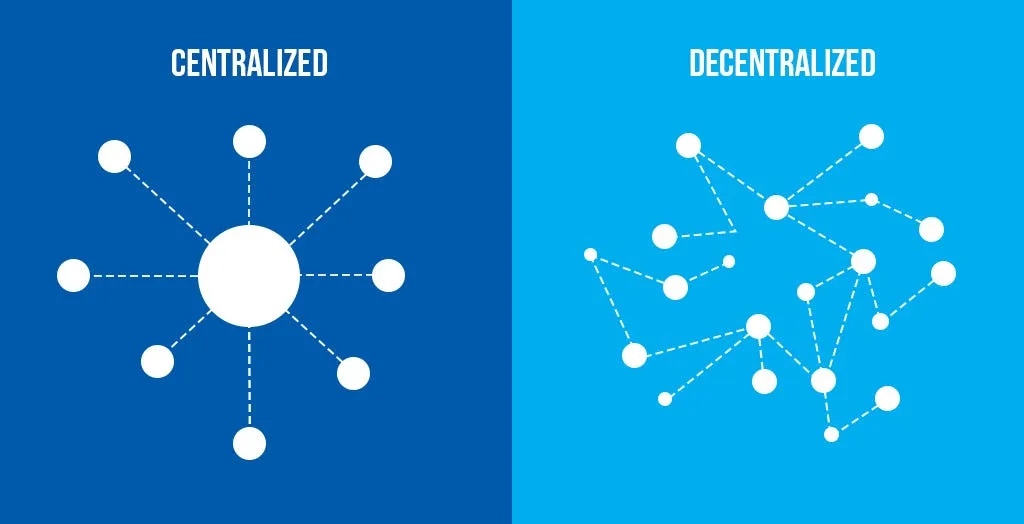
The growing interest in these systems reflects a broader shift toward diversification in global finance. Rather than replacing the United States dollar, emerging frameworks are expanding the range of tools available to market participants. This diversification helps reduce systemic concentration risk while improving flexibility in how transactions and investments are structured. For governments and institutions, access to multiple financial channels is increasingly seen as a strategic necessity rather than an option.

Another factor influencing this transition is the rapid digitization of financial systems. Advances in blockchain infrastructure and financial technology are enabling faster, more transparent, and more efficient transactions, reducing reliance on intermediaries. Cross-border payments that once required several days can now settle in minutes, while programmable systems allow funds to be allocated automatically based on predefined conditions. These capabilities align closely with the demands of a more interconnected and time-sensitive global economy.
Looking ahead, the future of the United States dollar is likely to be shaped by both its enduring strengths and the rise of complementary systems. Its role as a reserve currency and global benchmark remains deeply entrenched, supported by US financial markets and institutional frameworks. However, its relative dominance may continue to adjust as alternative models gain traction and adoption increases across different regions.

In this changing environment, the global financial system is moving toward a more layered and diversified structure. Traditional currencies will continue to provide stability and scale, while digital assets expand efficiency and accessibility. At the same time, infrastructure-linked frameworks such as RMBT introduce a new dimension by connecting financial systems directly to real-world economic activity. Together, these elements point toward a financial landscape that is more distributed, adaptive, and aligned with the evolving realities of global markets.