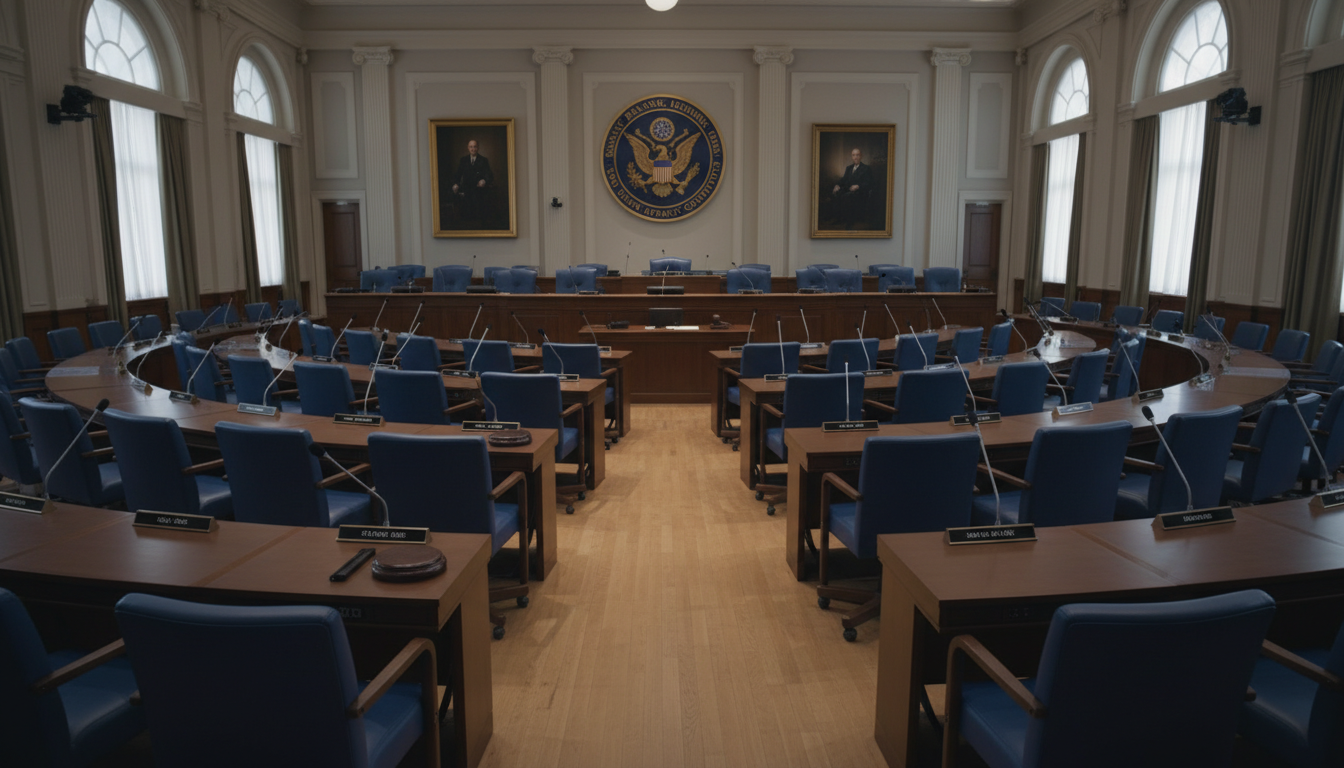
Senator Tillis Challenges Senate Stalemate
Sen. Thom Tillis is moving to force action on a long-delayed crypto regulation bill as floor time tightens and committee calendars crowd. In a Today statement carried by Reuters, Tillis said he wants the committee to take up the measure rather than let it drift behind other priorities. He framed the push as a procedural Update meant to test whether leadership will schedule a mark-up and vote. The senator also linked the bill’s status to broader market oversight questions that regulators have raised in recent testimony. Live reactions from industry trade groups focused on timing, not substance, as they watch whether the committee will commit to a date.
Impact of the CLARITY Act on Crypto Policy
Tillis is tying the next committee step to the CLARITY Act debate, arguing that a clearer division of authority would reduce enforcement-by-litigation. Today, his staff circulated an Update memo that describes how the CLARITY Act could align disclosures and custody expectations with existing securities and commodities frameworks. Several policy analysts pointed to the bill’s interaction with stablecoin and market-structure proposals already moving in the House, and for context on parallel scrutiny of stablecoin financing in Washington, see Warren questions Lutnick on Tether loan. Live committee scheduling, rather than ideology, appears to be the immediate bottleneck.
Key Features of the Proposed Crypto Bill
The draft in circulation centers on definitions, registration triggers, and which agency has primary jurisdiction, mirroring recent crypto regulation us negotiations described by Bloomberg’s congressional team. Tillis allies say the Senate Banking Committee vote would establish whether lawmakers can agree on a workable test for when a token is treated as a security versus a commodity. A separate section would standardize customer asset segregation language that compliance teams have asked for in public letters, and one portal example of how market plumbing is evolving alongside the legislative fight is Coinbase rolls out tokenized stablecoin credit fund. Today, that kind of product design is part of why legislators want faster clarity.
Potential Implications for Financial Markets
Traders are watching whether a near-term committee vote changes risk pricing for listed crypto-linked equities and for exchange revenue expectations. In Live market coverage, CoinDesk noted institutions are still positioning around regulatory timelines rather than token narratives, as detailed in big money bets on Robinhood crypto slump easing. If the crypto regulation bill advances, broker-dealers and banks could revisit custody and settlement plans that have been paused pending definitions. A separate Update from exchanges has emphasized operational readiness, not volume forecasts, because compliance costs depend on how final jurisdiction lines are drawn.
Next Steps for U.S. Crypto Regulation Reform
The immediate pathway is procedural: a chair decision on scheduling, followed by amendments and a recorded vote that sets up floor consideration. Tillis is signaling he will keep pressing until committee leadership posts a date, and he is pointing to the Senate Banking Committee as the venue where compromise language has to be finalized. Today, industry counsel are mapping which amendments are likely to survive, including narrower safe-harbor language and tighter custody standards, and for a separate window into how crypto liquidity shifts as policy signals change, USDC Minted 250M Sparks a Major Market Shift tracks recent market mechanics. Live negotiations will determine whether this reform effort becomes law or stalls again.