

Changelly Highlights Stablecoin Trends for 2026
Changelly framed its latest research as a readout on how payment behavior is shifting across merchants that already accept onchain settlement. Within the Changelly report, stablecoin adoption is described as moving from occasional transfers to routine checkout, with users preferring dollar tokens for predictable totals. Today, the company tied the timing to an upcoming May 15 infrastructure discussion that it said will focus on rails, security, and merchant tooling. The analysis also positions USD denominated stablecoins as the default unit for many crypto payments, especially where card fees or cross border frictions remain high. Live market volatility has not removed demand for fixed value settlement, and Changelly said it sees more repeat spend than one off trials.
Key Drivers of Stablecoin Adoption in Everyday Spending
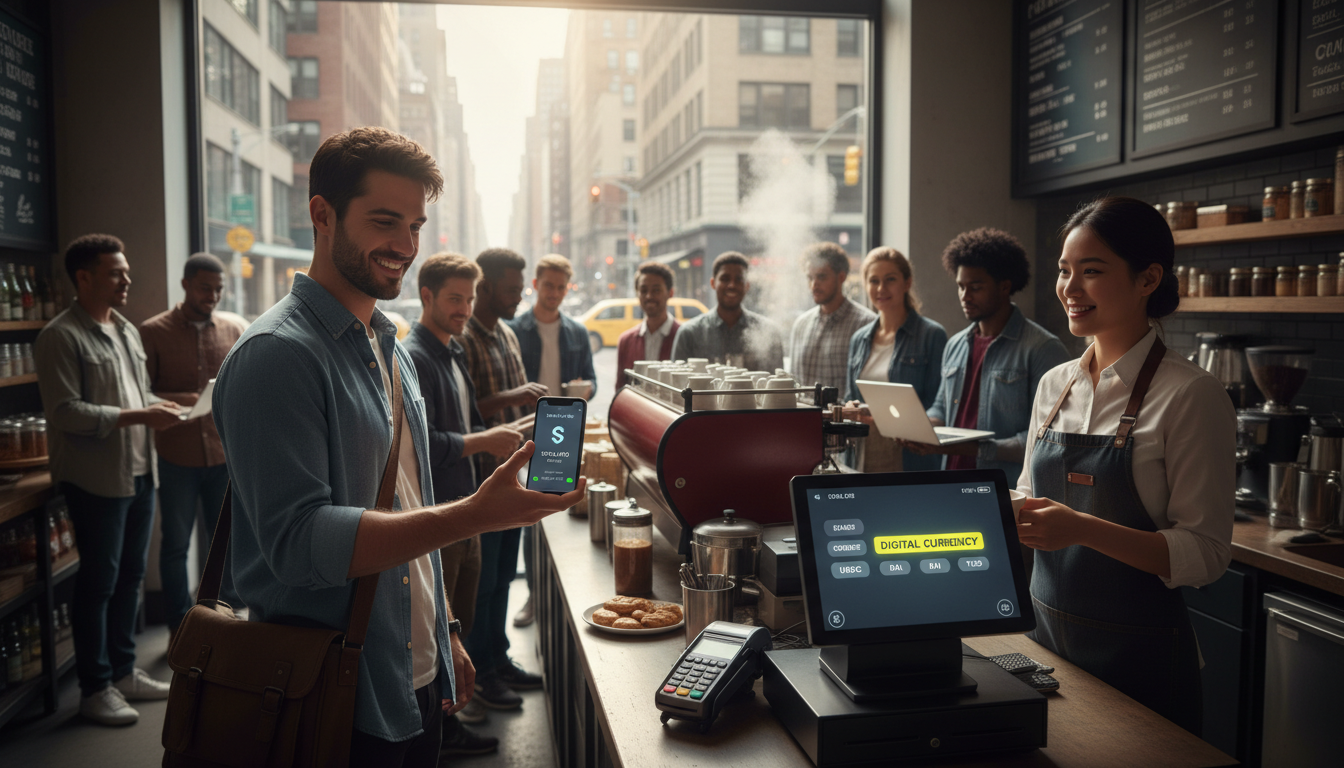
Changelly attributed the day to day pickup to a mix of UX improvements and a growing base of merchants willing to price in dollars while settling in tokens. The firm pointed to wallet level features such as saved addresses and instant confirmations as practical drivers of stablecoin adoption, rather than ideology. In a separate product signal, the publication of QR based merchant flows has been echoed by services expanding USDT acceptance, including Bitget Pay QR scan feature for in store payments. For market context, CoinDesk detailed how infrastructure choices are shaping tokenized flows in Solv Protocol migration to Chainlink CCIP. Today, Changelly said the clearest demand is for fast, low fee settlement that feels like standard digital finance.
Infrastructure Needs for Expanding Stablecoin Usage
Changelly’s note was explicit that the next phase depends on dependable rails, not just more tokens. It said the May 15 discussion will prioritize wallet safety, monitoring, and the ability for merchants to reconcile refunds without manual work. The Changelly report also highlighted that stablecoin adoption will stall if chargeback equivalents and dispute handling remain inconsistent across chains and apps. Live operational issues, like delayed confirmations during network spikes, were described as a bigger barrier than consumer interest. For readers tracking institutional plumbing, cross border tokenized Treasury settlement on XRP Ledger shows how established firms are experimenting with settlement workflows that could eventually intersect with retail crypto payments. Changelly said an Update on standards for receipts and tax reporting is expected soon after the meeting.
Industry Reactions to Changelly’s Findings
Market participants are responding by focusing less on slogans and more on proof of reliability. Changelly said merchant processors it spoke with are pushing for clearer compliance tooling and better liquidity routing so users are not forced into unwanted swaps at checkout. Live pricing swings in majors still shape how payment firms hedge, and CoinDesk’s May 7 analysis of derivatives positioning, negative funding and bullish signals for Bitcoin, underscores why many merchants prefer to receive stable value even when customers pay from mixed portfolios. Changelly said some platforms are already limiting exposure by settling immediately into USD tokens and holding short duration buffers for refunds. Another Update it flagged is improved screening APIs to reduce false positives without delaying checkout.
Future Outlook: Stablecoin Role in Global Finance
Changelly’s forward view stays grounded in execution milestones and policy timelines rather than broad predictions. It said stablecoin usage will expand where apps can offer consistent receipts, predictable fees, and instant conversions between local currency displays and onchain settlement. While it did not publish new headline numbers, the company positioned stablecoin adoption as a measurable behavior that will show up in repeat merchant transactions and lower abandonment at checkout. Today, Changelly argued the strongest near term impact will be in corridors where cards are expensive and bank transfers are slow, making crypto payments a practical alternative for routine purchases. Live operational readiness, including incident response and fraud controls, remains the deciding factor for larger retailers. Changelly said an Update from the May 15 infrastructure discussion will help clarify which standards are likely to dominate in 2026.