


Tether’s Major USDT Freeze Revealed
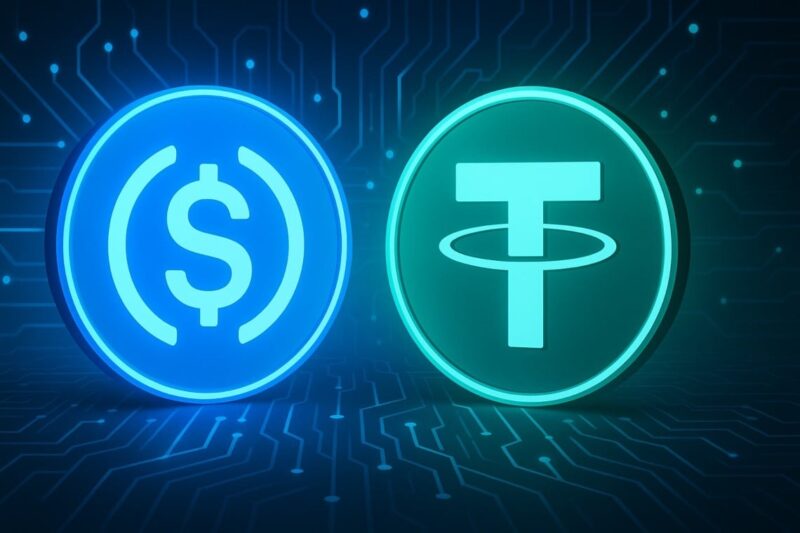
BlockSec data released this month shows Tether froze more than $500 million worth of USDT across multiple addresses within 30 days. The figures have become a focal point for exchanges and investigators tracking sanctioned flows and fraud-linked wallets. In the middle of the latest coverage cycle, the Tether USDT freeze has been framed as a measurable enforcement action rather than a policy statement. Today, desks monitoring stablecoin rails are treating the number as a signal that issuer controls remain active at scale. Live monitoring groups also noted that the affected funds were spread across distinct clusters, which reduces the chance that the total reflects a single incident. Update notes from analytics teams emphasize that totals can change as new addresses are tagged.
Implications for Stablecoins and Illicit Activity
The size of the action has renewed debate about how stablecoins intersect with illicit activity and what that means for market access. Analysts at BlockSec attributed the aggregated freeze total to address-level interventions connected to risk labeling and enforcement requests, rather than random administrative blocks. For readers tracking broader market risk, Stablecoin Growth Brings New Risks for Markets Now outlines why concentrated issuance can amplify operational decisions like freezes. Today, compliance desks are watching whether counterparties tighten deposit screening for USDT, particularly in high-risk corridors. Live market makers also factor in the possibility that frozen balances can disrupt short-term liquidity on certain venues. Update discussions in policy circles increasingly connect these events to stablecoin regulation proposals focused on transparency and redemption controls.
Understanding Tether’s Compliance Actions
Tether has repeatedly said it can freeze tokens when required by law enforcement or when addresses are linked to criminal activity, and the latest dataset brings that capability into sharper relief. The company’s public communications have emphasized cooperation with authorities, and blockchain investigators typically map freeze events to on-chain blacklists and issuer controls. In practical terms, the Tether USDT freeze process can immediately stop transfers from flagged addresses while leaving the wider network operational. As a related policy lens, CoinDesk’s analysis Stablecoins have their permission slip. Now comes the hard part describes how compliance expectations may rise once legal frameworks mature. Live enforcement coordination, not marketing, is what drives most sudden blocks. Update logs from investigators often follow as attribution improves.
Market Reactions and Future Predictions
Traders have largely treated the freezes as an enforcement headline rather than a solvency event, but the optics still matter for venues that rely on predictable settlement. Several desk leads said that when issuer actions spike, counterparties may adjust haircuts, particularly for flows coming from newly created wallets. The Tether USDT freeze figure also feeds into how analysts model operational risk across stablecoin pairs. For context on broader crypto positioning, ETH Holders Return to Profit as Price Eyes $3K shows how macro sentiment can shift while stablecoin utility remains central to trading. Today, the market’s base case assumes freezes will continue when address intelligence improves. Live order books have not shown a uniform retreat from USDT pairs. Update chatter is instead focused on screening tools and venue policies.
Expert Opinions on Cryptocurrency Compliance
Compliance specialists argue the headline number is significant because it quantifies issuer discretion in a way regulators can evaluate. Risk professionals at blockchain analytics firms have said that centralized controls can deter repeat offenders when combined with exchange-level monitoring. At the same time, legal scholars caution that aggressive interventions can raise due process concerns if appeal paths are unclear, especially across jurisdictions. Today, conversations in policy forums are increasingly about harmonizing seizure, freeze, and unfreeze standards so legitimate users are not caught in broad nets. Live investigations also benefit when issuers and exchanges coordinate on shared identifiers, reducing the time between detection and action. Update briefings from enforcement partners often prioritize speed, but experts emphasize documentation so freezes stand up to later scrutiny.