


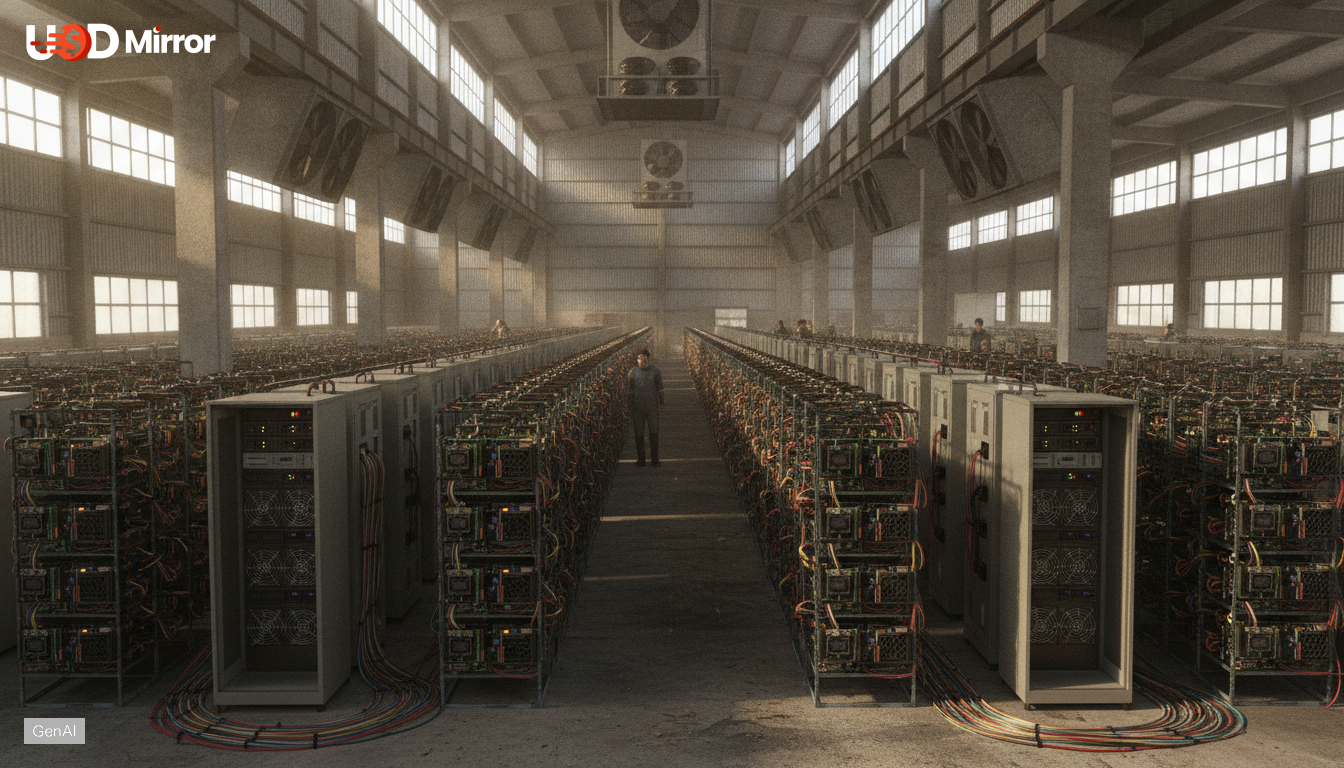
Bitcoin Miner Margins Sink Toward Record Lows
Bitcoin miner margins are tightening fast as BTC hovers near $60,000 and competition stays high. Some market dashboards and onchain-derived profitability gauges suggest miners are earning less per unit of hash as fees cool and difficulty remains elevated, pushing operating break-evens higher for smaller fleets. Public mining companies have discussed sensitivity to power prices and network conditions in shareholder communications and earnings materials, adding that Bitcoin miner margins pressure might become significant if spot prices stall. The network can keep producing blocks normally, but if compression persists it may force weaker operators to sell reserves, renegotiate energy terms, or exit, potentially affecting short-term supply and liquidity dynamics.
$60K Bitcoin Support and Liquidity Plumbing in Focus
Price action around the BTC support level near $60,000 is the immediate line traders are watching because a clean hold could steady the “Bitcoin floor” narrative without requiring a broad risk rally. CoinDesk covered Sygnum’s view on that shift in banks building tokenized cash networks, and at the same time, market plumbing continues to evolve as banks explore tokenized cash rails that could influence how quickly capital moves during volatility. Related reporting on settlement experiments is also tracked in Major US Banks Build Tokenized Deposits Settlement as traders weigh liquidity conditions.
Derivatives Positioning Watches Miner Stress Signals
In derivatives markets, some desks and analysts treat $60K as a tactical pivot, getting more defensive when spot cannot reclaim nearby levels and funding turns less favorable. For additional context on tightening liquidity and risk appetite, see SpaceX IPO Demand Tightens Crypto and Tech Liquidity, and in that backdrop, miner profitability is often monitored as a stress gauge rather than a direct trigger, since selling is only one option miners have. Treasury policies vary, and investors often compare stated hold/sell frameworks with publicly observable exchange flows and borrowing activity, while recognizing that these indicators are imperfect.
What Lower Miner Margins Mean for Market Structure
If Bitcoin miner margins remain compressed, the near-term impact is more likely consolidation and heavier hedging than any abrupt network disruption. CoinDesk’s overview of product access and advisor behavior, including crypto ETFs, shows how flows can hinge on structure as much as price: Crypto ETFs for advisors, and hash rate can stay resilient because efficient fleets with low-cost power contracts may gain share even as marginal operators struggle. For market-structure watchers, stress periods can highlight which miners can refinance and which may need to liquidate, shaping the pace of any miner-driven supply.
How Miners and Traders Navigate a $60K Test
Miners are responding with tighter risk controls aimed at reducing revenue variance and avoiding forced actions during fast drawdowns, according to common industry commentary and company disclosures. Typical responses can include renegotiating power terms, refreshing hardware cycles, and using hedges to smooth cash flow when fees and price move against them, a pattern that has shown up in recent post-halving operator updates in 2026. Traders often treat $60K as a clear risk boundary, scaling leverage down when funding costs rise and avoiding crowded positioning when liquidity thins. Stablecoin flows can also matter during stress, as USD liquidity may park in stablecoins before redeploying. A related read on institutional risk reduction is Bitcoin price risks $30K as institutions reduce exposure. Bitcoin miner margins remain a key tell alongside the price level.