

US Housing Bill Deal Adds CBDC Ban
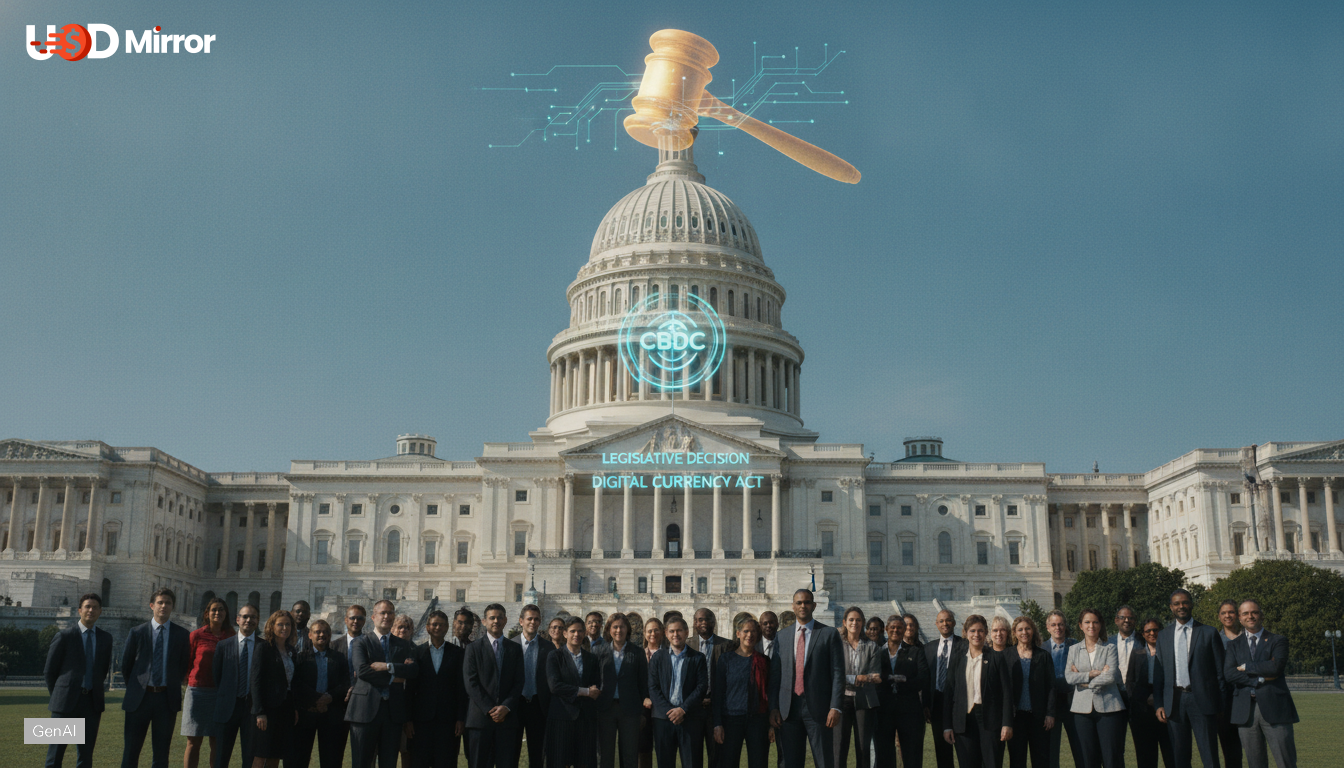
US lawmakers are reported to be discussing a housing bill compromise that would include a CBDC ban lasting until 2030. As described by negotiators and in circulating staff-level summaries, the provision would block a retail central bank digital currency unless Congress passes explicit authorization, making the digital dollar debate primarily a legislative question rather than an agency pilot. Observers of the talks say negotiators paired housing finance measures with payments policy after weeks of House and Senate discussions, reflecting how digital money questions can overlap with consumer credit and mortgage access. According to available reports from a crypto news source, House Financial Services and Senate Banking committees have been involved, and leadership is expected to set floor procedures once final text is formally filed.
Why the Ban Would Run Through 2030
Based on draft descriptions shared in the talks, the deal would tie the restriction to a firm sunset date of 2030, instead of leaving the timeline to agency discretion. For context on reserve plumbing, see Money Market Fund Explainer: State Street Stablecoin Reserves, as supporters, as cited by lawmakers and advocacy groups, frame the CBDC ban as a privacy and civil liberties safeguard. They argue a retail digital dollar should not proceed without statute-level guardrails and clear limits on account-level control. The same descriptions indicate the moratorium language would sit alongside oversight language for alternative payment rails and stablecoin practices, keeping private settlement systems in view.
Policy and Payments Impact of the Moratorium
If enacted as outlined by negotiators, the housing bill language would limit a public retail digital dollar pathway and could shift attention toward regulated bank deposits, tokenized cash equivalents, and supervised payment intermediaries. Tokenization momentum continues in parallel, with infrastructure growth often framed around market size estimates such as Tokenized Asset Market Surges Past $43 Billion. Market participants have suggested they expect greater emphasis on private issuance standards, reserve disclosures, and settlement asset transparency, rather than central bank retail accounts. The CBDC ban, as described in summaries, would not necessarily prevent wholesale interbank settlement experiments if structured within existing authority, but it could raise the approval threshold for any consumer-facing wallet concept.
Market Reactions to the 2030 Moratorium
Traders and policy analysts said they were watching the compromise for potential spillovers into stablecoin issuance, custody policy, and tokenized assets. Some interpreted the reported approach as favoring incremental oversight over a fast federal launch, with sentiment in digital asset firms remaining sensitive to regulatory tone. Investors also pointed to comparable sector moves, including CoinDesk coverage in BitGo stock surges on $50 million share buyback, as an example of how capital allocation can amplify market reactions during policy shifts. According to industry participants, traditional lenders were more focused on the housing finance sections than the digital provisions.
What Happens After 2030
If the restriction is adopted with a 2030 endpoint, it would create a defined window for Congress to revisit whether a central bank digital currency is necessary and what constraints would apply. Lawmakers backing the restriction have suggested they want any future proposal to move through statute with explicit privacy protections and limits on government control over transactions. Opponents argue the delay could reduce competitiveness, but the compromise as described by participants signals that the CBDC ban and congressional consent would be treated as the gatekeeper for any retail CBDC deployment. In the interim, analysts expect agencies to concentrate on supervision of private payment tokens and bank-issued innovations where rulemaking and enforcement already exist.