Bitcoin miners AI investment accelerates into compute
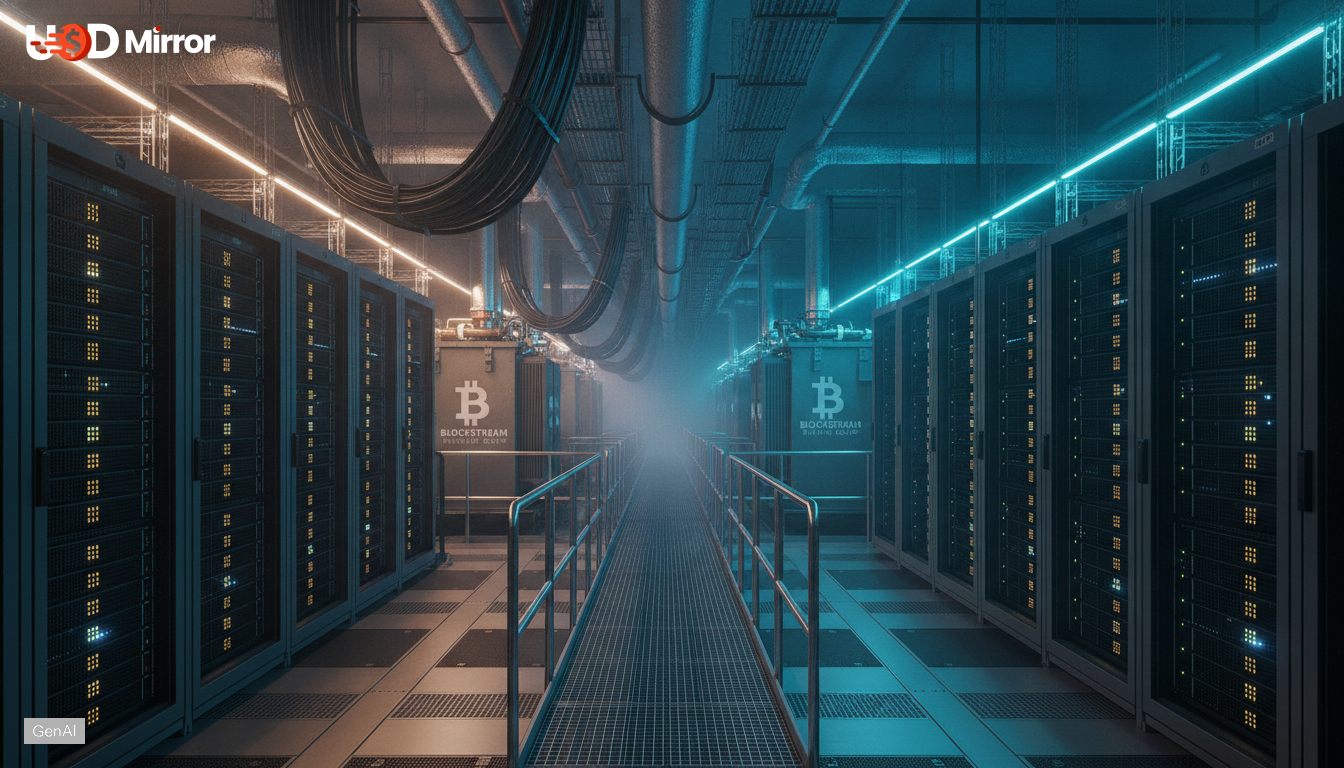
Bitcoin miners are reportedly redirecting budgets from new ASIC fleets into high density data centers built for AI training and inference, as indicated by company presentations and investor communications. In recent earnings calls and investor updates, several public operators have described AI hosting as a growth line, aiming to monetize power contracts and real estate even when block rewards tighten margins. The shift can require miners to meet stricter service level agreements, with more predictable uptime reporting, security controls, and billing than mining pools typically require. Vendor influence is also shifting, with networking, power distribution, and cooling suppliers shaping build specs earlier than ASIC procurement cycles. The near term question for markets is whether these AI facilities can be delivered on schedule and filled with contracted tenants.
Site retrofits and regulation slow the AI pivot
Retooling a mining campus for AI racks typically requires redesigning electrical distribution, cooling, and tenant isolation compared with standard crypto mining setups. Many sites may need higher voltage gear, denser fiber, and redundant cooling loops, which can extend build times and introduce new contractors. Policy attention is also rising, including derivatives oversight discussions such as AI Compute Futures: CFTC Weighs Potential CME October Launch. The economics hinge on matching long term power pricing with committed AI tenants, a tougher task when interconnection queues and local permits tighten. For market context, CoinDesk tracked shifting sentiment in Bitcoin’s jump above $71,000 sets up bullish golden cross pattern.
What changes for core Bitcoin mining operations
As capital and staff move toward AI operations, mining strategy is changing in measurable ways inside firms, based on management commentary in quarterly updates. Operators are prioritizing sites with scalable substations and fast network backhaul, even if those locations are not optimal for pure hash rate economics. Some companies report renegotiating equipment refresh schedules and extending ASIC depreciation to preserve cash, while using power curtailment programs to help smooth earnings. In quarterly calls, executives have described splitting campuses into distinct segments so AI tenants get consistent uptime while miners can still shut off during peak pricing events. Related narratives are tracked in Bitcoin price prediction: Standard Chartered sees $100K, and that division affects treasury policy and hedging because AI cash flows can resemble infrastructure leases more than commodity production. This shift can also alter internal KPIs as operators compare tenant utilization against hash rate deployment.
Balance sheet risk as capex outruns contracts
The central financial risk is that capital expenditure can be committed faster than contracted revenue is recognized, straining liquidity even for large miners. According to sources, Reuters has reported on cases where spending plans materially outpaced current revenue in parts of the sector; figures vary by company and period, and any specific ratio depends on the dataset and definitions used. In this environment, Bitcoin miners’ AI investment can magnify balance sheet volatility if projects slip, power costs rise, or customers delay deployments. CoinDesk also pointed to broader market catalysts in Treasury buybacks could set up Bitcoin’s next move toward $180,000, says strategist. Debt covenants tied to EBITDA can tighten when build phases carry heavy depreciation without matching billings. The practical test is whether boards can slow builds without breaking customer commitments.
Outlook for miners as AI infrastructure operators
Near term positioning suggests the winners will be miners that treat AI hosting as an operationally separate business with distinct controls, pricing, and risk management, as analysts and executives have argued in public commentary. Operators are moving toward multi year contracts that specify power delivery, cooling performance, and escalation clauses, while keeping mining capacity flexible for periods of favorable network economics. Internal controls may also evolve alongside accounting and reporting debates covered in Stablecoin regulation: FASB cash equivalent test. Several firms have described aligning procurement around GPUs, networking, and liquid cooling rather than only ASICs, which changes workforce skills and vendor concentration. Over time, operators that can document compliance, security, and uptime may win higher quality tenants than those relying on opportunistic spare capacity. The market is turning toward disciplined infrastructure execution rather than pure hash rate expansion.