Returns fall to record lows, testing investor patience.
Staking Boom Creates New Pressures
Ethereum staking was once seen as a golden ticket, promising steady yields for anyone willing to lock up coins and secure the network. In 2025, that picture is changing. With more validators joining the system than ever before, rewards have shrunk dramatically. What started as a lucrative income stream is now testing the patience of both retail and institutional stakers who expected higher returns.
Rewards Reach Record Lows
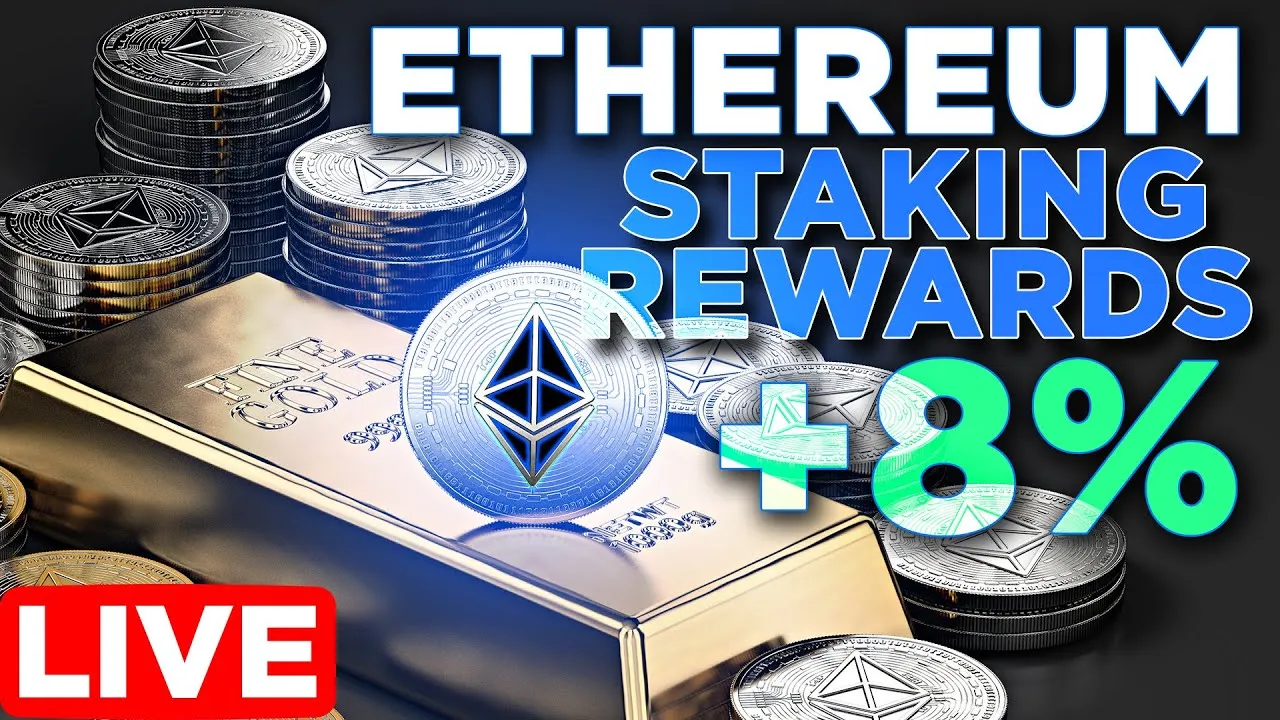
Data from on-chain trackers shows that annualized staking rewards have dropped below 3 percent, the lowest since Ethereum transitioned to proof of stake. In the early days, yields hovered between 6 and 8 percent, drawing in waves of participants. The sharp decline reflects the sheer number of validators competing for the same pot of rewards. For many small investors, the returns no longer justify the opportunity cost of locking up funds in a volatile market.
Retail Traders Voice Frustration
On TikTok and Discord, Gen Z traders who once celebrated staking as passive income now post memes about “staking pennies.” Frustration is mounting as returns fall below what could be earned in traditional savings accounts or bond funds, especially during a period of higher global interest rates. Some retail participants admit they are considering pulling out and moving funds into DeFi yield opportunities, even if the risks are higher.
Institutions Rethink Their Strategies
Institutions that embraced staking through custodial services are also rethinking exposure. Several funds have reduced allocations, citing unattractive yields relative to traditional fixed-income products. Custodians are reporting a slowdown in new deposits, though outflows remain measured for now. The shift suggests that staking is losing appeal as a headline institutional product, undermining Ethereum’s pitch as a yield-generating alternative to bonds.
Whales Adapt with Scale
Whales, however, are not abandoning staking entirely. Instead, they are consolidating positions across large validator pools and using liquid staking derivatives to maintain flexibility. By doing so, they earn modest yields while keeping the ability to rotate into DeFi or arbitrage opportunities. For whales, staking has become a defensive play rather than a growth strategy. Retail, by contrast, often lacks access to the same derivatives and strategies, making the decline in rewards more painful.
AI Dashboards Highlight the Drop
AI-powered dashboards have amplified awareness of shrinking returns. Push notifications with headlines like “Ethereum staking yield hits new low” spread quickly across retail apps. These alerts drive cultural reactions as much as financial ones, with memes framing staking as “the new savings account but worse.” While dashboards provide transparency, they also reinforce negative sentiment, accelerating the retreat of smaller participants.
Impact on Ethereum’s Ecosystem
The decline in rewards has ripple effects. Fewer retail participants may mean greater reliance on large validators and custodians, raising concerns about centralization. Developers warn that if staking participation drops too far, network security could be weakened. For now, overall staking participation remains high, but the concentration of power in fewer hands is a growing worry. DeFi protocols tied to liquid staking tokens also face risks if sentiment continues to sour.
Global Context Adds Pressure
Macro conditions compound the problem. Higher-for-longer interest rates from central banks make traditional fixed income more attractive. Investors comparing Ethereum’s 3 percent yield with U.S. Treasury bonds at 4 to 5 percent face an obvious choice. Offshore dollar stress further complicates matters, with some traders preferring stablecoins over volatile staked assets. These global forces are making Ethereum’s staking pitch harder to sell.
Conclusion
Ethereum staking has reached a crossroads in 2025. Once celebrated as a source of passive income, it now delivers record-low yields that struggle to compete with traditional alternatives. Retail traders are frustrated, institutions are hesitant, and whales are adapting with more sophisticated tools. For the broader ecosystem, the challenge is balancing security with sustainability. If staking becomes unattractive to too many participants, Ethereum risks undermining its own foundation. The coming months will test whether staking can reinvent itself or remain stuck in decline.
Author: Alexandra Chen | Macro & Markets Writer
Email: alexandra@cheenews.com