Rising rates pull crypto deeper into macro crosscurrents.
Bond Market Turbulence
Global bond markets are flashing warning signals in 2025. Yields on U.S. Treasuries, European government debt, and emerging market bonds have all climbed sharply in recent weeks. Investors demand higher returns as inflation proves sticky and central banks keep policy tight. For decades, bond market shifts were a concern primarily for fixed-income desks. Today, crypto markets move in lockstep with these swings, exposing how deeply Bitcoin and altcoins are tied to macro currents.
Why Yields Are Rising
Central banks in the U.S. and Europe have maintained restrictive policies longer than markets anticipated. Inflation in the U.S. remains above 3 percent year on year, while wage growth adds upward pressure. Investors are demanding compensation for holding long-term debt, driving yields to multi-year highs. In emerging markets, higher yields reflect not only inflation but also currency stress as the strong dollar squeezes local liquidity. This global trend has intensified risk aversion, spilling into crypto.
Bitcoin’s Correlation Resurfaces
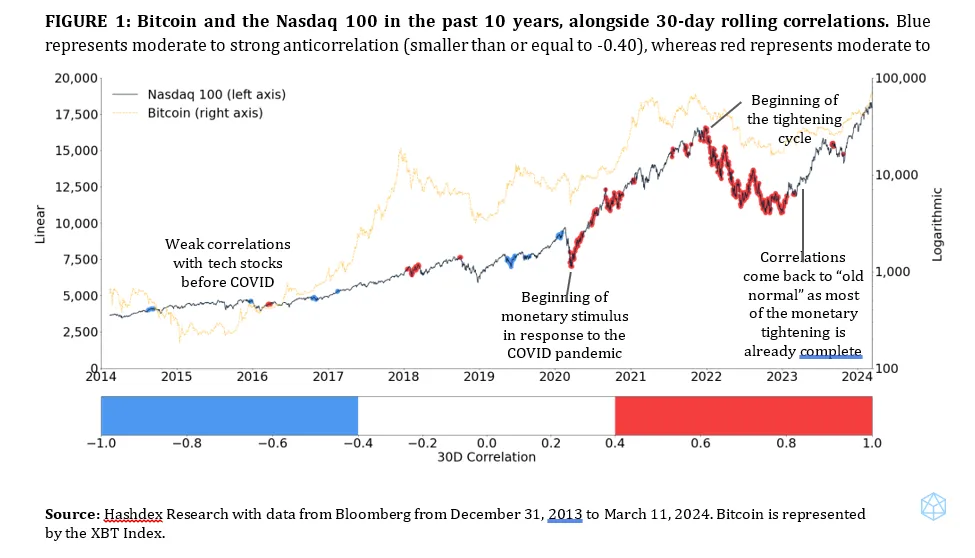
Bitcoin once sold itself as an uncorrelated hedge, a digital haven immune to macro swings. In practice, its behavior has become closely aligned with high-beta assets. Recent bond yield spikes have dragged Bitcoin lower, with correlations to Nasdaq futures climbing back above 0.7. For traders, this means that rising yields are no longer background noise but direct signals for crypto positioning. When bonds sell off, Bitcoin often follows.
Retail Traders React
Gen Z traders, who dominate TikTok and Discord communities, treat bond yield moves as breaking news. Memes frame yields as “gravity pulling Bitcoin down,” while influencers explain in simple terms how higher borrowing costs reduce liquidity for speculation. This cultural translation has made even young traders aware of fixed-income dynamics, a subject once confined to specialists. The cultural obsession underscores how macro has invaded crypto’s daily identity.
Whales Adjust Their Playbooks
Whales are actively hedging against yield-driven volatility. On-chain data shows large holders shifting into stablecoins during bond selloffs, reducing exposure to altcoins most vulnerable to liquidity shocks. Some whales are buying options to profit from volatility spikes around key bond auctions or central bank announcements. Their moves contrast sharply with retail reactions, which tend to be more emotional and meme-driven. The divide highlights how professional players use yields as precise signals, while retail turns them into cultural narratives.
AI Dashboards Spread the Signal
AI-powered dashboards amplify bond market signals for retail traders. Push notifications with headlines like “10-year U.S. yield hits 5 percent” or “German Bunds surge” hit phones instantly. These alerts are increasingly tied to crypto recommendations, framing yield moves as bearish or bullish for Bitcoin. The integration of bond data into retail dashboards reflects how financial technology has collapsed the distance between fixed-income desks and crypto TikTok.
Global Dimensions of the Shift
The correlation between bond yields and crypto is not just a U.S. story. In Japan, the Bank of Japan’s struggles with yield curve control have sent ripples through Asian markets. In Europe, persistent inflation in services keeps yields elevated. These global moves feed directly into Bitcoin liquidity, as stablecoin demand rises and offshore spreads widen. The result is a synchronized macro-crypto cycle where no region can insulate itself.
Risks of Overdependence
Analysts warn that crypto’s tightening link to bond markets undermines its original hedge narrative. If Bitcoin behaves like a high-beta tech stock whenever yields rise, it loses its distinct identity. Retail traders may accept this reality in the short term, but long-term adoption could suffer if Bitcoin is seen as just another risk asset. Some argue that only during extreme crises does Bitcoin reclaim its hedge role, leaving its everyday identity tied to macro liquidity.
Conclusion
The spike in global bond yields has once again pulled Bitcoin into the orbit of traditional finance. Correlations with equities and rates prove that crypto cannot escape macro gravity. For whales, this reality provides opportunities to hedge and profit. For retail, it creates memes and emotional swings that amplify volatility. In 2025, the message is clear: bond yields no longer sit in the background. They are central signals shaping crypto sentiment, strategy, and identity.
Author: David Karim | Senior Market Correspondent
Email: david@cheenews.com