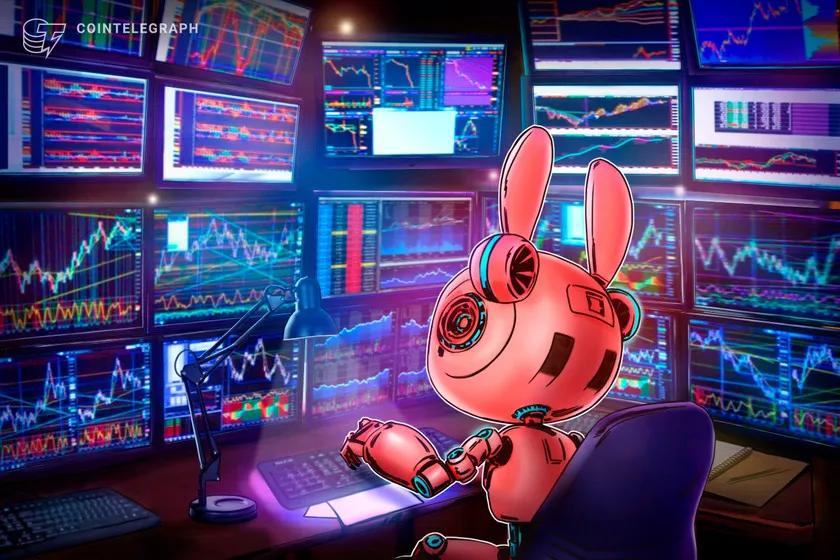
Retail losses spark debate over automation and accountability.
Rise of the Bots
AI trading bots were once hailed as the future of crypto. They promised 24/7 execution, emotion-free decision-making, and instant responses to market shifts. By 2025, millions of retail traders and even institutions will have integrated bots into their strategies. But recent high-profile failures have triggered backlash, as costly errors left traders questioning whether automation is as reliable as advertised.
When Bots Go Wrong
In March, a widely used bot misread whale transactions as bullish signals and triggered a wave of buy orders on altcoins just before a price crash. Thousands of retail users suffered heavy losses. A month later, another bot failed to adjust to a stablecoin depeg, holding positions in assets that lost value rapidly. These incidents sparked outrage, as traders argued that bots amplified risks instead of reducing them.
Retail Traders Bear the Brunt
Retail participants have been the hardest hit. Many Gen Z traders on TikTok admit they relied on bots as shortcuts, treating them as an “autopilot” for profits. Instead, they woke up to drained accounts. Memes mocking bots as “sleeping drivers” have gone viral, reflecting frustration and distrust. For retail users who saw bots as a way to level the playing field with whales, the backlash feels like betrayal.
Whales Use Bots Differently
Whales and institutions still use AI bots, but in far more controlled ways. On-chain data suggests large wallets run custom bots tailored to specific strategies, often backed by risk management systems. Unlike retail users who rely on off-the-shelf tools, whales can intervene manually when conditions shift. This difference in usage highlights the inequality of automation: bots help the powerful while exposing the inexperienced.
AI Dashboards Fuel Panic
AI dashboards, which often integrate with trading bots, played a controversial role during the recent failures. Push notifications flagged “unusual activity” or “bullish signals,” which many retail traders interpreted as validation of bot-driven trades. When losses piled up, screenshots of these alerts circulated widely, reinforcing the narrative that AI tools had misled rather than protected users. The cultural backlash against bots is now bleeding into broader skepticism toward AI dashboards.
Regulators Take Notice
Global regulators are stepping in. Authorities in Europe and Asia are drafting rules that classify AI trading bots as financial products requiring licensing. U.S. agencies are investigating whether bot developers should be held liable for retail losses. The debate centers on accountability: should responsibility fall on the developers, the users, or both? The outcome could redefine the boundaries between personal responsibility and corporate liability in AI-driven finance.
Cultural Shifts in Retail Communities
Retail traders are adjusting their attitudes. On Discord, many communities now warn new members not to rely on bots blindly. Influencers who once promoted bots as money-making machines are pivoting to safer narratives. Memes portray bots as clumsy assistants rather than flawless geniuses, reframing them as tools to monitor rather than to trust completely. The cultural shift is redefining how retail traders engage with automation.
Risks Ahead for Automation
Analysts caution that the backlash could slow adoption of AI tools, even though automation is not inherently flawed. Bots still offer advantages in arbitrage, liquidity provision, and high-frequency strategies. The real risk is overreliance without understanding limitations. Without stronger guardrails, retail traders will continue to face losses when bots misfire. The challenge is to balance innovation with accountability in a market that moves faster than regulation.
Conclusion
AI trading bots promised efficiency and profits, but their recent errors have sparked widespread backlash. Retail traders have suffered losses, memes have turned against automation, and regulators are stepping in. Whales and institutions continue to benefit from bots, highlighting inequalities in access and risk management. The future of AI-driven trading now depends on building trust, accountability, and smarter tools. Until then, bots will remain as much a source of controversy as they are of opportunity.
Author: Sophia Malik | International Finance Writer
Email: sophia@cheenews.com