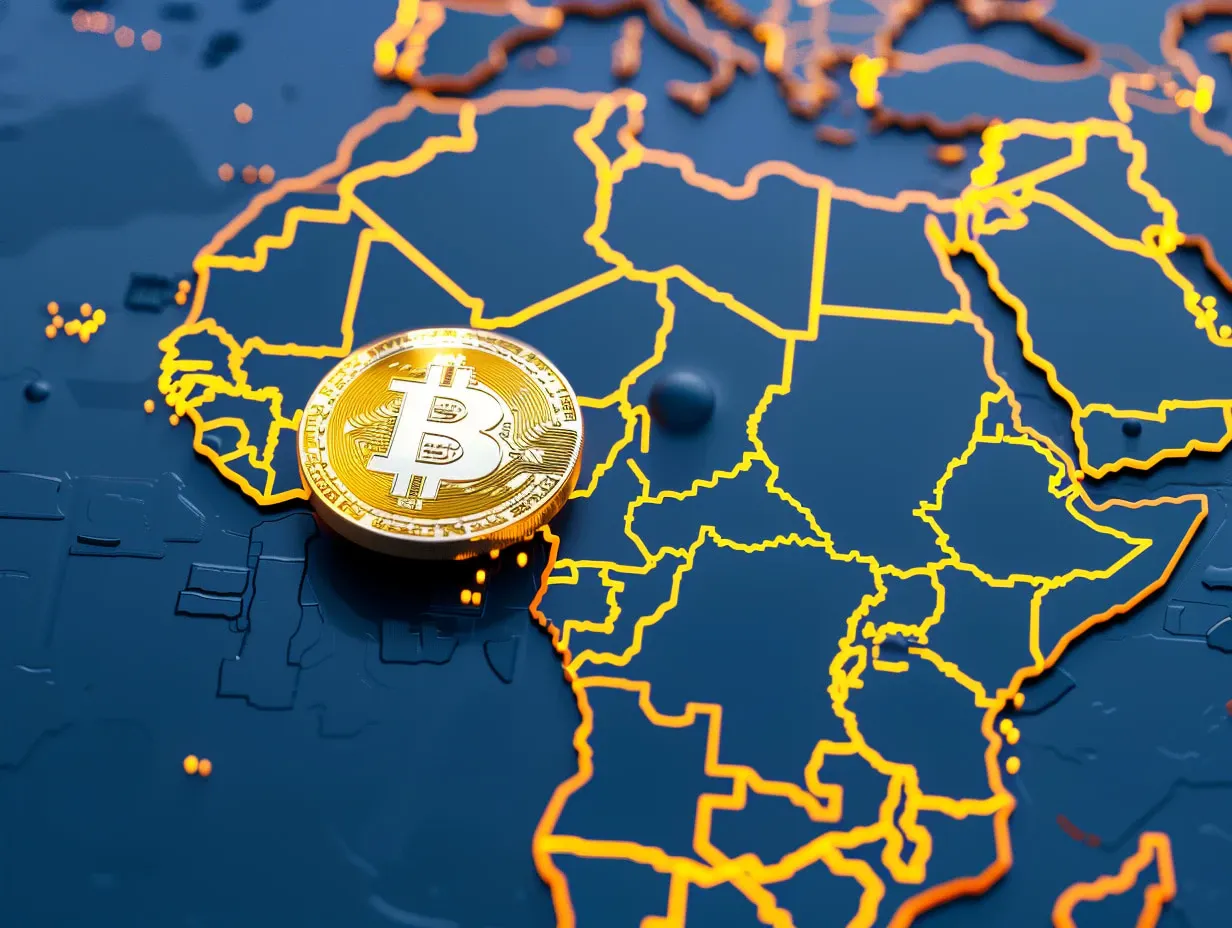
Cross-border transfers shift from banks to mobile wallets using BTC.
A Shift in Remittance Channels
Africa has long been one of the most expensive regions in the world for sending money. Traditional banks and remittance services often charge fees of 8 to 12 percent on cross-border transactions, draining billions of dollars annually from migrant workers’ earnings. In 2025, Bitcoin is increasingly stepping in as a cheaper, faster alternative. Mobile wallets linked to BTC are transforming how families receive and use money, cutting costs and expanding financial access.
Mobile Integration Spurs Adoption
The key driver of this shift is mobile integration. Companies across Africa are linking Bitcoin payments directly to mobile money platforms that already dominate financial life in countries like Kenya, Nigeria, and Ghana. A worker in Europe or the Middle East can now send BTC to a mobile wallet in Africa, where it is instantly converted into local currency or kept as digital savings. The ease of this system is drawing more users away from traditional remittance corridors.
Retail Users Embrace the Change
Retail adoption is growing rapidly. Families report receiving more money each month because fees are lower, and transfers arrive in minutes rather than days. On TikTok and WhatsApp, young Africans share tutorials on using Bitcoin wallets for remittances, turning financial education into viral content. Memes frame Bitcoin as “the new Western Union,” highlighting its cultural significance as both a tool and a symbol of independence from costly intermediaries.
Whales and Institutions Take Notice
Whales are also watching the trend closely. On-chain data shows increasing volumes of BTC flowing through wallets associated with remittance platforms. Institutions, including fintech firms and regional banks, are exploring ways to integrate Bitcoin into their services to avoid losing market share. Some are experimenting with hybrid systems that use BTC rails behind the scenes while maintaining user-friendly fiat interfaces.
AI Dashboards Highlight the Surge
AI dashboards are amplifying awareness of this shift. Push notifications track remittance-related BTC flows, highlighting spikes during holidays or seasonal migration periods. These alerts make it easier for traders and analysts to see Bitcoin’s role in real-world use cases, beyond speculation. Screenshots of dashboards showing “remittance surge detected” circulate widely, strengthening the perception that Bitcoin is becoming a practical utility, not just a volatile asset.
Challenges Remain
Despite its promise, Bitcoin remittances face challenges. Volatility remains a concern, as the value of BTC can fluctuate during transfers. Conversion into local currency is not always smooth, especially in regions with strict capital controls. Regulatory scrutiny is also intensifying, with some governments wary of losing oversight over money flows. Infrastructure gaps in rural areas limit adoption, as not all communities have reliable internet or mobile coverage.
Cultural Narratives Drive Momentum
Cultural energy is fueling adoption as much as economics. Young Africans frame Bitcoin as a technology that empowers them to bypass old systems and assert control over their financial futures. Memes and viral videos dramatize the difference between paying high bank fees and receiving near-instant BTC transfers. This cultural reframing ensures that Bitcoin remittances are not just seen as financial tools but also as symbols of generational change.
Global Implications
The expansion of Bitcoin in African remittances has global significance. If successful, it could challenge traditional remittance giants and force them to lower fees. It also positions Bitcoin as a serious competitor to stablecoins in cross-border payments. Policymakers worldwide are watching, since remittances are a vital source of foreign exchange for many economies. A shift to Bitcoin could alter how capital flows are managed at both local and international levels.
Conclusion
Bitcoin’s growing role in African remittances reflects a powerful convergence of technology, culture, and necessity. By integrating with mobile wallets, BTC is cutting costs, speeding transfers, and empowering retail users. Whales and institutions are taking notice, AI dashboards are tracking adoption, and cultural narratives are amplifying the trend. Challenges remain, but the momentum is clear. For Africa, Bitcoin is no longer just a speculative asset. It is becoming a practical lifeline for millions of families who depend on cross-border earnings.
Author: Ada Walker | Markets & Data Reporter
Email: ada@cheenews.com