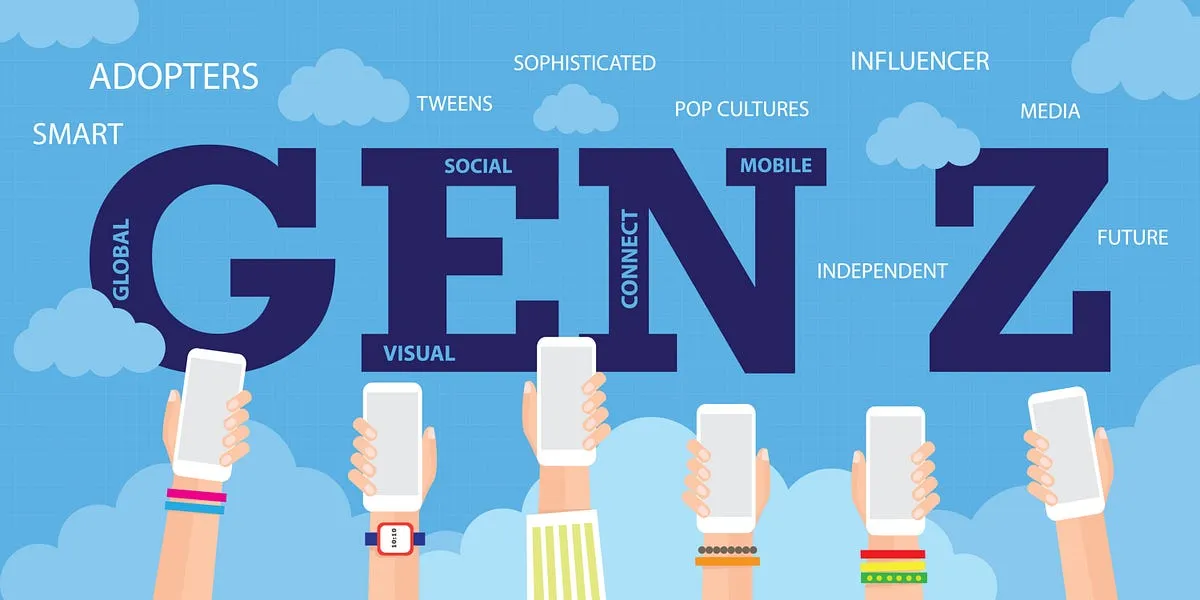
Wallet histories become markers of trust in online communities.
A New Kind of Digital Identity
In 2025, Gen Z is redefining what identity means in the digital age. Traditional markers like social media profiles and credit histories are being replaced by on-chain identities, built from blockchain wallet activity. These identities act as social passports, proving trustworthiness, reputation, and participation across online communities. For younger generations, being recognized by wallet history is as important as being recognized by a résumé or an Instagram profile.
Why On-Chain Identity Matters
On-chain identities are appealing because they combine transparency with autonomy. Every transaction, NFT purchase, and community interaction creates a record that cannot be tampered with. This history serves as proof of credibility, allowing users to gain access to communities, jobs, or financial products without relying on traditional gatekeepers. In a world where privacy and authenticity are constantly debated, on-chain identity provides a blend of openness and ownership that resonates strongly with Gen Z values.
Retail Users Lead the Charge
Retail adoption is driving the momentum. Young creators, gamers, and traders use wallets not just to manage assets but to showcase their cultural participation. On TikTok and Discord, influencers highlight wallet histories as proof of fandom or early adoption, such as owning NFTs from popular collections. Memes portray wallets as “digital passports” stamped with transactions, making financial and cultural activity part of personal identity. For Gen Z, wallets are not only storage tools. They are status symbols.
Whales Shape the Ecosystem
Whales play a critical role in defining norms around on-chain identity. Large wallets often become cultural landmarks, with retail users tracking their histories for inspiration. Some whales use their reputations to build exclusive communities, granting access only to wallets with proven transaction records. This creates a hierarchy where whales become both role models and gatekeepers, shaping how on-chain identity functions at scale.
AI Dashboards Add Visibility
AI dashboards are amplifying the visibility of wallet histories. Push notifications highlight milestones such as “user reached 1,000 transactions” or “community NFT holders cross 50,000.” Screenshots of these alerts spread across social media, reinforcing the importance of on-chain identity. Dashboards are turning personal activity into public narratives, blurring the line between financial data and cultural storytelling. For retail users, this validation strengthens the idea that identity is no longer self-declared. It is verified on-chain.
Institutions Explore Applications
Institutions are beginning to experiment with on-chain identity in recruitment, finance, and community management. Some startups use wallet histories to assess creditworthiness, while DAOs grant governance rights based on proven participation. Universities are exploring blockchain credentials that function as permanent records of achievements. These experiments demonstrate how on-chain identity is moving beyond crypto into mainstream contexts, embedding itself into the infrastructure of daily life.
Regulatory Questions Arise
The rise of on-chain identity is also raising regulatory questions. Privacy advocates worry about exposing too much personal data, while governments debate how to integrate wallet histories into compliance frameworks. Should wallets be tied to legal identities? Or should pseudonymity remain a core feature? These debates highlight the tension between transparency and autonomy, a balance that will determine how sustainable on-chain identity becomes in the long run.
Cultural Narratives of Authenticity
Culturally, Gen Z frames on-chain identity as proof of authenticity. Memes depict wallets as “digital diaries” recording real participation rather than curated images. Influencers emphasize that, unlike social media, where appearances can be faked, on-chain identity reflects actual behavior. This narrative resonates deeply with younger audiences, who value authenticity as a cultural currency. The result is a powerful shift where blockchain activity itself becomes social capital.
Risks of Overexposure
Despite the excitement, risks remain. Overexposure of wallet histories can create vulnerabilities, from targeted scams to financial profiling. Not all communities interpret wallet records fairly, leading to exclusion rather than inclusion. Analysts caution that tools to manage privacy, such as selective disclosure, will be critical. Without them, on-chain identity could backfire, eroding trust instead of enhancing it.
Conclusion
Gen Z is treating on-chain identity as the new social passport in 2025, blending culture, finance, and authenticity into a single narrative. Retail users showcase wallets as markers of status, whales influence norms, AI dashboards amplify visibility, and institutions explore mainstream applications. Regulatory debates and risks of overexposure persist, but the cultural momentum is undeniable. For younger generations, wallets are no longer just keys to assets. They are keys to belonging in the digital world.