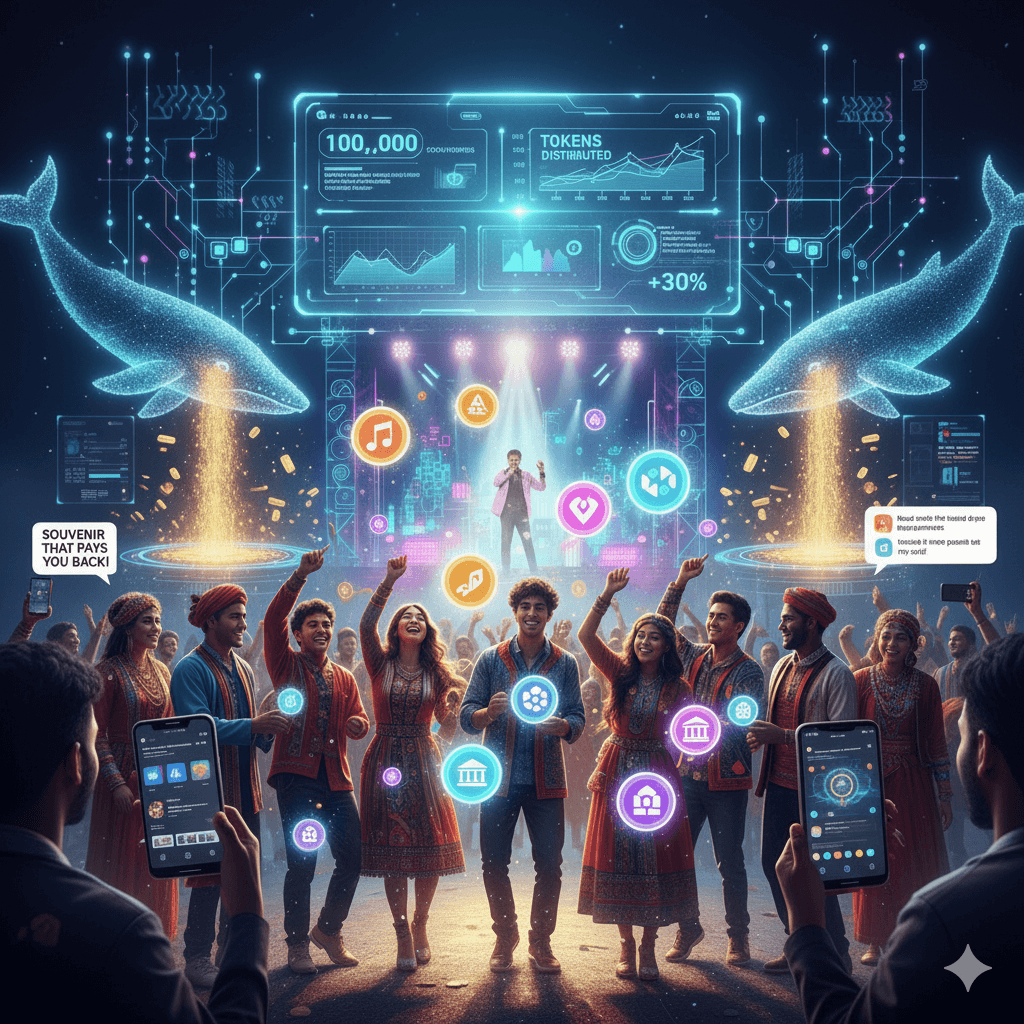
Fans embrace blockchain for fairer access to concerts and sports.
A Disruption in the Ticketing Industry
In 2025, NFT ticketing platforms are emerging as serious competitors to traditional giants like Live Nation and Ticketmaster. Long criticized for high fees, limited transparency, and frequent fraud, the ticketing industry is now facing pressure from blockchain solutions that promise fairness and efficiency. By issuing tickets as NFTs, platforms are giving fans greater security, control, and access, reshaping how events are bought and experienced.
Why NFT Tickets Are Different
NFT tickets provide unique advantages over traditional systems. Each ticket is minted on the blockchain, ensuring authenticity and preventing duplication. Smart contracts allow issuers to control resale conditions, eliminating scalper-driven price spikes. Fans can transfer or sell tickets with confidence, knowing every step is transparent and verifiable. These features create a trust layer absent in legacy systems, turning NFTs into more than just collectibles. They are functional passes tied to real-world experiences.
Retail Fans Drive Adoption
Retail fans are at the heart of this shift. On TikTok and Instagram, tutorials explain how to buy NFT tickets and store them in digital wallets. Memes portray NFT tickets as “digital keys” to cultural experiences, highlighting their role in fighting scams. For Gen Z, the appeal lies in the combination of technology and fairness. By owning blockchain-verified tickets, fans feel empowered, no longer subject to opaque practices that once defined the industry.
Whales and Promoters Shape Markets
Whales and event promoters are also fueling the trend. Large wallets invest in NFT ticketing platforms, seeing long-term growth potential. Promoters experiment with hybrid models, issuing NFT tickets that double as collectibles with perks such as backstage passes or access to exclusive merchandise. This strategy creates secondary markets where whales and superfans interact, driving liquidity and visibility. For promoters, NFTs are not just about selling seats. They are about extending the event experience into digital spaces.
AI Dashboards Track Ticketing Trends
AI dashboards are amplifying visibility into the adoption of NFT ticketing. Push notifications highlight metrics such as “20 percent of major concerts issue NFT tickets” or “resale prices remain within 5 percent of face value.” Screenshots of these alerts circulate widely across social media, framing the movement as a cultural revolution. For fans, dashboards validate the idea that blockchain ticketing is not just an experiment but a mainstream trend gaining traction.
Institutions Explore Partnerships
Institutions are cautiously entering the space. Sports leagues are piloting NFT ticketing for select matches, while music festivals experiment with tokenized passes linked to loyalty programs. Payment firms are exploring integrations that allow NFT tickets to be purchased with both fiat and crypto. These partnerships provide credibility, ensuring NFT ticketing platforms expand beyond niche communities into broader markets.
Regulatory Conversations Begin
Governments are beginning to take notice. Some regulators support NFT ticketing as a way to combat fraud and scalping, while others question consumer protections in decentralized systems. Policies around taxation of NFT resale profits are also under discussion. While frameworks remain fragmented, regulators acknowledge that blockchain ticketing offers potential solutions to problems that legacy systems have failed to solve.
Cultural Narratives of Fairness
Culturally, NFT tickets are framed as symbols of fairness and empowerment. Memes portray traditional ticketing companies as “gatekeepers,” while NFTs are celebrated as open doors for fans. Influencers highlight the sense of ownership and security tied to digital tickets, reinforcing their cultural legitimacy. For Gen Z, buying an NFT ticket is more than a transaction. It is a statement of participation in a new, transparent economy of entertainment.
Risks That Remain
Despite momentum, challenges persist. Some users struggle with the technical complexity of managing digital wallets. Questions about interoperability between platforms remain unresolved. Not all events are ready to embrace blockchain, and skeptics warn that hype could outpace real-world adoption. Analysts note that scalability and education will be key to ensuring NFT ticketing grows sustainably.
Conclusion
NFT ticketing platforms are challenging traditional giants in 2025 by offering transparency, fairness, and cultural empowerment. Retail fans drive adoption, whales and promoters shape markets, AI dashboards amplify visibility, and institutions experiment with partnerships. Regulators are beginning to engage, while cultural narratives frame NFTs as tools of justice in an unfair industry. Risks remain, but the momentum is undeniable. For concerts, sports, and live entertainment, the ticket wars have begun, and blockchain is giving fans a real seat at the table.