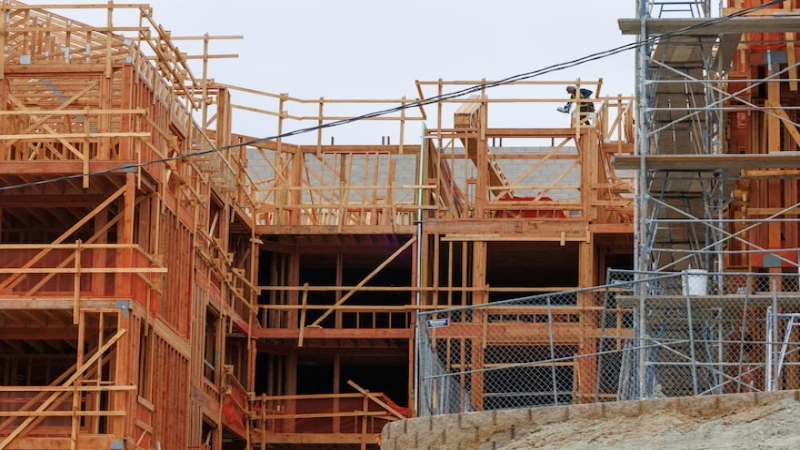
US construction spending surprised markets in August with a slight rebound that broke from expectations of a slowdown, signaling that renovation activity is becoming the hidden force keeping the sector alive while new homebuilding struggles under the weight of higher mortgage costs. Government data showed a point two percent rise for the month after a revised gain in July, defying forecasts that anticipated a decline and revealing a shift in how Americans are allocating capital into their properties. Even as overall spending was down on a yearly basis, residential investment climbed for the month with an uptick driven mostly by home upgrades rather than new single family projects, which recorded another drop as elevated borrowing costs pushed both builders and buyers into wait and see mode. Multi family activity also edged up slightly, but its small share of the broader market kept renovations at the center of August’s unexpected strength. The report was also notable as the first major data release following the record length federal shutdown that delayed dozens of key indicators and forced analysts to reassess timelines heading into September.
Private construction spending rose point three percent in August, supported heavily by residential activity which expanded point eight percent even as new single family construction fell point four percent. Analysts said the pattern underscores growing pressure across the US housing market, where high financing costs have reshaped demand and temporarily redirected investment from new builds toward retrofits, energy upgrades and structural improvements. Mortgage rates, which eased in early September as the Federal Reserve resumed its rate cutting cycle, were still at levels high enough in August to suppress fresh starts, and the central bank has since signaled caution about lowering rates again next month. That hesitation has kept markets on edge and pushed builders to focus on existing inventory, especially with new home supply elevated and buyer interest softening due to a cooling labor market. With September’s jobs data set for release later this week, markets are preparing for volatility across rate sensitive sectors as investors weigh how quickly borrowing conditions may loosen heading into the final stretch of the year.
Outside the housing sector, construction activity showed more signs of strain as private nonresidential investment slipped point three percent, pointing to cautious sentiment among businesses planning offices, factories and commercial infrastructure. Public construction spending was flat, with state and local budgets steady and federal activity slipping point eight percent, signaling that government support did little to offset private sector softness. Analysts said the combination of delayed data, slowing job growth, shifting rate expectations and weakened builder confidence could create a lumpy path for the sector in the months ahead even though renovation driven resilience helped stabilize August’s numbers. Market strategists noted that September may show a clearer picture once mortgage rates reflect the Federal Reserve’s latest signals, but for now, the construction landscape remains tethered to interest rate sentiment and consumer willingness to invest in existing properties rather than new developments. As the broader economy adjusts to a cautious central bank and uneven demand, renovation activity appears positioned to remain a quiet stabilizer in the nation’s construction spending cycle.