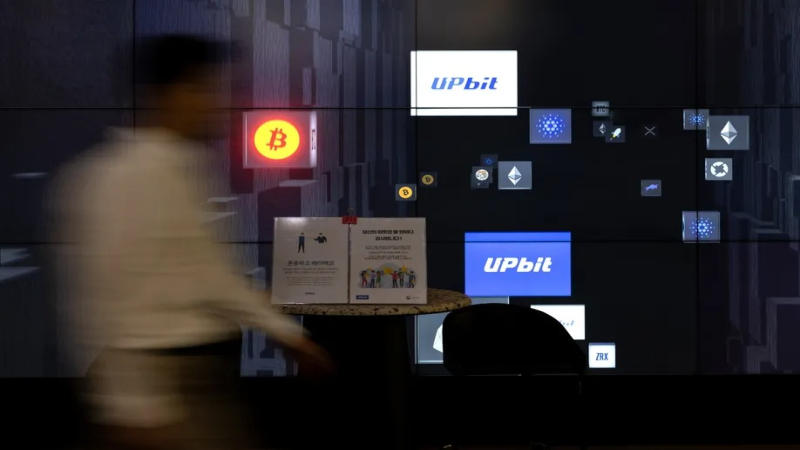
South Korea’s largest crypto exchange has been thrust into crisis after roughly thirty million dollars in digital assets were drained in a targeted exploit that authorities believe may be the work of North Korea’s Lazarus Group. The incident unfolded on Thursday when abnormal outflows were detected from Upbit’s systems, prompting immediate trading disruptions and emergency wallet lockdowns. Investigators familiar with the early findings say the breach bears the hallmarks of Lazarus operations, which have historically focused on coordinated exchange intrusions and sophisticated social engineering tactics. Government agencies and financial crime units plan to conduct an on site investigation at the exchange as they work to trace the attack path and determine whether the exploit exploited internal systems, external infrastructure or wallet management tools. South Korea has long been on high alert for crypto related cybercrime linked to Pyongyang, with officials monitoring patterns that often combine rapid asset withdrawal, mixing techniques and highly anonymized routing. The scale of the breach and the suspected involvement of a state aligned group have intensified concerns across regional markets already sensitive to digital asset security.
Early reports suggest that approximately forty five billion won worth of assets were removed from Upbit’s hot wallets before automated protections could fully trigger. Analysts watching blockchain activity noted rapid fund movement immediately after the breach, consistent with methods used in previous Lazarus linked operations across Asia. Upbit is expected to issue further updates once full wallet reconciliation is completed, but the immediate market reaction has been one of heightened caution. Korean traders reported temporary liquidity stress on several pairs as users withdrew funds for personal security, while exchanges across the region reviewed their own perimeter defenses. Security experts say the attack reflects a broader trend in which nation backed digital operations target high traffic exchanges rather than smaller decentralized venues, seeking larger pools of liquid assets that can be moved quickly. The suspected involvement of a group known for large scale cyber operations raises questions about whether additional exchanges in Asia may be under surveillance or targeted as part of a wider campaign.
The incident also highlights the persistent vulnerability of centralized exchanges despite major investments in custody and monitoring tools. Regulators in Seoul have increasingly pushed for exchanges to shift larger percentages of user funds into deep cold storage, but hot wallet usage remains necessary for real time withdrawals and trading flows. Market observers expect renewed regulatory pressure following this event, especially as South Korea continues to battle a wave of cyber activity linked to financial theft and digital espionage. For investors, the breach serves as a reminder that the security landscape remains volatile even in markets with advanced infrastructure. International cyber intelligence firms are tracking movements linked to the exploit to determine whether the assets are being funneled into known laundering channels. With global enforcement agencies monitoring blockchain movements in real time, attention is focused on whether this attack triggers coordinated countermeasures across allied cybersecurity networks. As Upbit works to restore confidence, the event underscores the high stakes of exchange security in a period where digital assets remain prime targets for sophisticated actors.