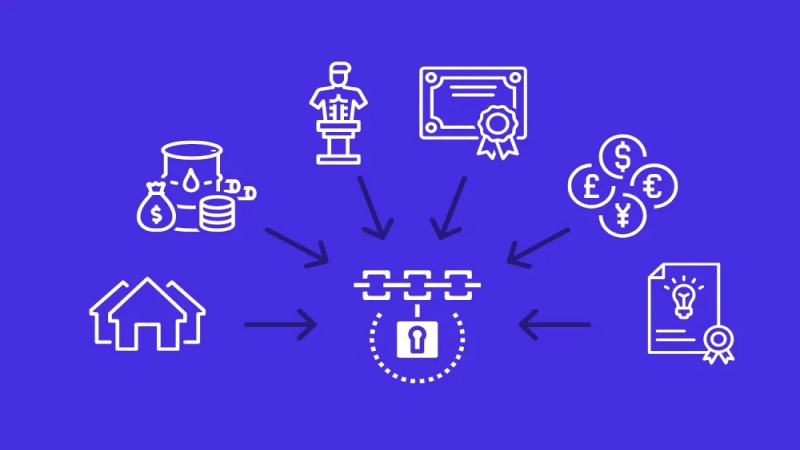
Global markets woke up to a noticeable shift this week as new tokenization rules began reshaping how assets move across borders. The updates were introduced quietly, but their impact rippled quickly through trading desks and corporate finance teams. These rules aim to standardize how tokenized assets are issued, transferred, and reported, giving institutions clearer frameworks for operating in digital markets. While the new structure is designed to improve transparency and risk management, it also forces major changes in how firms handle liquidity and cross border activity.
Traders felt the effects almost immediately. Some markets saw temporary slowdowns as platforms adjusted to the new compliance demands. Others experienced a surge in activity as firms rushed to reposition tokenized assets before the rules fully tightened. The mood across global finance circles is a mix of adjustment and anticipation. Tokenization has been expanding rapidly, and these new rules appear to mark the beginning of a more structured era that could accelerate adoption once the dust settles.
Standardized Frameworks Redefine Digital Asset Movement
The most important shift comes from new standards governing how tokenized assets must be handled during issuance and transfer. These changes focus on creating consistent rules across jurisdictions, reducing the friction caused by fragmented regulations. For institutions that operate across multiple regions, this brings the advantage of predictable requirements, but it also demands immediate adaptation to avoid compliance gaps.
The updated framework influences everything from settlement timing to verification methods. Platforms that previously used custom protocols must now align with standardized procedures, prompting upgrades across digital infrastructure. These requirements may feel strict in the short term, but they pave the way for larger institutions to engage more confidently in tokenization. The clarity reduces operational risk and opens the door for more complex cross border use cases that were difficult under inconsistent rule sets.
Corporate Treasuries Reevaluate Global Liquidity Plans
Corporate treasuries are among the biggest groups impacted by the rule changes. Many companies have been experimenting with tokenized assets to manage short term liquidity or diversify cross border holdings. The new rules push treasuries to rethink how they manage digital liquidity, especially around reporting obligations and the movement of assets between regional branches.
These adjustments also change how companies time their transfers. Some firms may front load liquidity movements to preempt compliance bottlenecks, while others will shift toward slower but more predictable schedules. The transition highlights how tokenization is evolving from an innovation trend into a regulated financial tool that demands structured oversight from treasury departments.
Trading Desks Adjust to New Friction Points
Trading desks experienced some of the earliest effects of the rule updates. Tokenized assets often move through multiple platforms and jurisdictions, and every step now requires tighter verification. This has introduced new friction points that traders must navigate. Transfers that previously took seconds may experience brief pauses while platforms update their compliance workflows.
Despite these slowdowns, most desks view the rules as positive long term developments. The increased structure reduces the risk of unexpected regulatory interruptions, which have historically disrupted tokenization markets. Traders expect that as platforms finish upgrading their systems, trade execution will normalize and possibly improve due to higher consistency across regions. In the meantime, the market is adjusting to a transitional phase where short term inefficiencies are an inevitable part of long term stability.
New Rules Accelerate Institutional Confidence
Perhaps the most interesting impact is the boost in institutional confidence. Large financial firms have long expressed interest in tokenized assets but hesitated due to unclear or inconsistent regulatory environments. The new standardized rules signal that regulators are preparing for tokenization to become a core element of global finance rather than a niche experiment.
Institutional adoption tends to follow clarity and consistency. With the new rules in place, more firms may begin integrating tokenized assets into their liquidity models, collateral frameworks, and settlement systems. This increased participation could significantly expand cross border liquidity and bring more depth to tokenized markets. What feels like disruption today may look like a foundational step in the evolution of global asset infrastructure.
Conclusion
New tokenization rules are reshaping how cross border assets move by introducing clearer standards, stronger compliance structures, and more predictable processes. While the short term adjustment creates friction across trading desks and corporate treasuries, the long term potential includes deeper liquidity, broader adoption, and stronger institutional confidence. These changes signal a pivotal moment for tokenized markets as they transition from early experimentation to structured global integration.