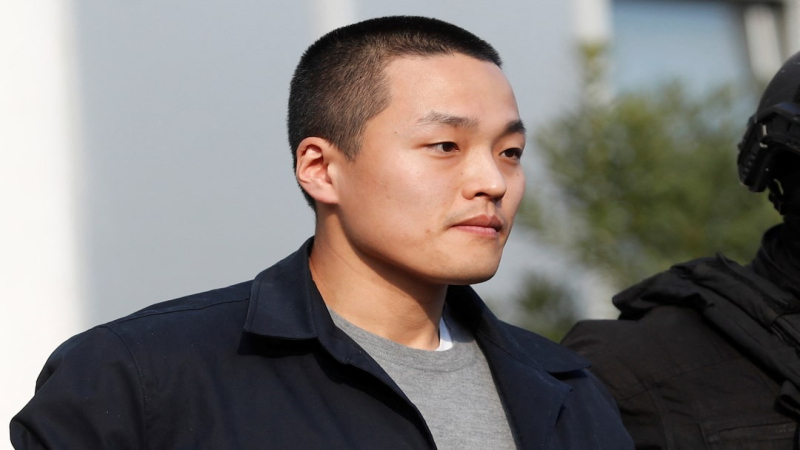
U.S. prosecutors moved sharply into the spotlight again as they called for a twelve year prison sentence for Terraform Labs co founder Do Kwon, setting the stage for one of the most closely watched moments in crypto’s legal history. The request highlights how authorities view the scale of the Terra and Luna implosion that erased tens of billions in value and triggered a wave of failures across the digital asset market. In their submission prosecutors argued that the collapse was fueled by years of misconduct and a pattern of misrepresentation that deprived users of crucial information. They said the inflated value of the project elevated Kwon’s prominence while hiding structural risks that later proved catastrophic. Defense attorneys pushed back, saying a shorter sentence of up to five years was appropriate and suggested the crisis was worsened by outside trading strategies that exploited weaknesses in the protocol. The competing narratives have intensified interest around the December sentencing date as the broader market tries to close out a year defined by renewed scrutiny.
The case stems from the breakdown of Terra USD, an algorithmic stablecoin that relied on incentives and its pairing with the Luna token to maintain parity. When the model broke, liquidity vanished and shockwaves moved through lenders, hedge funds and exchanges across the globe. Prosecutors say Kwon misled users about the stability of the system and minimized vulnerabilities that later drove the chain into collapse. Alongside criminal charges including fraud and market manipulation, investigators outlined how the fallout accelerated failures at major firms and reshaped regulatory priorities around stablecoins and high yield digital instruments. They also requested forfeiture of more than nineteen million dollars while choosing not to pursue restitution because of the complexity involved in calculating losses across thousands of investors. Legal watchers say the case continues to influence ongoing debates about whether algorithmic stablecoins can safely scale or whether they represent an unacceptable risk when paired with aggressive growth strategies.
Kwon’s legal journey has been marked by international disputes, extradition battles and parallel civil cases that expanded the scope of accountability. After his arrest abroad, authorities from multiple jurisdictions sought his return before he was eventually transferred to the United States where he later pleaded guilty to several charges. A civil jury had already found him and Terraform liable for misleading investors, adding further weight to the government’s argument for strict punishment. Prosecutors now frame the upcoming sentencing as a pivotal signal for crypto governance, emphasizing that unchecked promotion of unstable financial structures can no longer pass without consequence. Investors following the case say the outcome may shape enforcement tone into the next year as regulators confront new risks emerging from tokenized assets, alternative stablecoin designs and platforms promising accelerated returns. With sentencing set for mid December, the digital asset industry is bracing for another defining chapter in the long fallout of one of crypto’s most consequential failures.