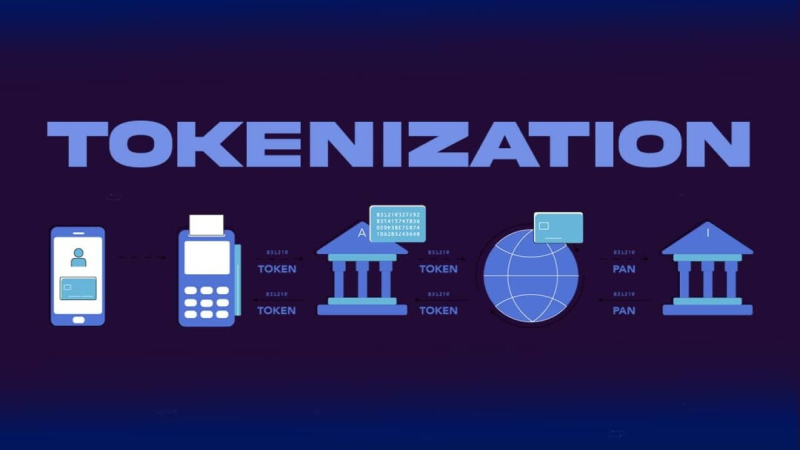
Asset managers around the world are accelerating their move into tokenized securities as the benefits of digital market infrastructure become clearer. According to the latest analysis from global financial institutions and industry groups, tokenization is no longer viewed as an experimental concept. It is becoming a practical tool for improving efficiency, transparency, and operational reliability in traditional investment markets. Large funds are exploring how tokenized versions of bonds, equities, and money market instruments can reduce costs and support more flexible portfolio strategies.
Over the past year, several major asset managers have begun pilot programs and limited rollouts that test tokenized investment products within regulated environments. These efforts are driven by the need for streamlined settlement, accurate record keeping, and better access to real time data. As digital infrastructure matures, asset managers see tokenization as a path to optimize processes that have long relied on manual workflows and legacy systems. The World Economic Forum’s 2025 report highlights how tokenization could redefine market architecture by aligning digital tools with long standing financial principles.
Why Major Asset Managers Are Moving Toward Tokenized Securities
The most important driver behind the shift is the operational efficiency gained from recording securities on distributed infrastructure. Traditional settlement cycles involve multiple intermediaries and repeated reconciliation checks. Tokenized securities reduce these steps by allowing ownership records to update instantly on a shared ledger. This creates clearer transaction histories and reduces the probability of settlement failures. Asset managers value these improvements because they support more predictable trading and reduce operational risk.
Another factor is transparency. Tokenized securities provide time stamped records that reflect real time changes in ownership. This gives asset managers a clearer view of positions across funds and strategies. It also supports more accurate reporting, which is essential for meeting regulatory requirements and providing clients with consistent information. Asset managers are increasingly drawn to systems that improve accuracy and reduce administrative burdens.
How Tokenized Securities Are Being Tested in Practice
Asset managers are testing tokenization across a range of asset classes. Fixed income is one of the most active areas because bonds rely heavily on administrative processes that benefit from automation. Tokenized bond pilots have shown that lifecycle events such as coupon payments and maturity tracking can be automated with greater accuracy. Money market instruments are also being tested because institutions require precise settlement processes for short term liquidity management.
Equities are seeing early experiments as well, particularly in environments where fractionalization can create more flexible investment structures. Tokenized platforms allow asset managers to design products that give investors more precise exposure to specific strategies. These capabilities appeal to firms that want to differentiate their offerings and improve client experience without increasing operational complexity.
Market Infrastructure Evolves to Support Tokenization
Market operators, custodians, and settlement platforms are updating their systems to integrate tokenized securities. Custodians are building digital asset functions that align with regulatory standards for safekeeping and transaction integrity. These developments provide asset managers with secure environments where tokenized securities can be stored and transferred.
Settlement platforms are testing how tokenized assets can move alongside traditional instruments. This hybrid approach allows asset managers to use digital tools without abandoning established market processes. The integration of digital infrastructure with existing systems is helping tokenization scale gradually and safely. The WEF report emphasizes that tokenization does not require a complete overhaul of financial markets but instead enhances the efficiency of current structures.
Regulatory Alignment Encourages Institutional Adoption
Regulators are increasingly acknowledging the role of tokenized securities in modern financial markets. Several jurisdictions have issued guidelines that clarify expectations for tokenized products, including how they should be recorded, traded, and verified. These developments give asset managers greater confidence in adopting digital systems that comply with familiar supervisory frameworks.
Standardization is becoming a priority as well. Global authorities and industry groups are working on frameworks that define how tokenized assets should be issued and managed. Clear standards help ensure interoperability across markets and reduce operational risk. This regulatory momentum supports long term institutional adoption.
Conclusion
Asset managers are moving on chain as they recognize the value of tokenized securities for improving efficiency, transparency, and operational accuracy. With support from evolving market infrastructure and clearer regulatory guidelines, tokenization is becoming a practical tool for modern portfolio management. As large funds continue to experiment with digital rails, tokenized securities are positioned to play a major role in the next generation of global investment markets.