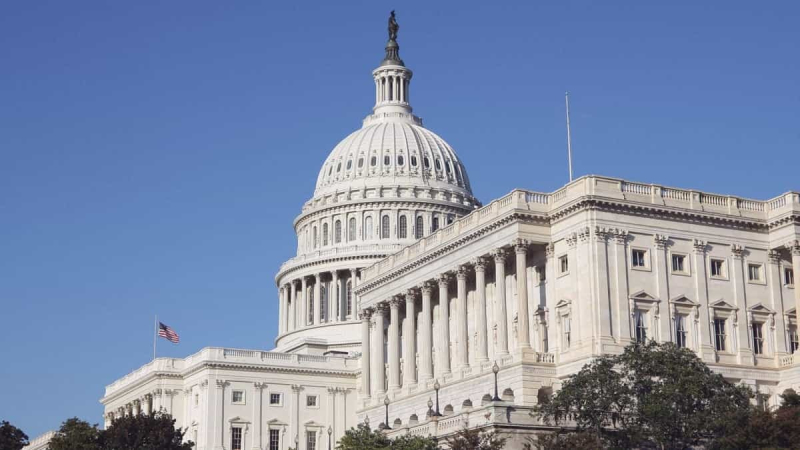
The US Senate is approaching a decisive moment on comprehensive crypto legislation as negotiations intensify around issues that could determine whether the bill advances or stalls. Lawmakers are working against a tight timeline with committee votes expected soon, creating urgency across both parties. The draft legislation is designed to bring long sought clarity to the digital asset market by defining regulatory boundaries and establishing a framework for oversight. However, political and policy disputes are complicating progress, leaving the bill’s path uncertain. Industry participants and investors are closely watching the process, aware that failure to secure bipartisan support at this stage could delay regulatory clarity for years. With crypto markets increasingly intertwined with payments, banking, and capital markets, the outcome is being viewed as a turning point not only for the industry but also for the broader financial system adapting to digital assets.
A central point of contention remains how stablecoins should be treated within the regulatory framework, particularly around yield and incentives. Banking groups have raised concerns that allowing yield on stablecoins could divert deposits away from traditional banks, potentially impacting community lending and financial stability. At the same time, crypto firms argue that overly restrictive rules would undermine innovation and limit consumer choice. Proposed compromises aim to strike a balance by allowing certain forms of yield tied to active use while preventing stablecoins from functioning as passive interest bearing accounts. This debate reflects a broader tension between protecting the existing banking system and enabling new forms of digital finance. How lawmakers resolve this issue could shape the role stablecoins play in payments, savings, and onchain settlement in the coming years.
Beyond stablecoins, political considerations tied to conflicts of interest are adding another layer of complexity. Some lawmakers are pushing for explicit ethics provisions addressing the involvement of senior political figures and their families in crypto ventures. These concerns have become increasingly prominent as digital asset businesses linked to high profile individuals expand their footprint. Supporters of stronger ethics language argue it is necessary to preserve public trust and ensure fair rulemaking, while others warn that reopening these debates could derail the legislation entirely. The disagreement highlights how crypto regulation has become entangled with broader political dynamics, making consensus harder to achieve. As negotiations continue, the balance between policy substance and political optics is proving difficult to manage.
The stakes are heightened by the approaching election cycle, which is influencing how both parties assess the risks and rewards of compromise. The crypto industry has become more organized politically, with advocacy groups and political funding playing a visible role in shaping lawmakers’ positions. In a closely divided Congress, even small shifts in support could determine the bill’s fate. Supporters argue that passing the legislation would provide certainty that encourages investment and keeps innovation onshore, while critics caution against moving too quickly without resolving outstanding risks. The next several days are expected to be pivotal as lawmakers decide whether enough common ground exists to move forward. The outcome will signal whether the US is prepared to establish a durable regulatory framework for digital assets or remain locked in uncertainty as the market continues to evolve.