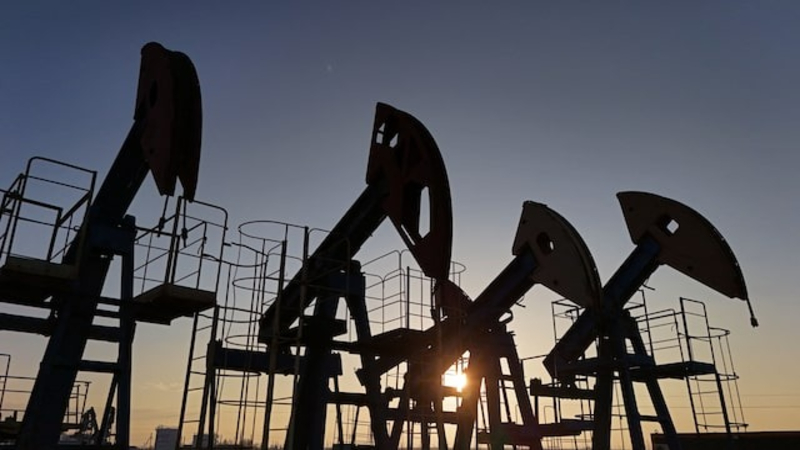
Oil prices moved higher as markets reassessed geopolitical risks tied to key producing regions, with unrest in Iran and escalating conflict linked to Russia shifting attention back to potential supply disruptions. Brent and U.S. crude both extended gains after consecutive advances earlier in the week, reflecting renewed sensitivity to political instability rather than demand signals. Protests across Iran’s major cities, combined with reports of communication blackouts, have raised concerns that oil output could face interruptions if unrest intensifies. Iran remains a critical supplier within the global market balance, and any prolonged disruption would tighten conditions even as inventories remain elevated. Traders noted that price action suggests a reassessment of downside risk after weeks of oversupply driven pressure, particularly as geopolitical headlines returned to the forefront of energy trading.
Supply concerns were also amplified by developments tied to Russia’s ongoing conflict with Ukraine. Reports of expanded strikes targeting energy related infrastructure have reinforced fears that disruptions could extend beyond regional markets and impact broader supply flows. While Russian exports have remained resilient, the risk premium associated with conflict escalation has reentered oil pricing models. At the same time, data indicating that output from some producers declined last month added to the cautious tone. Iran and Venezuela were among those posting notable reductions, underscoring how political conditions continue to influence production capacity. Despite these risks, analysts caution that rising global inventories still represent a counterweight, limiting the scope for sustained rallies unless geopolitical conditions deteriorate further.
Attention has also turned to Venezuela, where discussions around oil exports and future investment have become a focal point for policymakers and energy companies. The White House is expected to engage with firms and trading houses to outline how Venezuelan oil held in storage may be marketed and delivered. The outcome of these talks is being closely watched, as the release of accumulated inventories could temporarily ease supply tightness while reshaping regional trade flows. Market participants view Venezuela as a potential swing factor, with decisions around access and distribution likely to influence price expectations in the near term. However, uncertainty around governance and infrastructure continues to cloud projections for sustained output increases.
Broader indicators suggest that while geopolitical risks are driving short term price strength, structural oversupply remains an underlying constraint. Rising inventories and modest demand growth limit upside unless disruptions materially affect exports from major producers. In the United States, drilling activity edged lower again, signaling cautious capital deployment despite recent price gains. This combination of elevated risk premiums and persistent surplus conditions has left markets highly reactive to headlines. For now, oil prices appear caught between immediate geopolitical uncertainty and longer term supply abundance, with traders weighing whether recent gains reflect a temporary repricing of risk or the early stages of a more durable shift in sentiment.