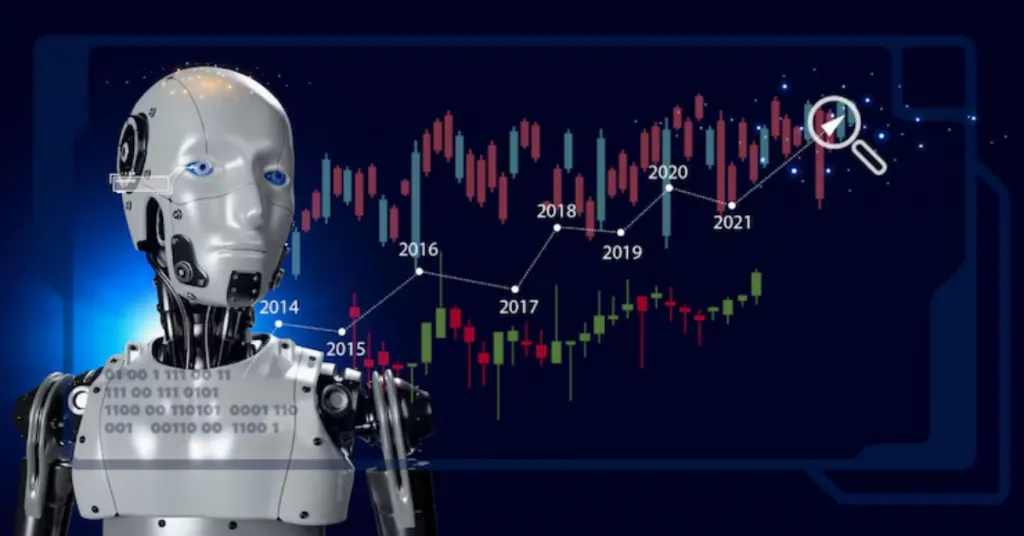
Artificial intelligence has become an essential technology for strengthening oversight in modern financial systems. Regulators are using AI to monitor markets more effectively, detect unusual behavior, and enforce compliance across rapidly evolving digital environments. As financial activity becomes more complex, traditional supervision methods are no longer enough to track risks in real time. AI provides the speed, accuracy, and data processing power regulators need to stay ahead of emerging threats.
Governments and financial authorities are also exploring how AI can enhance policy development. Economic conditions shift quickly, and decisions on interest rates, liquidity measures, and market protections require timely insights. AI tools help analyze large datasets, simulate policy outcomes, and highlight patterns that influence long term financial stability. This combination of monitoring and policy automation is shaping a more advanced regulatory framework for the digital age.
Why AI Is Transforming Regulatory Monitoring
AI is transforming regulatory monitoring by allowing authorities to analyze financial markets at a scale that was previously impossible. Modern financial systems generate vast amounts of data daily, including transactions, loan records, asset movements, and market activity. AI tools examine these datasets instantly, making it easier to identify irregular patterns that may indicate fraud, manipulation, or systemic risk. This rapid detection gives regulators more time to respond and prevents problems from spreading across sectors.
AI also enhances transparency. Regulators can use machine learning to track how different institutions behave, compare trends between markets, and detect potential compliance issues early. These insights help authorities create more informed rules and provide guidance to financial firms. By improving visibility, AI supports stronger, more proactive monitoring that reduces the likelihood of unexpected market disruptions.
Advanced Analytics for Risk Detection
One of the most useful applications of AI in regulatory oversight is advanced risk detection. Machine learning models identify subtle changes in transaction flows, liquidity movements, and trading behavior. These patterns can signal emerging risks long before traditional oversight tools notice them. Early warnings help regulators investigate suspicious activity quickly and reduce financial vulnerabilities that might harm consumers or institutions.
AI also supports stress testing. Regulators use simulations to evaluate how financial systems react to different scenarios, such as economic downturns or sudden market shocks. AI enhances these simulations by processing large datasets and generating more accurate projections. This helps authorities strengthen risk management frameworks and prepare for unexpected challenges.
Improving Compliance With Automated Tools
Compliance requirements are becoming more complex as digital finance expands. AI helps streamline oversight by automating the review of financial reports, transaction records, and regulatory submissions. Automation reduces manual workload and increases accuracy, helping regulators identify errors or inconsistencies that need further investigation.
Financial institutions can also benefit from AI driven compliance systems. These tools help firms ensure that they follow rules consistently and maintain proper documentation. By reducing human error, AI supports smoother communication between regulators and market participants. This creates a more efficient regulatory environment that encourages responsible financial operations.
AI’s Role in Policy Development and Economic Insights
AI is increasingly used to support policy development by analyzing economic conditions and predicting outcomes of potential decisions. Policymakers rely on economic models to understand how changes in interest rates, lending conditions, or fiscal measures will affect growth and stability. AI improves these models by identifying relationships between variables that traditional methods might miss.
Real time data analysis allows policymakers to respond more effectively to emerging economic pressures. Whether the issue involves inflation, liquidity shortages, or currency fluctuations, AI provides faster insights that support informed decision making. This strengthens the overall quality of economic policy and helps maintain long term stability across financial markets.
Conclusion
AI is reshaping regulatory monitoring and policy development by improving oversight, enhancing risk detection, and supporting data driven decision making. As financial systems grow more complex, AI provides regulators with the tools they need to maintain stability and protect market participants. With continued adoption, AI will remain a central part of modern regulatory frameworks and economic planning.