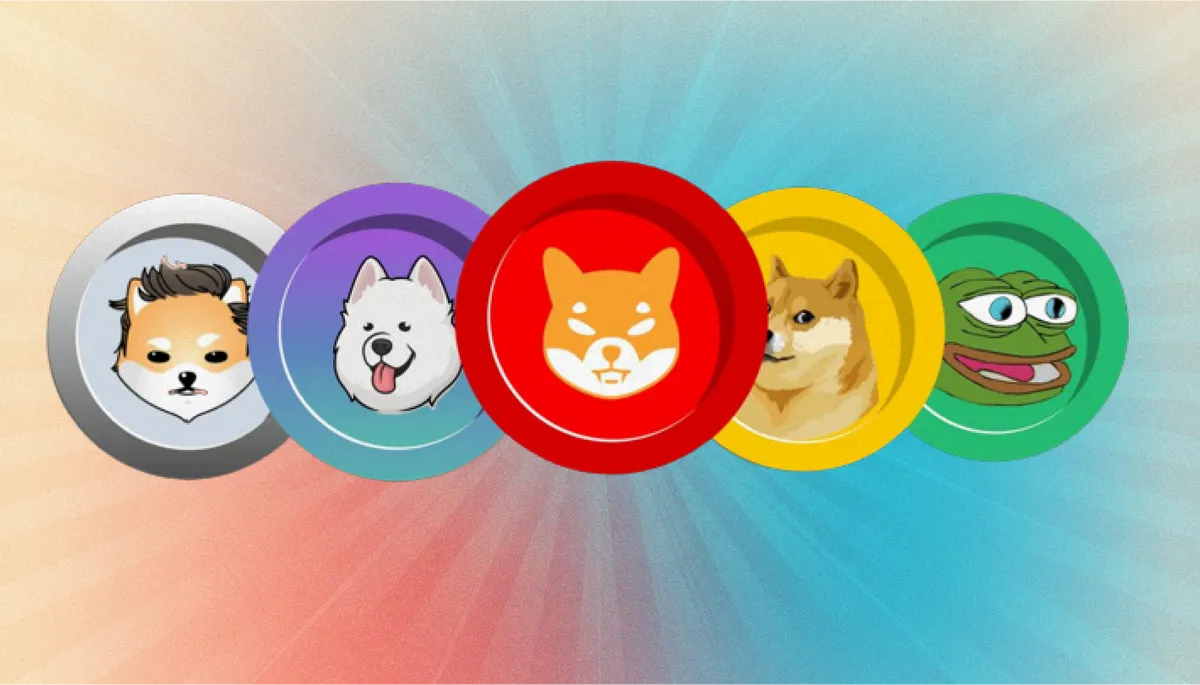
Synthetic personalities raise funds through token launches.
A New Twist in Meme Coin Mania
In 2025, meme coins are evolving in unexpected ways as AI-generated influencers begin launching their own tokens. What started as internet humor has now become a fusion of artificial intelligence, community culture, and speculative finance. Synthetic personalities, powered by generative models, are promoting meme coins directly to their followers, creating entire ecosystems where humor, identity, and trading collide.
Why AI Influencers Are Powerful Promoters
AI influencers have gained massive traction on TikTok, YouTube, and Instagram by blending relatability with 24/7 availability. Unlike human influencers, they never tire, never make mistakes, and can interact with millions simultaneously. When these personalities launch meme coins, their promotional power is unmatched. Communities form instantly, treating AI influencers as digital celebrities whose tokens carry both entertainment and financial appeal.
Retail Traders Buy into the Hype
Retail users are flocking to AI-driven meme coins, drawn by a mix of curiosity, fun, and the chance to profit. On Discord and Telegram, tutorials and memes circulate about “owning a piece” of an AI influencer’s personality. Fans treat tokens not just as investments but as cultural artifacts, proof of belonging to digital communities. Memes portray coins as “fan badges,” turning speculative assets into expressions of identity. For Gen Z, this blurring of fandom and finance is irresistible.
Whales Amplify the Trend
Whales are capitalizing on the hype cycle by seeding liquidity pools for AI influencer coins. Large wallets profit from early adoption, driving up token values before retail inflows peak. Some whales are even funding developers to create bespoke AI influencers designed specifically to launch meme coins. This industrialization of the trend raises concerns about manipulation, but it also demonstrates how whales shape culture as much as markets.
AI Dashboards Showcase Token Activity
AI dashboards are fueling the frenzy by tracking meme coin performance in real time. Push notifications highlight sudden surges in trading volume or spikes in wallet holders. Screenshots of alerts such as “AI influencer token doubles in value within 24 hours” circulate widely across social media. For retail traders, these dashboards are both financial tools and cultural validation, amplifying the hype and keeping communities engaged.
Institutions Observe from the Sidelines
Institutions remain cautious but curious. While most traditional players avoid direct exposure to meme coins, marketing agencies and entertainment firms are studying the trend. Some are exploring partnerships where AI influencers represent brands while tying promotions to tokenized incentives. These experiments suggest a future where digital marketing and token launches intersect more formally, potentially pulling meme coins into mainstream advertising strategies.
Cultural Narratives of Digital Celebrity
Culturally, AI influencer meme coins are framed as the next evolution of celebrity culture. Memes depict AI personalities as “crypto idols” whose tokens act as fan merchandise. Influencers highlight the idea that digital celebrities never fade, ensuring tokens maintain relevance as long as algorithms keep generating content. For Gen Z, the narrative blends entertainment and investment into a seamless cultural experience, making trading feel like participating in fandom.
Risks That Shadow the Hype
Despite excitement, risks loom large. Many AI influencer coins collapse within weeks, leaving retail investors with heavy losses. Scammers exploit the trend by creating fake AI personalities or copycat tokens. Analysts warn that without regulation or transparency, the hype cycle could erode trust in both meme coins and AI-driven marketing. Retail participants are advised to view these tokens as cultural experiments rather than reliable investments.
Global Spread of the Phenomenon
The trend is global. In Asia, AI influencers tied to anime aesthetics are launching tokens that attract massive retail attention. In Latin America, AI-generated musicians are issuing coins linked to fan clubs. Across Europe and Africa, localized AI personalities are creating culturally tailored meme coins. This universality underscores how humor, fandom, and speculation transcend borders in the digital age.
Conclusion
AI influencers launching meme coins in 2025 mark a new chapter in the fusion of technology and culture. Retail traders embrace them as symbols of identity, whales amplify their growth, AI dashboards track activity, and institutions cautiously observe. Cultural narratives frame them as digital celebrity merchandise, while risks of scams and collapse persist. The phenomenon highlights how finance and fandom continue to merge, proving that in the age of AI, even synthetic personalities can mint communities and move markets.