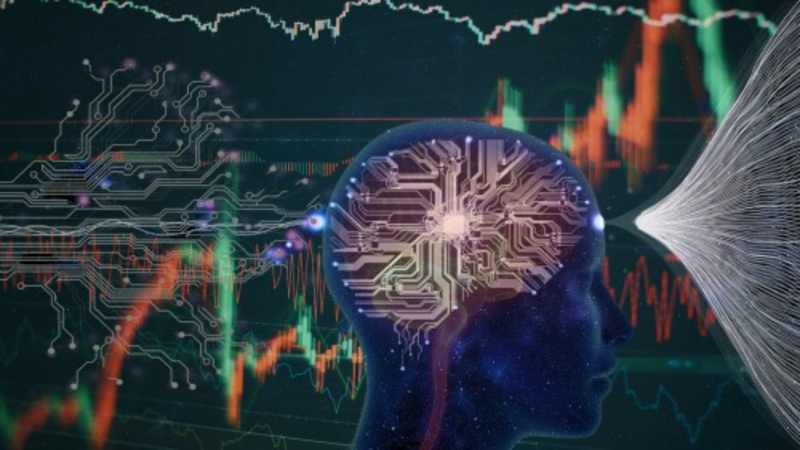
For years, artificial intelligence was framed as a forecasting tool. Models analyzed historical data, searched for patterns, and attempted to predict future price movements. While these tools improved efficiency, their influence remained indirect. That phase is ending. Today, AI is no longer just observing markets. It is participating in them.
As AI systems become embedded in trading, risk management, and liquidity provision, they begin to influence how markets behave. Prices move not only in response to human decisions but also to algorithmic reactions happening at machine speed. This shift changes the nature of market dynamics and challenges traditional assumptions about prediction and control.
How AI Actively Influences Market Structure
AI shapes markets by altering how information is processed and acted upon. Machine learning models scan vast data sets in real time, responding to signals faster than human traders ever could. When many participants rely on similar tools, their reactions collectively influence price formation.
This creates feedback loops. AI driven strategies respond to volatility, volume, and sentiment, which in turn affect those same variables. Markets become more reflexive, with behavior shaped by the interaction of algorithms rather than purely by fundamentals. This does not eliminate human influence, but it compresses decision cycles.
AI also affects market structure through liquidity provision. Automated systems adjust bid and ask levels continuously, influencing spreads and depth. During stable conditions, this can enhance efficiency. During stress, it can amplify moves as models react simultaneously to changing signals.
From Prediction to Participation
The distinction between prediction and participation is critical. Predictive tools analyze markets from the outside. Participatory systems operate within them. Modern AI does the latter. It executes trades, reallocates capital, and manages risk dynamically.
This shift means that AI outcomes are not neutral forecasts. They are actions that influence other participants. When AI systems anticipate a move and act on it, they help create the conditions they were designed to detect. This blurs the line between signal and outcome.
As a result, traditional back testing becomes less reliable. Models trained on past behavior may change the future they attempt to predict. Markets evolve in response to the tools used to navigate them.
Implications for Volatility and Liquidity
AI driven participation has mixed effects on volatility. In calm periods, automation can dampen noise by smoothing execution and improving price discovery. Liquidity becomes more consistent, and transaction costs fall.
In contrast, during uncertainty, synchronized responses can increase volatility. If multiple systems interpret the same signal as risk, liquidity may withdraw rapidly. This dynamic has been observed in various market episodes where speed magnifies movement.
Liquidity itself becomes more conditional. It is present when models are confident and retreats when uncertainty rises. Understanding this behavior is essential for interpreting market signals in an AI influenced environment.
Why Human Oversight Still Matters
Despite AI’s growing role, markets are not autonomous systems. Human decisions shape the objectives, constraints, and risk tolerances embedded in models. Oversight determines how AI responds to uncertainty and when intervention is required.
Strategic judgment remains critical. Humans decide which signals matter and which risks are acceptable. AI executes within those parameters. The interaction between human intent and machine execution defines modern market behavior.
This balance will continue to evolve. As AI becomes more sophisticated, governance and transparency become more important. Markets benefit when participants understand not just what AI does, but how it influences outcomes.
Conclusion
AI no longer sits on the sidelines predicting markets. It actively shapes them through speed, scale, and participation. This transformation changes how prices form, how liquidity behaves, and how risk propagates. Understanding markets today requires recognizing AI not as a forecasting tool, but as a structural force embedded in the system itself.