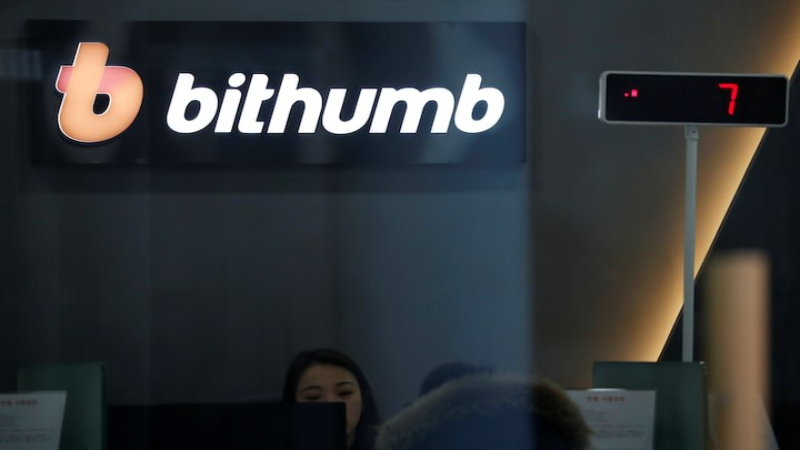
South Korea’s financial regulator has called for tougher cryptocurrency regulations following an unprecedented operational failure at a major domestic exchange that briefly sent shockwaves through local crypto markets. The incident, involving the accidental distribution of more than $40 billion worth of bitcoin by Bithumb, has renewed concerns about systemic risks, internal controls, and the readiness of digital assets to be treated as part of the mainstream financial system.
The error occurred when Bithumb mistakenly credited customers with large amounts of bitcoin as part of what was intended to be a promotional reward campaign. The scale of the giveaway triggered immediate selling pressure on the exchange, contributing to short term market disruption before trading was suspended. Financial authorities later confirmed that the majority of the mistakenly distributed assets were successfully recovered.
Lee Chan jin, governor of the Financial Supervisory Service, said the incident exposed structural weaknesses in the electronic systems that underpin virtual asset platforms. Speaking at a press briefing on February 9, he noted that the episode highlighted the urgent need to strengthen regulatory mechanisms as digital assets move closer to integration with the traditional financial sector. According to Lee, authorities are reviewing multiple areas of concern, with particular attention on system integrity and operational safeguards.
South Korea has already taken steps to tighten oversight of the crypto industry. The Virtual Asset User Protection Act, which came into force in July 2024, was introduced in response to market turmoil sparked by the collapse of major cryptocurrencies in 2022. That law focused on investor protection, custody standards, and transparency. However, regulators now believe additional legislation is required to address broader risks, including technology failures and market stability.
The government is preparing a follow up bill that would expand regulatory control over digital assets. At the same time, policymakers are debating the potential introduction of won denominated stablecoins, an area that remains sensitive due to concerns about monetary stability and consumer protection. The Bithumb incident is likely to influence how quickly and how far these initiatives progress.
Initial findings from regulators show that roughly 99.7 percent of the bitcoin mistakenly credited to users was recovered. Of the smaller portion that was sold before transactions were halted, most of the proceeds have also been clawed back. Authorities stressed that users who sold the assets are legally obligated to return them, reinforcing the principle that operational errors do not transfer legitimate ownership.
The episode has also raised questions about so called ghost coins, situations where exchanges appear to credit more digital assets than they actually hold. Regulators have signaled that such issues must be fully resolved before cryptocurrencies can be treated on par with legacy financial instruments. Officials also expressed caution about approving spot bitcoin exchange traded products, arguing that greater stability is needed before moving forward.
For South Korea’s crypto sector, the timing is particularly delicate. Industry participants had been anticipating a more supportive policy environment, including consolidation and investment activity. Instead, the incident may delay those expectations as regulators reassess the balance between innovation and risk control.