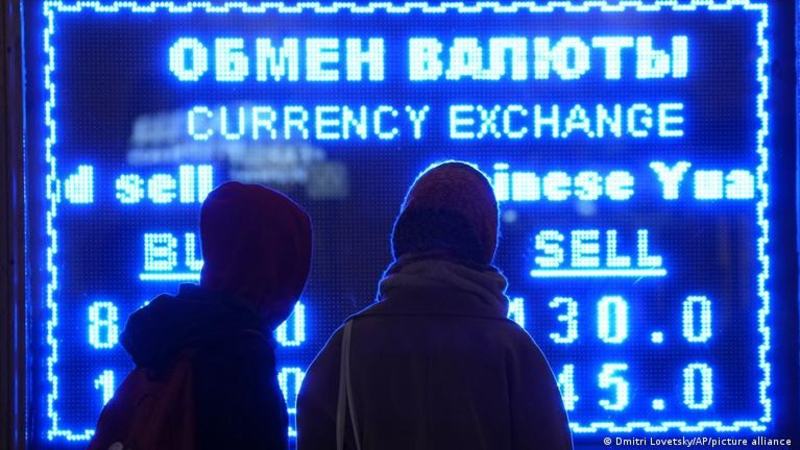
Blockchain analytics firm Elliptic has reported that several cryptocurrency exchanges with ties to Russia continue to facilitate transactions connected to sanctioned entities, underscoring persistent challenges in enforcing Western financial restrictions.
In its latest findings, Elliptic identified platforms including Bitpapa, ABCeX, Rapira and Aifory Pro as key conduits in processing billions of dollars in digital asset flows. According to the report, portions of these transactions were directed toward exchanges that have already been sanctioned, including Garantex.
Elliptic said the exchanges enable users to convert rubles into cryptocurrencies, transfer funds across borders outside traditional banking rails, and cash out through overseas brokers or trading venues. These pathways, the firm noted, can reduce reliance on the conventional financial system and complicate sanctions enforcement efforts by regulators.
Western governments imposed sweeping sanctions on Russia following its full scale invasion of Ukraine in 2022, targeting sectors such as energy, finance and strategic goods. The European Union froze an estimated 250 billion dollars in Russian assets, while the United Kingdom blocked tens of billions more. Despite these measures, digital assets have increasingly been cited as alternative channels for cross border value transfer.
The report builds on prior research highlighting the role of stablecoins in sanctions related activity. Separate industry data has shown that illicit entities received significant volumes of stablecoins in 2025, with sanctions linked flows accounting for the majority of flagged transactions. Ruble pegged and dollar denominated tokens have both been used to facilitate transfers that may bypass conventional compliance checks.
Among the platforms highlighted, Bitpapa was previously sanctioned by the United States Treasury’s Office of Foreign Assets Control in March 2024. Elliptic estimated that nearly 10 percent of its outgoing crypto flows were directed to sanctioned entities, including a notable share sent to Garantex. The firm also alleged that wallet rotation techniques were used to make transaction tracing more difficult.
ABCeX, which operates from Moscow’s Federation Tower, was reported to have processed at least 11 billion dollars in crypto transactions, including transfers linked to sanctioned exchanges. Rapira and Aifory Pro were also cited for facilitating flows connected to restricted entities.
The findings emphasize the ongoing role of crypto infrastructure in global financial networks tied to sanctioned actors. As regulatory scrutiny intensifies, analytics firms and enforcement agencies continue to monitor how decentralized systems intersect with geopolitical restrictions and cross border capital movements.