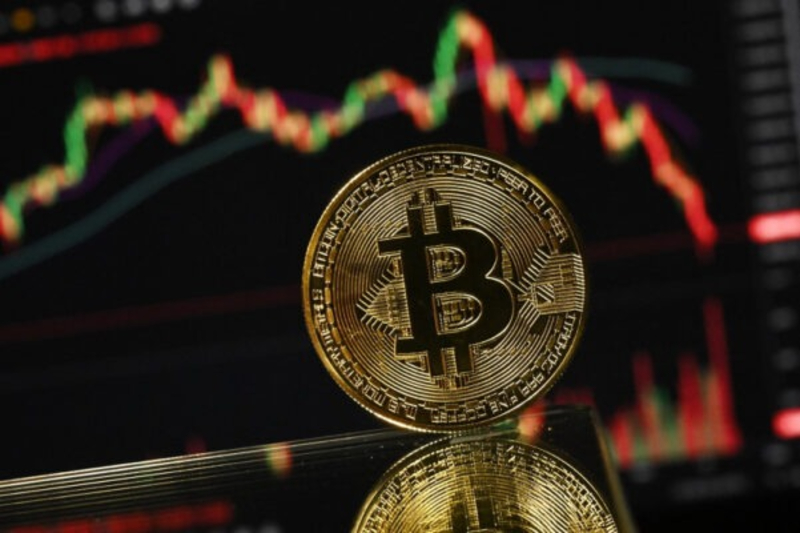
Bitcoin and global equity markets regained some stability after an early week selloff triggered by escalating geopolitical tensions and a sharp rise in oil prices. The largest cryptocurrency recovered above the seventy thousand dollar level after briefly dropping toward sixty five thousand dollars during the market turmoil. Equity markets showed a similar rebound as futures linked to major stock indexes climbed from recent lows. However while risk assets have stabilized, bond markets are sending a more cautious signal as rising yields suggest investors are reassessing the outlook for inflation and future monetary policy.
The initial market shock emerged as tensions intensified around a conflict involving the United States, Israel and Iran. Reports that Iranian forces had disrupted oil shipments moving through the Strait of Hormuz caused crude prices to surge and triggered a rapid shift toward risk aversion across global markets. Oil supply routes through the strait represent one of the most critical energy corridors in the world and any disruption can quickly influence global inflation expectations. Markets began to stabilize after the United States moved to reassure shipping companies by offering naval escorts and additional protection for tankers transporting oil and gas through the region.
Despite the rebound in bitcoin and equities the bond market continues to reflect concern about longer term economic conditions. The yield on the ten year United States Treasury note has climbed steadily over several trading sessions while the two year yield has also risen sharply. Bond yields move in the opposite direction of prices and rising yields typically signal expectations of stronger inflation or tighter monetary policy. Traders are now reassessing whether the Federal Reserve will be able to reduce interest rates in the near future if higher energy prices begin feeding into broader inflation across the economy.
Energy price shocks have historically created difficult situations for central banks because they tend to push inflation higher even when economic growth begins to slow. If oil prices continue rising for an extended period they could influence transportation costs, supply chains and consumer prices across multiple sectors. Analysts say these inflation risks are one reason bond markets appear more cautious than equity or cryptocurrency markets. Rising yields suggest that investors are preparing for a scenario where interest rates remain elevated longer than previously expected.
Recent economic data from the United States has also contributed to the shift in expectations. Indicators from the services sector show that economic activity continues to expand while private sector employment data indicates steady job creation. Stronger economic data combined with rising energy costs could make policymakers more reluctant to reduce borrowing costs quickly. Futures markets tracking Federal Reserve policy expectations show that the probability of multiple interest rate cuts this year has declined significantly compared with earlier forecasts before the geopolitical tensions intensified.
Market observers note that geopolitical energy shocks often influence financial markets gradually rather than immediately. Oil prices can continue rising for weeks after an initial disruption as supply chains adjust and inventories respond to new conditions. If the current tensions persist or physical disruptions to oil shipments increase, inflation pressures could build further and place additional constraints on risk assets. Under those conditions both cryptocurrency markets and equities may face renewed volatility as investors weigh the balance between economic growth, inflation risks and central bank policy decisions.