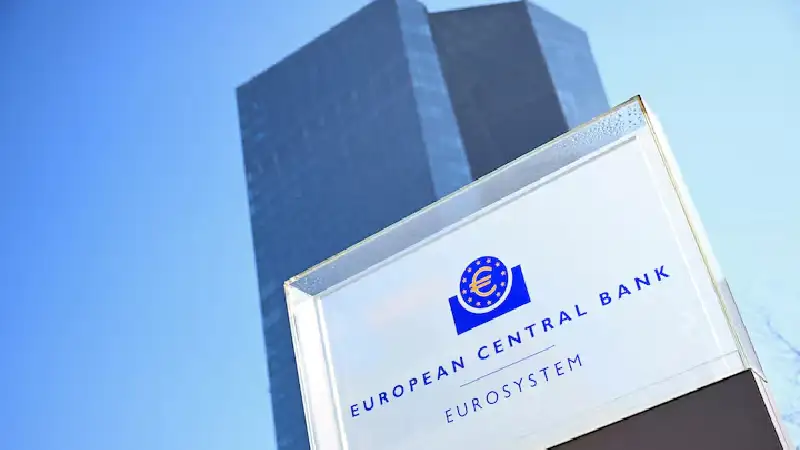
The European Central Bank may begin discussions on interest rate hikes in April, with an actual policy move more likely in June, according to sources familiar with the matter. The ECB held its key interest rate steady at 2 percent, citing uncertainty from the ongoing Middle East conflict and rising energy costs that are clouding the outlook for growth and inflation across the eurozone. The escalation in Iran has forced the bank to reconsider its baseline economic projections, which were based on Brent crude prices of $81.3 a barrel this year and near $70 in the following years, compared with current prices above $110.
Sources said the recent surge in oil prices has rendered previous assumptions outdated, prompting ECB officials to monitor energy market developments closely before deciding on monetary tightening. While an April rate hike cannot be entirely ruled out, it would likely require a dramatic jump in crude prices, with one source suggesting a threshold of around $200 per barrel. Most officials, however, expect the bank to delay action until June, when more data on energy costs and broader economic impact will be available, allowing for a more informed policy decision.
The ECB’s caution reflects concerns over how energy price volatility could affect inflation and economic activity. Rising oil costs contribute to higher production and transportation expenses, which can feed into consumer prices and slow growth if left unchecked. By signaling possible rate increases later in the year, the bank aims to anchor inflation expectations while retaining flexibility to respond to further market shocks. Analysts note that the ongoing Middle East conflict has introduced additional uncertainty, making the ECB’s planning for the eurozone economy particularly challenging in the coming months.
Investors are closely watching central bank signals as higher energy prices and geopolitical tensions add pressure to global markets. The ECB’s June timeline would provide policymakers with a clearer picture of the trajectory of oil prices, their impact on inflation, and the resilience of the eurozone economy. Market participants are weighing scenarios ranging from modest rate adjustments to more aggressive tightening if energy costs continue to rise. The bank’s communications and policy decisions in the next few months are expected to guide expectations for borrowing costs, currency performance, and investment strategies across the region.