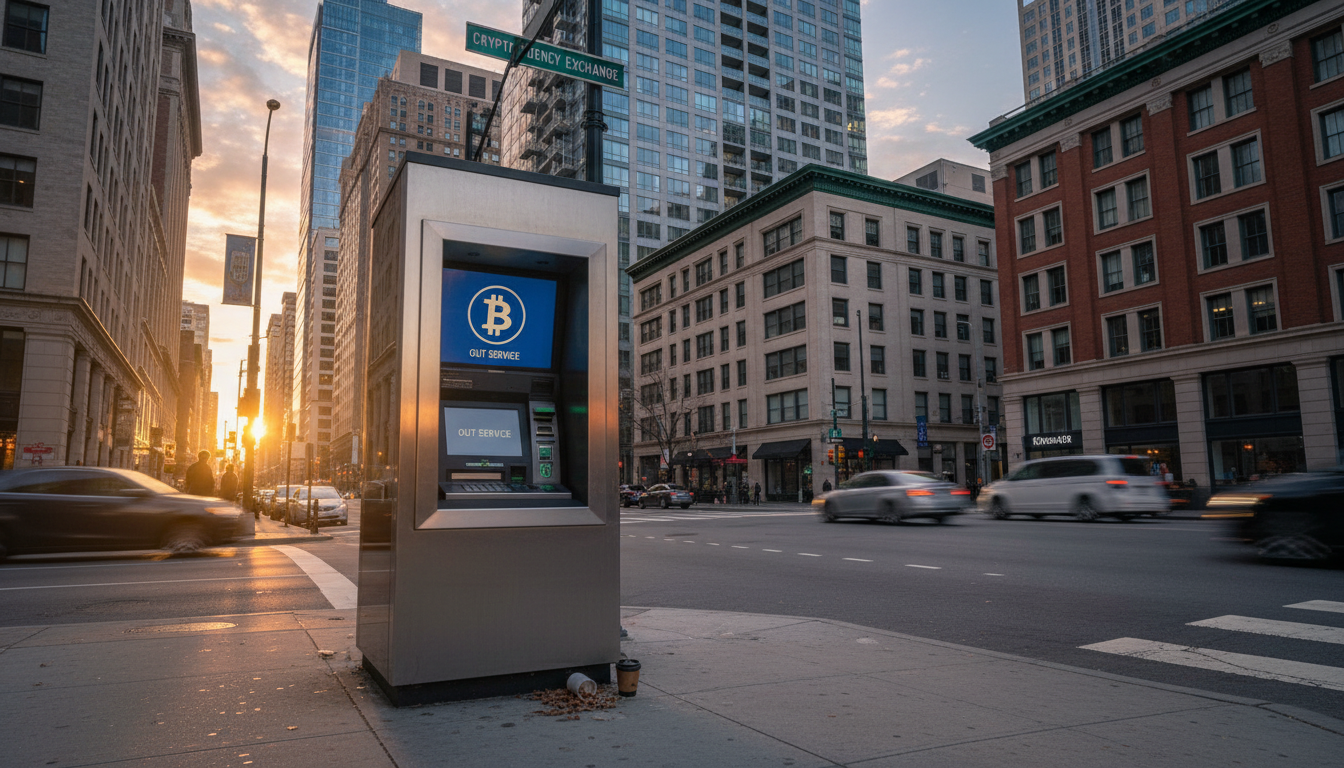
Bitcoin Depot’s Bankruptcy Filing Details
Bitcoin Depot moved into court protection as it began a Chapter 11 process focused on keeping machines operating while it negotiates with creditors. In the initial filings, the company described plans to pursue an asset sale and to use the bankruptcy court to manage obligations tied to leases, vendors, and other contracts. A Live docket review on the bankruptcy court site will guide near term milestones as the case calendar forms and creditors organize. The filing frames the effort as a restructuring pathway rather than an immediate liquidation, with management saying it will keep servicing customers where possible. Today, the company said it expects normal customer transactions to continue during the early phase.
Impact of Regulatory Pressures on Bitcoin Depot
Regulatory pressure is central to how operators explain rising compliance costs around Bitcoin ATM networks, especially for customer verification and transaction monitoring. In a related market context, Stablecoins as DeFi Safe Havens Under Market Stress has tracked how tighter scrutiny shifts user behavior toward stablecoins during periods of stress. In court papers, Bitcoin Depot Chapter 11 is presented as a way to address legacy obligations while adapting to evolving oversight, including state level licensing and anti money laundering controls. Today, compliance advisers said on the record that programs typically require ongoing audits, training, and vendor tooling. An Update in the case record is expected to clarify which operational regions remain active.
Market Reaction to the Chapter 11 Announcement
Public market pricing reacted abruptly after the company disclosed the Chapter 11 filing and outlined the restructuring track. Reuters reported the stock dropped 71% in premarket trading following the announcement, reflecting investor concern about dilution, impaired equity value, and uncertainty around an asset sale. Traders also watched broader crypto equities, and CoinDesk noted in its analysis that shifting institutional conditions can redirect capital flows across the sector as Galaxy receives New York BitLicense for institutional crypto push. Live pricing remained volatile as participants assessed whether vendors, landlords, and processors would keep contracts in place. An Update later in the session focused on liquidity and any court approved financing disclosures.
Future of Bitcoin ATMs After Depot’s Shutdown
Any reduction in deployed machines would reshape local cash to crypto access, especially where retail kiosks served as the simplest on ramp for first time users. Operators say a Bitcoin ATM footprint depends on payment processing, retail partnerships, and compliance checks that can tighten quickly when counterparties reprice risk. In the wider payments lane, Oobit Brings Tether Crypto Payments Into Colombia shows how stablecoin rails are competing for consumer transactions and merchant acceptance. Live industry commentary has emphasized that kiosk economics hinge on fee tolerance and uptime, not just coin prices. Today, several kiosk operators said publicly that they are reviewing site contracts and monitoring any Update on equipment transfers tied to a court supervised sale.
Industry Responses to Bitcoin Depot’s Challenges
Peers and service providers are treating the case as a test of how quickly compliance and retail distribution can be restructured under court oversight. Bankruptcy attorneys noted in Live interviews with major financial media that Chapter 11 outcomes often depend on whether a buyer is ready to assume leases and maintain service agreements. Bitcoin Depot Chapter 11 also puts attention on transaction monitoring vendors and cash logistics partners, which can influence whether machines stay active during a sale process. Today, analysts emphasized that user demand may persist, but margins can compress as rules and monitoring expectations increase. Another Update is likely once the company submits first day motions and the court rules on contract assumption timelines and any proposed bidding procedures.