Oobit’s Strategic Move into Colombia
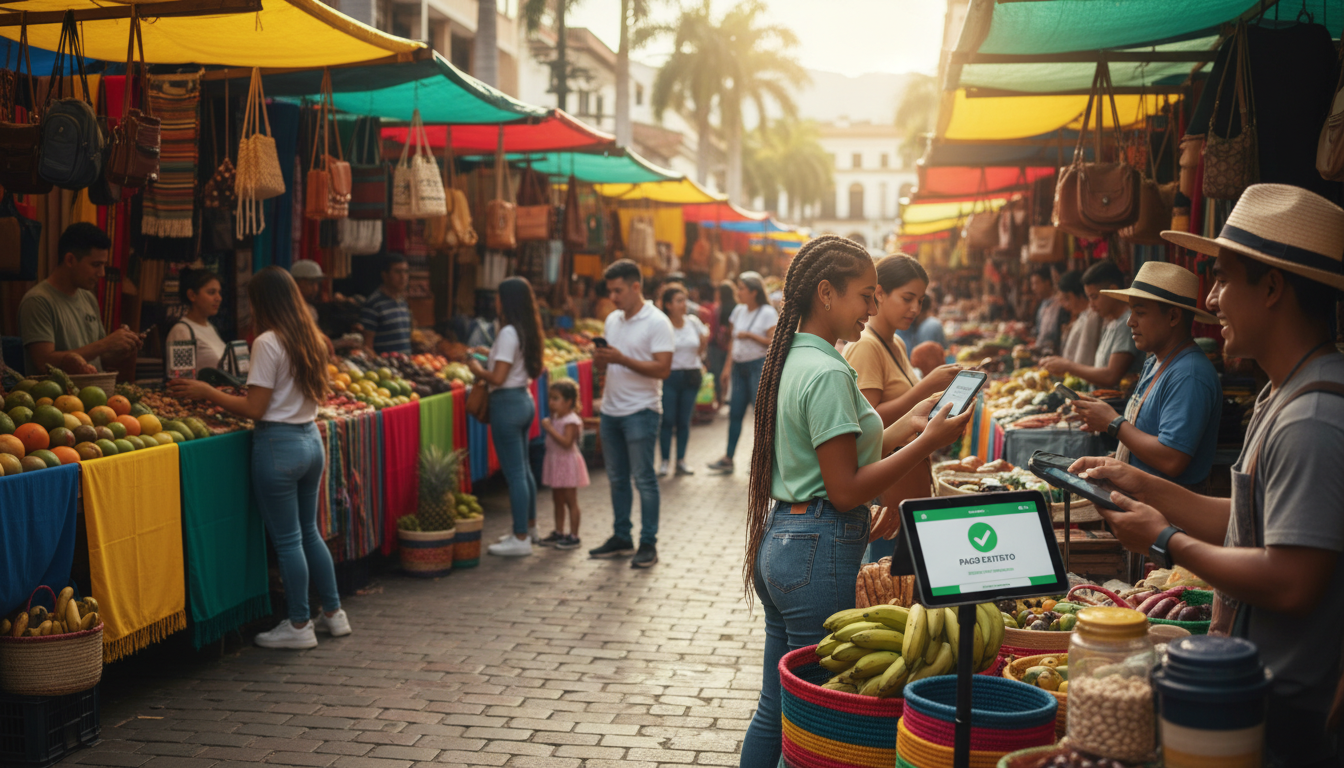
Oobit has opened its payments app to users and merchants in Colombia, positioning the launch as an operational rollout rather than a pilot. The company said the Colombia debut expands where its tap to pay experience can be used for everyday spending, alongside wallet top ups and merchant settlement. In the middle of the rollout details, Oobit framed Tether crypto payments as the rail that keeps checkout values stable in USD terms while still moving on crypto infrastructure. Today, the company is pitching simple pricing and faster authorization to compete with card fees. Live merchant onboarding is now a priority for local partners across major cities.
Impact of Tether on Colombian Economy
The Colombia launch ties demand for dollar linked stablecoins to point of sale activity, which can matter during peso volatility and cross border commerce. Oobit said it will support USDT based settlement flows where permitted, and it is aligning its messaging with compliance expectations for consumer funds and disclosures. For broader market context, CoinDesk noted bitcoin trading strength alongside policy movement in the United States, a reminder that macro sentiment can quickly shape stablecoin usage, as covered in CoinDesk market coverage. Update language from regional fintech groups has focused on transparency around fees and chargeback like processes. Today, the practical test is whether merchants see lower friction than cards without taking FX risk.
Adoption Rates for Digital Assets in Latin America
Payment players are treating Latin America as a proving ground because shoppers already use app based rails for transport, food, and bill pay. In that environment, Oobit expansion is being marketed as a way to let existing crypto holders spend without leaving funds on an exchange. The firm is also leaning into Colombia digital assets interest among freelancers and small merchants, while acknowledging compliance differences by jurisdiction. A separate Update on stablecoin market structure can be read in Stablecoins and Digital Assets Outlook for 2026, which highlights how issuance, liquidity, and regulation shape real world payments. Live monitoring for fraud patterns and disputed transactions will likely determine how quickly merchant acquirers scale this channel across the region.
Oobit’s Plans for Further Expansion
Oobit has signaled that Colombia is a staging point for additional launches, with sequencing driven by licensing readiness and local distribution partnerships. The company said it will prioritize markets where crypto adoption overlaps with strong mobile payment habits and where stablecoin liquidity is deep enough to support retail settlement. In parallel, the industry is watching security posture, as payment apps face social engineering and wallet compromise risks; recent incident analysis from Chaos Labs says oracles secure after wallet attack underscores how quickly confidence can hinge on technical assurances. Live operational metrics such as declined payments and refund handling will shape the next wave of rollouts. Update briefings to partners are expected to focus on compliance workflows, merchant support, and dispute resolution rules.
Future of Crypto Payments in Emerging Markets
The near term outlook for crypto at the checkout depends on whether stablecoin payment experiences can match card reliability while keeping costs predictable for merchants. In Colombia, Oobit is trying to normalize crypto as a spending instrument, not just a trading asset, and it is betting on consumer demand for USD linked value transfer. The larger policy backdrop remains fluid, and regulators in multiple countries are weighing how to supervise stablecoin based retail activity without stifling innovation. Live user experience will hinge on clear exchange rate displays, settlement timing, and customer support for mistaken transfers, including support workflows in Colombia. Update cycles will also be driven by how banks and acquirers respond, especially if volume grows and merchants start requesting tighter reconciliation and reporting tools.