


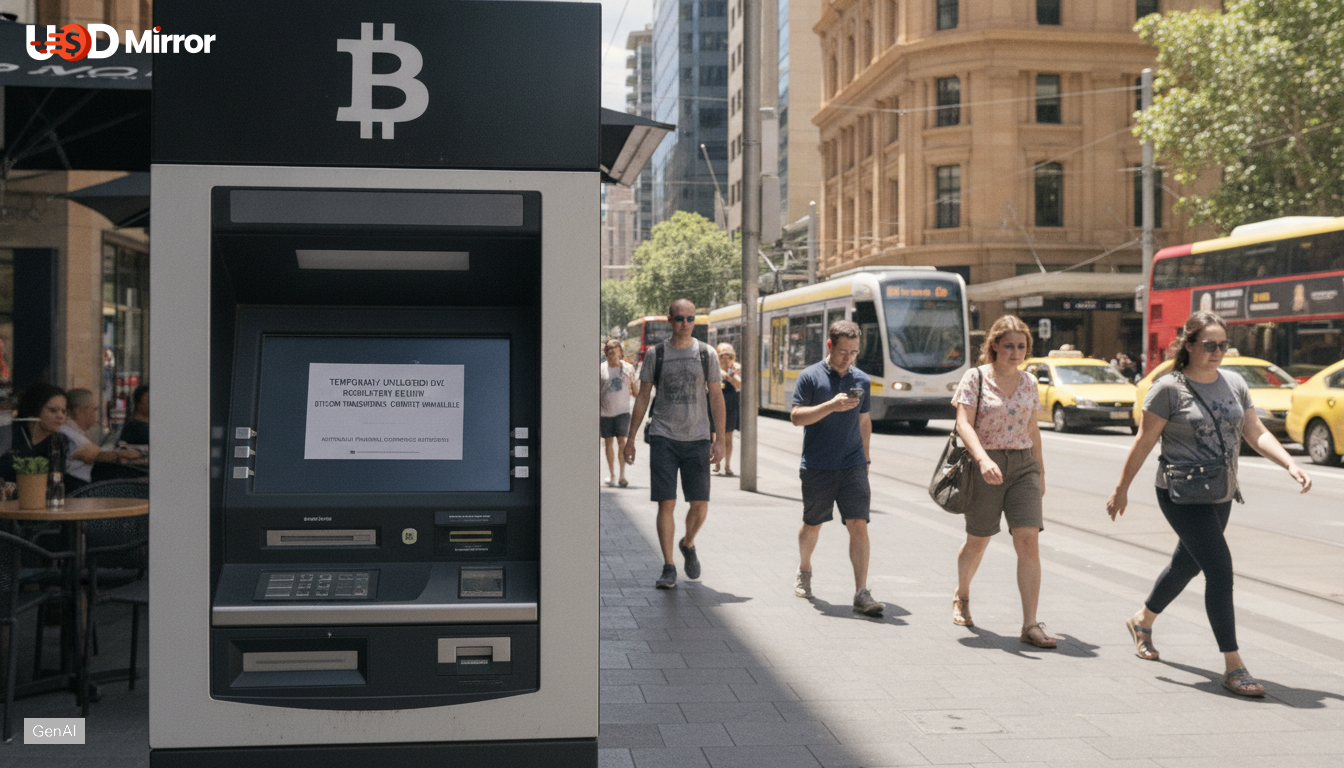
Why Australia halted Cryptolink Bitcoin ATMs
Australia’s financial crime regulator reportedly ordered Cryptolink Bitcoin ATMs to be taken offline amid compliance concerns that were described as basic reporting failures. According to available reports, the issues were linked to anti-money laundering and counter-terrorism financing expectations. The machines were switched off while the operator addresses deficiencies.
The move increases pressure across Bitcoin regulation because kiosk operators depend on consistent transaction monitoring, identity checks, and timely reports to maintain permissions. Cryptolink Bitcoin ATMs have been cited as a current example of that pressure. It also signals closer scrutiny of cash-to-crypto services that can be misused when controls are weak, especially where customers rely on quick in-person conversions.
What the shutdown means for Cryptolink customers and fees
The immediate impact is reportedly reduced access for customers who used these Bitcoin ATMs for small, fast cash conversions and a pause in fee revenue tied to each transaction. In the same compliance climate, operators are rechecking reserve and payout processes that touch USD and stablecoins, since kiosk demand can flow into those rails after purchase. A broader regulatory focus on payment infrastructure has also increased attention on risk governance, a theme discussed in Stablecoin regulation: MiCA licensing fuels EU scam alerts, and for context on policy pressure, see CLARITY Vote Puts Crypto Regulation in Senate Focus.
AUSTRAC reporting failures and compliance basics
In accounts of the regulator’s concerns, AUSTRAC’s criticism centered on reporting intended to be foundational for monitoring suspicious activity and meeting statutory obligations under Australia’s AML framework. The shortcomings were characterized as basic, suggesting they should have been caught through normal compliance checks. Cryptolink’s kiosk network drew attention because cash-to-crypto operators handle cash acceptance, identity checks, and transaction screening in one workflow, which can break down if onboarding and monitoring are not tightly controlled. Related compliance discussions are emerging across digital asset markets, including risk appetite shifts as token activity changes, covered in Real-world assets rise as DeFi activity cools down. Compliance advisers typically point to customer due diligence records, consistent threshold transaction reporting, and prompt suspicious matter reporting as core expectations.
Industry reaction and bank-style expectations for kiosks
Operators and compliance professionals have read the suspension as a warning that kiosk businesses may be judged by the same measurable controls expected of other remittance and exchange services in Australia. Based on how the action has been described publicly, regulators want practical proof of monitoring, not policy documents that cannot be demonstrated in logs and filings. Analysts also note that outages can alter how liquidity reaches retail buyers, especially where kiosks bridge cash into exchanges and then into stablecoins. Some teams are mapping how bank-style governance expectations influence crypto services, pointing to supervisory language and enforcement trends, and for a comparable example of rule tightening, see the Federal Reserve proposal on insider credit rules, which reflects similar emphasis on controls and documentation.
What happens next for Bitcoin ATMs in Australia
The next phase likely depends on whether the operator can show consistent reporting, identity verification, and transaction monitoring that holds up to onsite testing and ongoing audits by AUSTRAC in Australia. Australia’s policy direction suggests Bitcoin regulation will keep tightening for high-risk access points, and cash-to-crypto kiosks may be required to prove stronger controls at the machine level, including better customer screening and alerts for unusual behavior. Cryptolink Bitcoin ATMs are likely to remain a reference case where enforcement is triggered by operational basics rather than technical novelty. For consumers, the practical result could be fewer locations and more reliance on regulated exchanges that can demonstrate end-to-end compliance. For the industry, the lesson is that rapid growth without mature compliance systems can invite swift intervention.