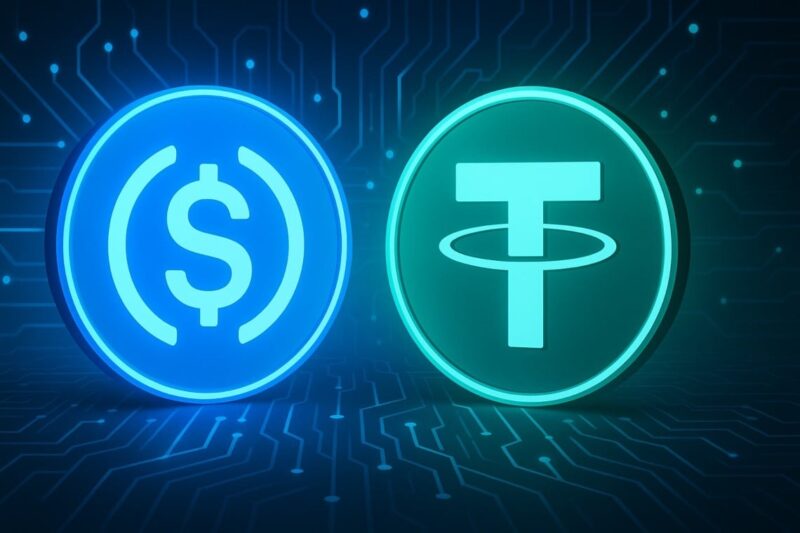


Visa survey: bank-like protections and stablecoin trust
According to Visa, consumer and merchant expectations for stablecoins are framed around trust, redemption, and clear issuer accountability. In its survey, the company said respondents might be more willing to hold or pay with stablecoins when bank-like protections resemble familiar card and deposit experiences. Visa executives suggested reserve quality, timely redemptions, and transparent oversight as conditions that could move interest into use. The survey also characterized stablecoin adoption as a payments decision rather than a trading preference, with respondents citing acceptance, dispute handling, and operational reliability as important considerations.
Why bank-like protections could lift usage at checkout
Policy discussions in Washington appear to be sharpening the debate over how far consumer safeguards should go for dollar stablecoins, according to public comments from lawmakers and regulators. Visa argued that bank-like protections could reduce perceived failure risk and make merchants more comfortable treating stablecoins as cash equivalents. Visa also pointed to operational continuity concerns if an issuer fails, including orderly redemption and clear priority for customer claims. For market context on current settlement activity, CoinDesk reported about $150 billion of stablecoins a week moving onchain in analysis of stablecoin settlement at scale. The portal page at Contact your hosting provider illustrates how abrupt access loss can be, and policymakers have said payment instruments should be resilient to that kind of disruption.
GENIUS Act and the push for consistent guardrails
Legislators and regulators are increasingly tying stablecoin growth to statutory clarity, and the GENIUS Act has become a focal point for that effort, according to ongoing public policy debate and coverage of the proposal. For related policy posture and agency coordination, see CFTC crypto regulation plan enters White House review. Market participants have discussed it as a possible pathway to more uniform rules on reserves, attestations, and redemption obligations, which could align stablecoins with expectations in traditional payments. Visa’s survey-related commentary points in a similar direction, suggesting adoption may accelerate when compliance requirements are predictable across issuers and when bank-like protections are clear to end users. Regulatory sequencing may also matter, because overlapping mandates can raise costs for issuers and intermediaries that connect stablecoins to card, ACH, and wire systems.
How US rules compare with global stablecoin approaches
US officials have said they are watching how overseas frameworks treat stablecoins as payment instruments rather than speculative tokens, especially where licensing and reserve rules are explicit. European efforts have leaned toward harmonized supervision and clearer settlement finality rules for tokenized money and assets, according to EU policymaker and central-bank communications and reporting on those initiatives. For a related Europe-focused view on infrastructure, see Pontes: ECB Advances Tokenized Asset Settlement. That global backdrop can shape what US lawmakers view as workable, including enforceable redemption rights and transparent reserve reporting that functions like bank-like protections for users. In that context, ripple stablecoin xrp adoption is often discussed by industry analysts as a test of whether widely used networks can support regulated issuance without fragmenting liquidity.
What stronger protections could mean for digital finance
If lawmakers adopt guardrails that mirror regulated finance, stablecoins could become more common in corporate treasury, remittances, and merchant settlement workflows, though the pace would depend on final rules and implementation. Issuers would likely face tighter requirements on reserve composition, custody arrangements, and the cadence and quality of public attestations, depending on what regulators ultimately require. Visa’s survey framing suggests bank-like protections, not hype, are what may convert curiosity into durable usage. For market structure, clearer rules could also speed integration with tokenized securities and onchain cash management, where settlement speed and auditability are key. The NYSE and other venues have signaled interest in how tokenization connects to mainstream rails, and NYSE Tokenized Securities Platform: What It Means outlines why regulated cash equivalents are central to delivery versus payment.