Data releases double as memes and trade triggers for Gen Z.
From Dry Numbers to Prime Time
The Consumer Price Index used to be the kind of economic statistic only economists and bond desks cared about. In 2025, CPI days have transformed into cultural rituals. Each monthly release is a global event where crypto traders, especially Gen Z, gather online to watch, meme, and trade the data in real time. The shift shows how inflation, once an abstract concept, now directly shapes both financial markets and digital culture.
Why CPI Matters for Crypto
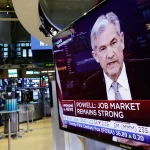
Inflation data is central to the Federal Reserve’s decisions on interest rates. Hotter-than-expected CPI readings push policymakers toward tighter conditions, draining liquidity and hurting risk assets like crypto. Softer readings do the opposite, sparking rallies as traders anticipate easing. For a market fueled by liquidity, CPI has become a direct trigger. Every decimal matters, and crypto responds with volatility unmatched in traditional assets.
The Watch Party Phenomenon
On CPI mornings, TikTok and YouTube livestreams attract audiences in the millions. Creators build countdowns to the release, Discord servers open live voice chats, and meme templates circulate in advance. At exactly 8:30 a.m. Eastern Time, screens flash the numbers, and within seconds, memes flood timelines. Inflation upside surprises generate “Powell hawk” edits, while softer readings bring rocket emojis and “money printer” GIFs. The ritual is as much cultural entertainment as it is market analysis.
AI Dashboards Add Fuel
AI dashboards translate CPI numbers into instant trade signals. Push notifications labeled “CPI miss, bearish BTC” or “CPI soft, bullish ETH” hit phones within seconds. Retail traders often screenshot these alerts and turn them into meme content, blending serious analysis with humor. The overlap between AI interpretation and meme virality ensures that CPI days have both precision and mass appeal.
Retail Traders and Emotional Highs
For Gen Z traders, CPI days are adrenaline-fueled experiences. Some describe them as financial esports, where the scoreboard is inflation and the prizes are rapid gains. Others admit to the emotional rollercoaster of being whipsawed by volatility. Social platforms become therapy sessions as much as trading hubs, with memes softening the sting of losses. The emotional intensity cements CPI days as shared experiences, reinforcing their status as cultural rituals.
Whales Exploit the Frenzy
Whales treat CPI days as predictable volatility events. On-chain data shows large wallets positioning in derivatives markets days in advance, setting up to profit regardless of the outcome. Once the numbers hit, they often fade retail-driven moves, selling into rallies or buying dips created by panic. For whales, CPI days are opportunities. For retail, they are gambles dressed up as entertainment. The asymmetry reflects how different players approach the same event.
Global Reach of Inflation Rituals
CPI culture is not confined to the United States. In Asia, traders tune in late at night, while in Europe, it becomes a midday spectacle. Memes are remixed across languages, creating a global financial meme culture. Even traders with no direct stake in U.S. inflation follow the ritual for entertainment and cultural participation. The universality of CPI days reflects how deeply inflation has entered the global imagination in the digital age.
Risks of Oversimplification
While cultural rituals make economics accessible, they also carry risks. Retail traders often reduce complex inflation dynamics to a binary “pump or dump” framework. Analysts caution that focusing only on headline numbers can be misleading, as core inflation, wages, and housing data carry equal weight. Yet in meme-driven culture, nuance is often lost. This simplification fuels volatility and reinforces herd behavior.
Conclusion
CPI days in 2025 are more than the data releases. They are cultural rituals blending memes, AI dashboards, retail enthusiasm, and whale strategy. Inflation has moved from academic textbooks to TikTok streams, shaping both sentiment and strategy. For Gen Z, the ritual is part entertainment and part education, a shared moment that fuses financial literacy with cultural identity. For markets, it is a reminder that macro data not only drives liquidity but also defines the rhythm of crypto culture.
Author: Sophia Malik | International Finance Writer
Email: sophia@cheenews.com