Bitcoin and stablecoins repositioned as hedges during conflicts.
Global Tensions Reshape Markets
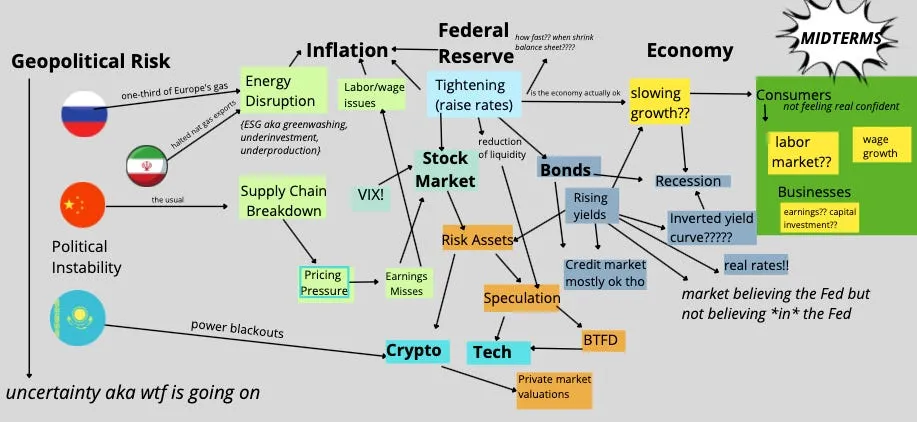
In 2025, geopolitical risks are once again dominating headlines. From conflict flare-ups in Eastern Europe to trade disputes in Asia and political uncertainty in Latin America, global markets are increasingly volatile. Traditionally, investors would seek safety in gold or U.S. Treasuries during such turmoil. Now, crypto is entering the conversation as a potential hedge. Bitcoin and stablecoins are being reframed as safe-haven assets, a narrative shift that highlights both their strengths and their vulnerabilities.
Bitcoin as Digital Gold
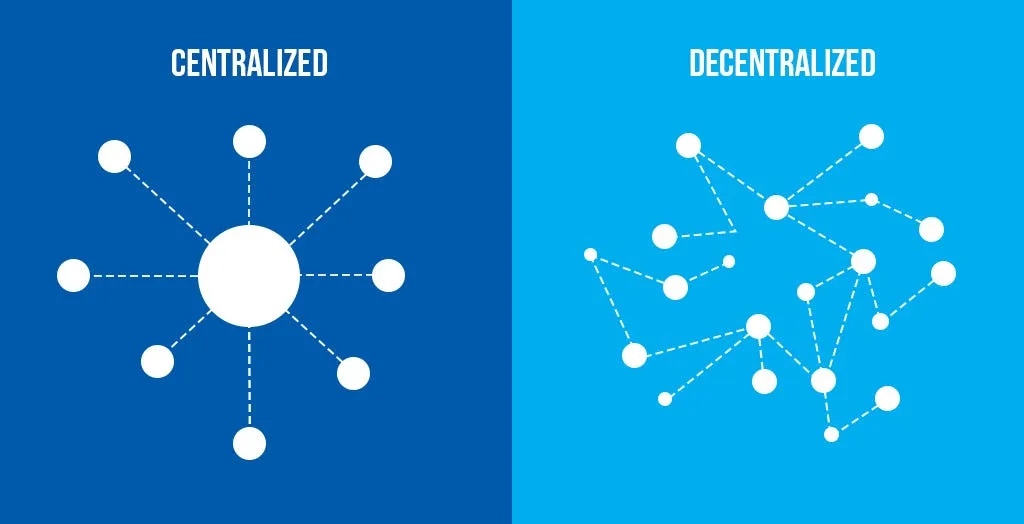
Bitcoin’s long-standing narrative as “digital gold” is resurfacing with intensity. Each time geopolitical tensions escalate, analysts point to Bitcoin’s scarcity and decentralized nature as features that make it resilient to political shocks. On-chain data shows a spike in wallet activity from regions affected by instability, suggesting that individuals are moving into Bitcoin as a way to safeguard wealth. While price action remains volatile, the perception of Bitcoin as a geopolitical hedge is gaining traction.
Stablecoins as Crisis Tools
Stablecoins are also playing a critical role. In regions facing currency depreciation or capital controls, dollar-pegged tokens have become lifelines. Traders and everyday users alike rely on them to preserve purchasing power and facilitate cross-border transactions. During recent conflicts, stablecoin transfers surged across borders, showing their utility in real-world crisis scenarios. This utility strengthens their reputation as safe-haven assets, even as regulators express concern about systemic risks.
Retail Traders Embrace the Narrative
For Gen Z traders, geopolitical tensions have become part of meme culture. On TikTok, videos portray Bitcoin as a superhero swooping in when traditional finance falters. Memes show stablecoins as “digital lifeboats” during storms. While the humor oversimplifies complex realities, it also spreads awareness and reinforces the perception that crypto has safe-haven qualities. The cultural framing ensures that younger audiences internalize these narratives even before they study traditional hedges like gold.
Whales and Institutions Position Early
Whales are taking advantage of the safe-haven narrative by positioning ahead of retail. On-chain trackers reveal large inflows into Bitcoin and stablecoins before geopolitical headlines dominate the mainstream. Institutions, too, are testing allocations, particularly through custody services that allow exposure without operational risks. Their early moves often magnify the perception that crypto is a legitimate hedge, even when the market mechanics remain less stable than gold or Treasuries.
AI Dashboards Spread Alerts Globally
AI dashboards are critical in amplifying these shifts. Push notifications highlight surges in crypto inflows from conflict zones, turning regional stories into global headlines within minutes. Screenshots of these alerts often go viral, blending machine-driven analysis with meme culture. The speed at which these signals circulate ensures that crypto’s role as a safe-haven narrative is not only financial but also cultural, shaping perceptions far beyond trading desks.
Risks Behind the Narrative
Despite the momentum, analysts warn of risks. Unlike gold or government bonds, Bitcoin remains highly volatile. Its value can drop sharply even during crises, undermining its reliability as a true hedge. Stablecoins carry their own vulnerabilities, including regulatory risks and reliance on dollar reserves. Critics argue that positioning crypto as a haven could backfire if sudden market shocks expose these weaknesses. Retail traders, particularly those guided by memes, may face painful lessons if they assume safety where none exists.
Global Implications
The growing safe-haven narrative could reshape how crypto interacts with traditional finance. If more investors treat Bitcoin and stablecoins as crisis hedges, demand may become increasingly tied to geopolitical cycles. This integration could boost adoption but also expose crypto to new forms of volatility driven by political events. Policymakers are already watching closely, debating whether safe-haven positioning makes regulation more urgent.
Conclusion
Geopolitical tensions in 2025 are pushing Bitcoin and stablecoins into safe-haven territory, both in financial markets and in cultural narratives. Retail traders frame them as superheroes and lifeboats, whales and institutions position early, and AI dashboards spread the story globally. Yet the risks remain real. Volatility, regulatory pressure, and systemic vulnerabilities mean that crypto’s safe-haven status is more perception than reality. Still, the shift reflects a powerful cultural and financial trend, showing how global instability can reshape the role of digital assets in unexpected ways.
Author: Jonathan Reyes | Macro & Geopolitics Editor
Email: jonathan@cheenews.com