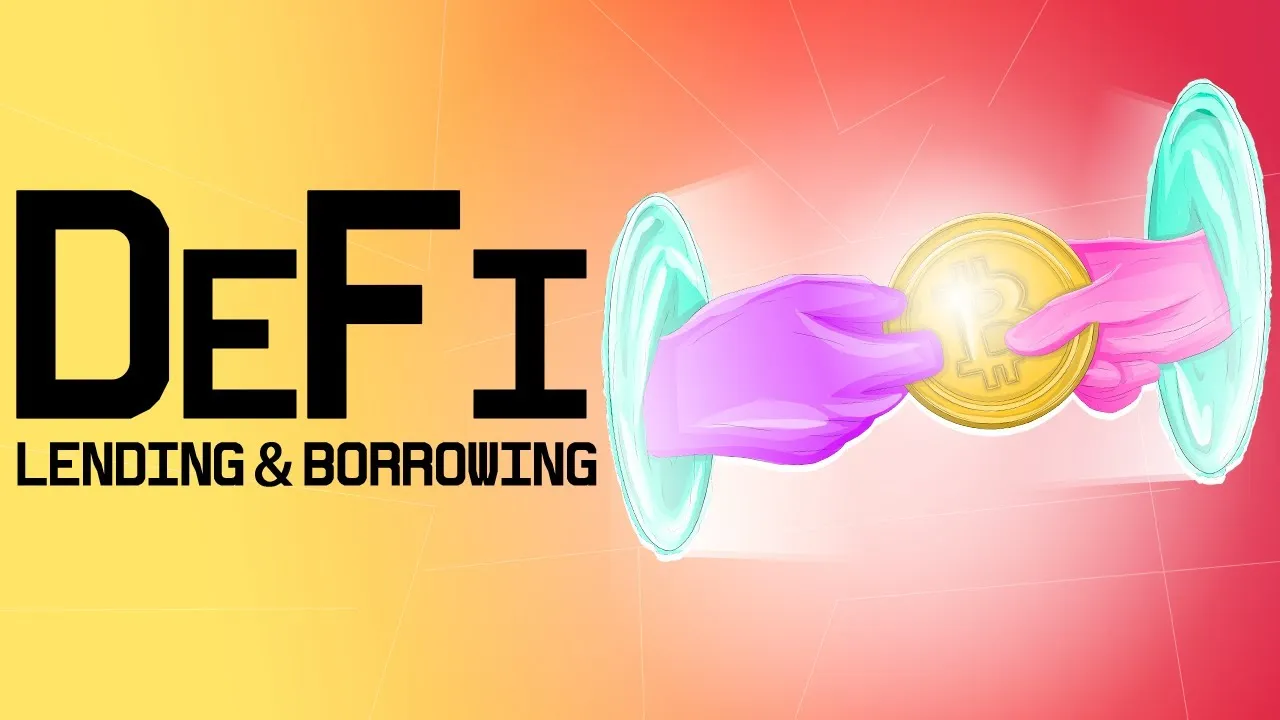
Borrower failures reveal fragility in undercollateralized markets.
Cracks in the System
Decentralized finance promised a future of open, permissionless lending where borrowers and lenders could connect without intermediaries. In 2025, that promise is being tested as defaults climb across several lending platforms. Rising borrower failures are exposing weaknesses in undercollateralized and experimental loan structures, raising concerns that DeFi’s growth has outpaced its resilience.
Rising Defaults in DeFi
On-chain data shows a steady increase in defaults across undercollateralized lending markets. Platforms that once promoted themselves as democratizing access to credit are now facing liquidity shortfalls as borrowers fail to repay. Traditional overcollateralized lending, where users deposit more collateral than they borrow, remains relatively stable. But experimental models offering loans against reputation scores, real-world assets, or future income streams are under pressure.
Retail Borrowers Struggle
Retail traders, especially in emerging markets, are among the hardest hit. Many borrowed stablecoins to fund trading positions or cover real-world expenses, only to face difficulties repaying when token prices fell or local currencies weakened. On TikTok and Discord, stories of small borrowers losing collateral circulate widely. Memes compare DeFi loans to “crypto payday lending,” reflecting cultural frustration with models that appeared empowering but turned risky in practice.
Whales and Institutions React Differently
Whales and institutions have generally avoided the worst losses by sticking to overcollateralized structures or hedging exposures. Some whales are even profiting from liquidations, buying discounted collateral from failing loans. Institutions that experimented with DeFi lending are scaling back, citing concerns about credit risk management. Their retreat underscores the fragility of protocols dependent on retail participation for growth.
AI Dashboards Flag Growing Risks
AI dashboards are amplifying awareness of the crisis. Push notifications flag rising delinquency rates, shrinking liquidity pools, and abnormal collateral liquidations. Screenshots of these alerts circulate across social media, reinforcing the perception that DeFi lending is under stress. For retail traders, the alerts often arrive too late to prevent losses, but they play an important role in spreading the narrative of fragility.
Governance Debates Intensify
Within DeFi communities, governance forums are debating how to stabilize lending protocols. Proposals include raising collateral requirements, increasing interest rates, and introducing stricter borrower verification. Some projects are exploring partnerships with traditional credit scoring firms to improve underwriting. However, these changes risk undermining the core principle of permissionless access, sparking cultural and ideological debates about whether DeFi is drifting toward centralization.
Cultural Narratives Around Risk
Gen Z traders are reframing DeFi lending in cultural terms. Memes show borrowers drowning in collateral liquidation notices, while others depict whales as sharks feeding on retail defaults. These cultural narratives influence participation, with many retail users abandoning risky lending markets in favor of simpler yield farming or staking opportunities. The shift reflects how culture and sentiment are just as important as financial mechanics in shaping DeFi’s trajectory.
Global Implications
The stress in DeFi lending has implications far beyond individual protocols. Defaults erode confidence across the entire ecosystem, discouraging new entrants and slowing adoption. Policymakers are watching closely, with some regulators framing the defaults as evidence that DeFi needs stricter oversight. If failures continue, the sector could face tighter rules that fundamentally reshape its future.
Conclusion
DeFi lending is facing its toughest test yet in 2025. Defaults are climbing, undercollateralized models are breaking down, and retail borrowers are bearing the brunt of the pain. Whales and institutions are adjusting strategies, AI dashboards are amplifying awareness, and governance forums are scrambling for solutions. The outcome will determine whether DeFi lending matures into a sustainable alternative to traditional finance or remains vulnerable to cycles of boom and bust. For now, the cracks in the system are too large to ignore.