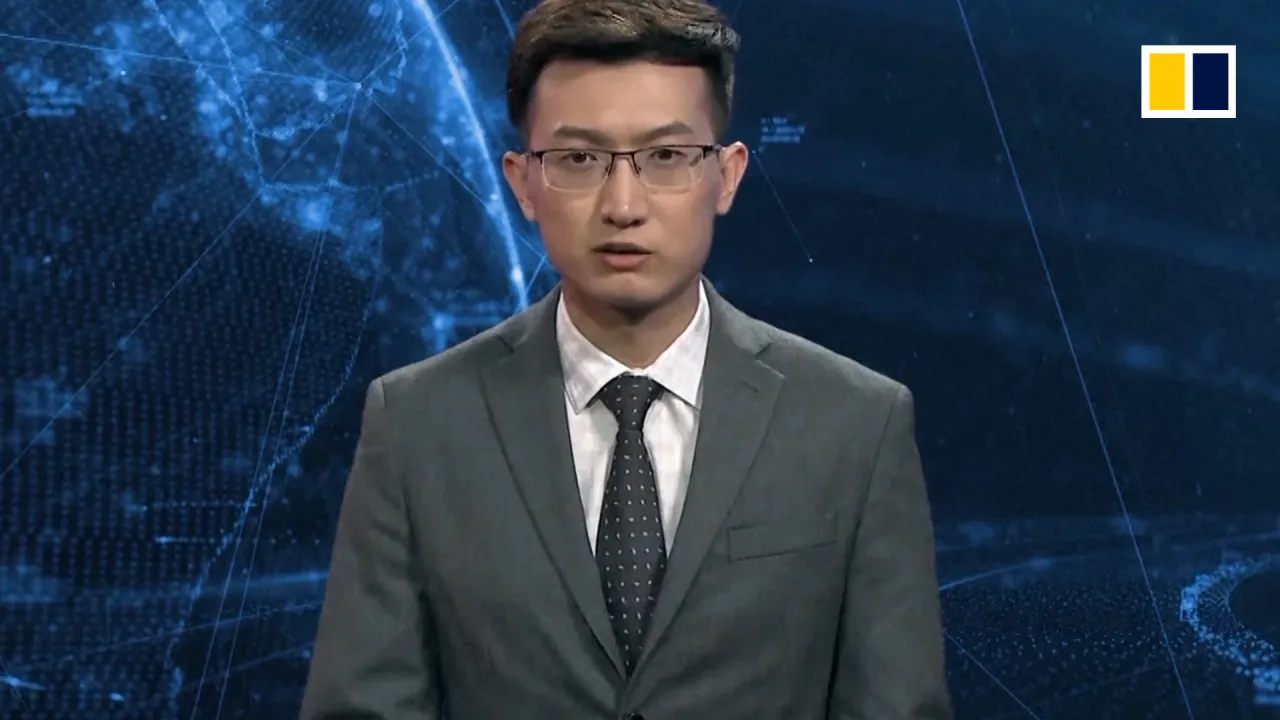
Synthetic presenters dominate Gen Z media consumption.
A New Era of News Broadcasting
In 2025, AI anchors are becoming the face of 24/7 crypto news streams, delivering updates around the clock without fatigue or bias. These synthetic presenters read headlines, analyze charts, and even interact with live audiences, creating a seamless experience that appeals to the always-on culture of digital markets. For Gen Z, raised in an era of automation, AI anchors are not just acceptable but desirable.
Why AI Anchors Are Rising
Traditional newsrooms struggle to keep pace with the rapid speed of crypto markets. AI anchors solve this problem by generating real-time scripts from data feeds, social media trends, and blockchain analytics. They deliver updates instantly, without the delays of human editing or scheduling. For audiences, this creates an impression of continuous relevance, with no gaps in coverage.
Retail Audiences Respond Enthusiastically
Retail traders are at the heart of this shift. On TikTok and YouTube, influencers highlight AI anchors as “news you can trust to never sleep.” Memes portray them as tireless bots replacing exhausted journalists. For Gen Z, the cultural appeal lies in novelty and reliability, turning crypto news into entertainment as well as information. This blending of content and culture cements AI anchors as a staple of digital media.
Whales and Platforms Drive Adoption
Whales are funding the rise of AI anchors by investing in streaming platforms that feature synthetic presenters. Their support ensures infrastructure stability, global reach, and liquidity for tokenized ad models tied to these broadcasts. Some whales even sponsor specific AI anchors, branding them as cultural mascots for particular ecosystems. Their involvement elevates AI-driven news from niche projects to influential platforms.
AI Dashboards Enhance Engagement
AI dashboards play a major role in making these streams interactive. Push notifications alert users to trending news, while real-time analytics guide anchor scripts. For example, dashboards might flag “Ethereum whale activity spikes 20 percent” or “global sentiment turns bearish on Bitcoin.” Screenshots of these updates spread across Discord and Twitter, reinforcing AI anchors as central figures in crypto culture.
Institutions Experiment with Partnerships
Institutions are cautiously entering partnerships with AI-driven news outlets. Exchanges sponsor streams to reach wider audiences, while fintech firms experiment with embedding AI anchors into apps for instant updates. Some banks explore co-branded AI presenters to educate customers about digital assets. These collaborations signal that AI anchors are becoming part of mainstream financial communication.
Regulators Watch Closely
Regulators are beginning to examine the role of AI anchors in shaping public opinion. Concerns include misinformation, accountability for errors, and the possibility of manipulation through biased programming. Some governments propose guidelines requiring transparency about AI-generated content. While oversight is still evolving, the scrutiny highlights how central these tools have become to financial information flows.
Cultural Narratives of Trust and Skepticism
Culturally, AI anchors generate both excitement and skepticism. Memes portray them as tireless guardians of market truth, while critics warn of “synthetic propaganda.” Influencers debate whether AI anchors enhance transparency or create new risks of manipulation. For Gen Z, however, the cultural framing leans toward acceptance, with AI presenters fitting naturally into their digital-first media diets.
Risks That Remain
Despite enthusiasm, risks persist. AI anchors can misinterpret data, spreading inaccuracies at scale. Technical glitches may disrupt broadcasts, and reliance on synthetic presenters could reduce opportunities for human journalists. Analysts caution that human oversight remains critical to maintaining credibility and accountability in AI-driven news.
Conclusion
AI anchors hosting 24/7 crypto news streams in 2025 represent a major shift in financial media. Retail audiences embrace them as cultural icons, whales fund their rise, AI dashboards amplify interactivity, and institutions experiment with partnerships. Regulators debate oversight, while cultural narratives frame them as both trusted and controversial. Risks remain, but the trajectory is clear. Synthetic presenters are no longer novelties. They are the voices of a new era in financial communication, reshaping how global audiences consume crypto news.