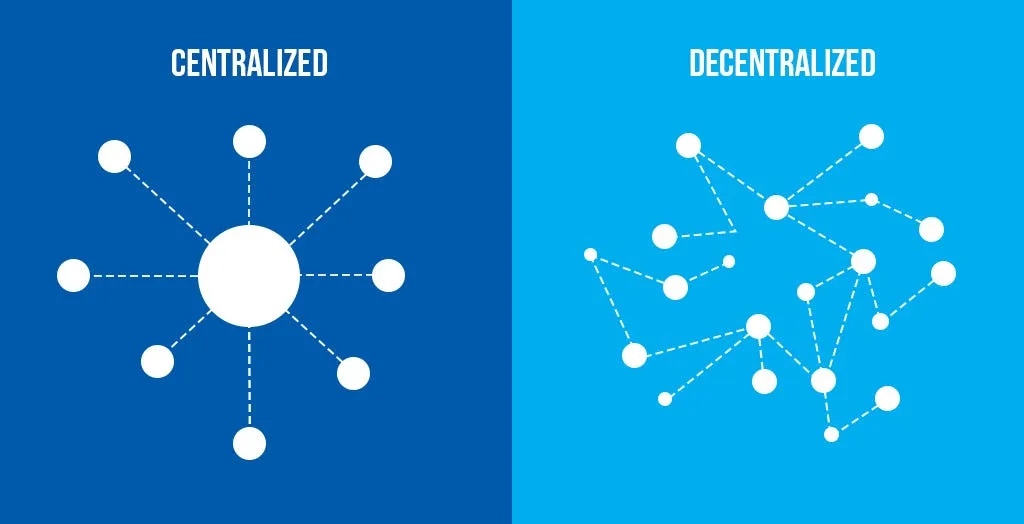
Yield-bearing stablecoins rival traditional bank deposits.
A Shift in Personal Finance
In 2025, retail investors are increasingly turning to crypto savings accounts, where stablecoins generate yields that rival or exceed traditional bank deposits. By locking assets into decentralized finance platforms or exchange-based products, everyday savers are earning interest in real time. This shift reflects growing dissatisfaction with conventional banks and a cultural embrace of blockchain as the foundation of modern financial tools.
Why Crypto Savings Accounts Appeal
Traditional savings accounts offer minimal interest rates, often below inflation, leaving savers frustrated. Crypto savings accounts provide higher yields by channeling funds into lending pools, staking mechanisms, or liquidity protocols. Smart contracts automate payouts, ensuring transparency and efficiency. For retail investors, the combination of higher returns and real-time visibility makes crypto savings an attractive alternative to stagnant bank accounts.
Retail Communities Drive Adoption
Retail adoption is exploding across generations, but is especially strong among Gen Z and Millennials. On TikTok and Instagram, influencers post tutorials showing how to deposit stablecoins and earn passive income. Memes describe crypto savings as “banks that actually pay you,” reinforcing the narrative of empowerment. For everyday users, the appeal lies not only in returns but in control over personal finance without relying on intermediaries.
Whales Add Liquidity to Pools
Whales are also fueling growth in crypto savings by injecting liquidity into large pools. Their participation stabilizes returns and attracts institutions seeking reliable yields. Some whales partner with platforms to create customized savings products, offering enhanced security and premium interest rates. Their involvement validates the model and provides confidence for retail users wary of risks.
AI Dashboards Showcase Earnings
AI dashboards are essential for tracking performance. Push notifications announce milestones like “average savings account yield reaches 6 percent” or “$20 billion in stablecoins locked across savings platforms.” Screenshots of these dashboards circulate widely on Discord and Telegram, turning financial updates into cultural content. For retail users, dashboards reinforce the sense of progress and legitimacy in the savings model.
Institutions Experiment with Integration
Institutions are cautiously entering the crypto savings space. Fintech firms bundle stablecoin accounts with mobile apps, while neobanks explore hybrid models combining fiat and tokenized deposits. Some employers are piloting payroll programs where salaries are partially paid into crypto savings accounts. Institutional adoption signals that these accounts are moving from niche to mainstream.
Regulators Debate Oversight
Regulators are beginning to focus on consumer protection in crypto savings products. Key issues include reserve transparency, risk disclosures, and classification as securities or deposits. Some jurisdictions encourage innovation with sandboxes, while others warn against unlicensed offerings. Analysts note that regulatory clarity will be decisive in determining whether crypto savings accounts achieve global recognition.
Cultural Narratives of Empowerment
Culturally, crypto savings accounts are framed as liberation from stagnant banking. Memes depict banks as outdated vaults while crypto platforms appear as sleek digital engines generating wealth. Influencers emphasize stories of ordinary people achieving financial milestones through savings yields, aligning with Gen Z’s values of independence and fairness. For many, saving money is no longer passive but participatory.
Risks That Remain
Despite excitement, risks persist. Platform hacks, smart contract bugs, and unstable tokenomics can threaten returns. Volatility in yields may disappoint savers accustomed to predictable bank rates. Analysts caution that while yields are attractive, education and diversification are critical to managing risks effectively.
Conclusion
Crypto savings accounts in 2025 are reshaping personal finance by offering yield-bearing stablecoins that rival traditional bank deposits. Retail investors drive adoption, whales inject liquidity, AI dashboards amplify visibility, and institutions experiment with integration. Regulators debate oversight, while cultural narratives celebrate empowerment. Risks remain, but the trajectory is clear. Saving money is no longer just about storing cash in banks. It is about participating in decentralized systems that reward engagement and trust.